
Through peace education we can develop our peace power that enables us to make the world a more peaceful place. For this purpose I, Nina Koevoets, offer workshops and training courses, both in person and online. I’ve also written a Study Guide and two books.
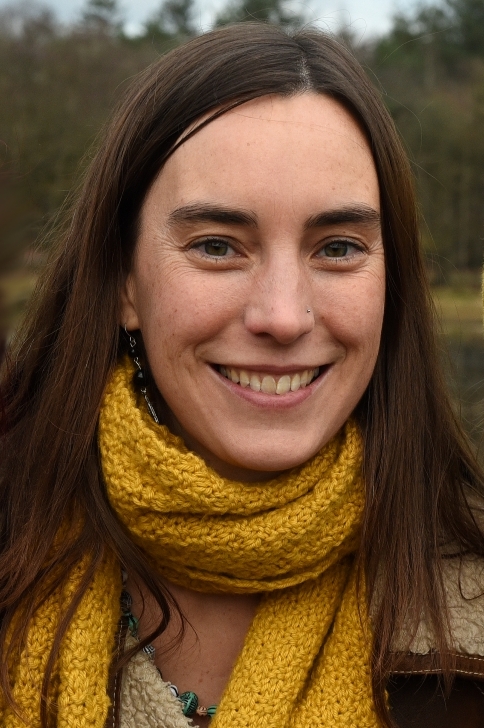 “When the power of love will overcome the love of power, the world will know peace.” – Jimmy Hendrix.
We can develop Peace Power by practicing the skills needed for a more peaceful and nonviolent world and gaining knowledge and insight, to provide alternatives to violence and resolve conflicts nonviolently. By changing our way of thinking and acting we build the collective Peace Power to create a world where life flourishes.
Here you can download the flyer of Peace Power’s mission, vision and projects.
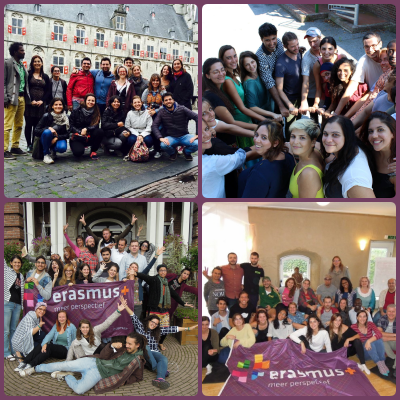
Training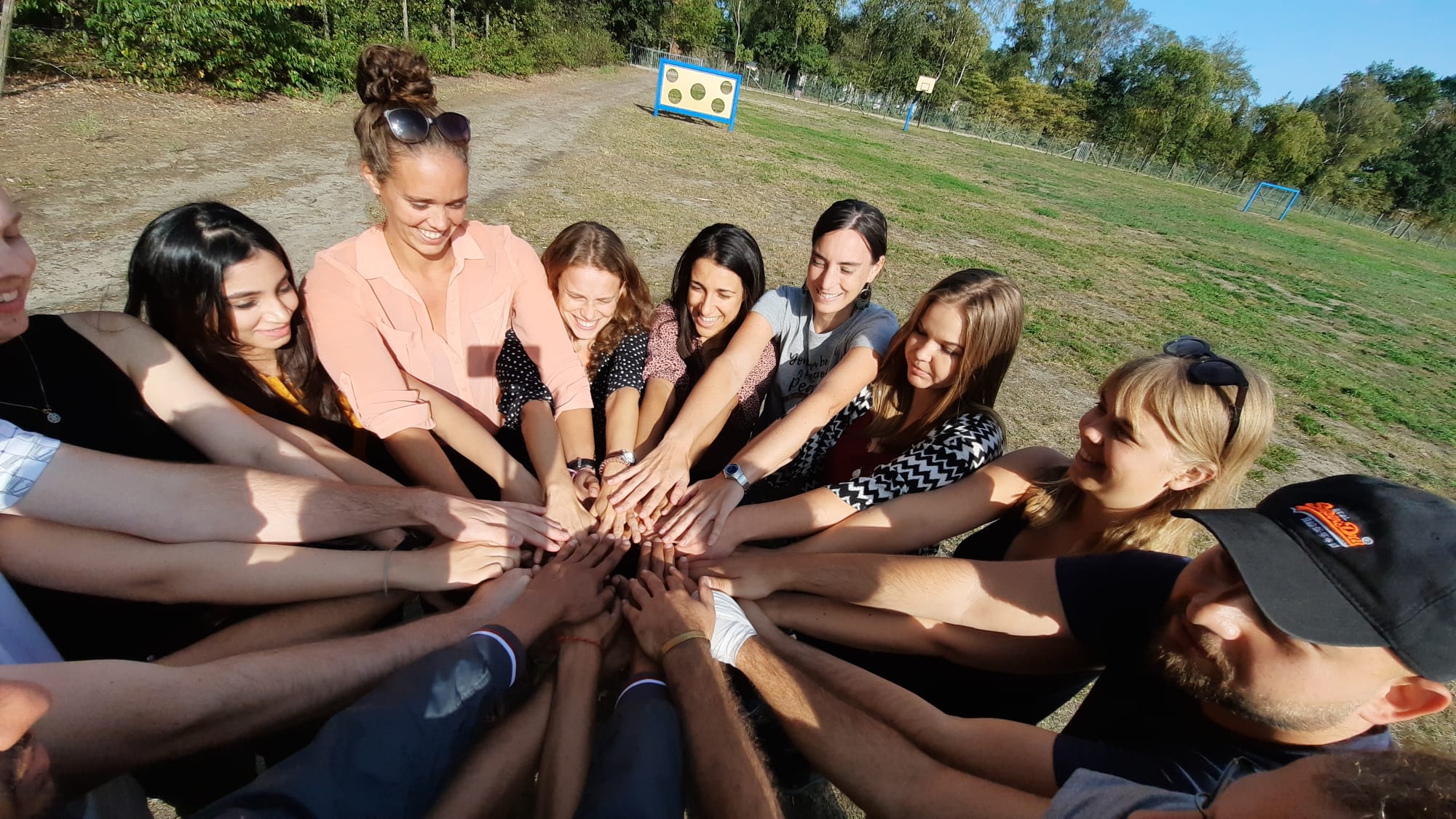 Since 2015 several trainings were implemented with the support of a Dutch NGO, “Foundation for Active Nonviolence” (SVAG), that has been active since 1966 (for a quick overview of the Dutch NGO dowload the PDF) and with the finance from the “Erasmus+” fund of the European Commission for youth education in Europe. In general a trainingin course is an intense introduction that gives a great start to become a Peace Builder. The ‘power’ of these trainings is that they both explore violence (the problems) and nonviolence (creative solutions). Generally each training has three elements: 1. Increasing awareness of conflict and violence, 2. practicing conflict navigation and 3. developing future plans and networking for a peaceful world.
Have a look under “Erasmus+ trainings” in the menu for more information on the previous training courses, each of them different from each other.
Workshops
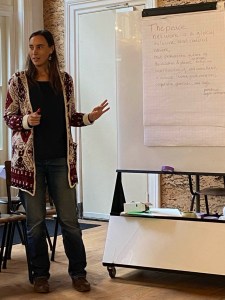 I offer single workshops, lasting at least 3 hours. In these workshops I tap from the longer training program. They can be customized to the needs of the group. For example, one group may want to focus on Conflict Resolution Strategies, while another group may want to start a campaign. For example, at the Global Eco-village Conference in July 2017 we focused on community-building, while also introducing a few “classic” tools like the Two Hands of Nonviolence. For NGOs working with refugees in Greece, I focused on dealing with conflict and stress. In November and December 2019 there were four workshops in Thessaloniki, each focusing on a differen dimension of peace power. Download the one page description of Peace Power workshops. In addition, since 2022 one can do a play session of the Peace Please game.
Webinars
Check-out several webinar series that I did, such as those with Rivera Sun, an author and activist from the USA (2017), or a mini-series of four (2018), or one for the Rise Ubuntu Network (2020). Check out the opportunities for online courses as well.
 Study Guide
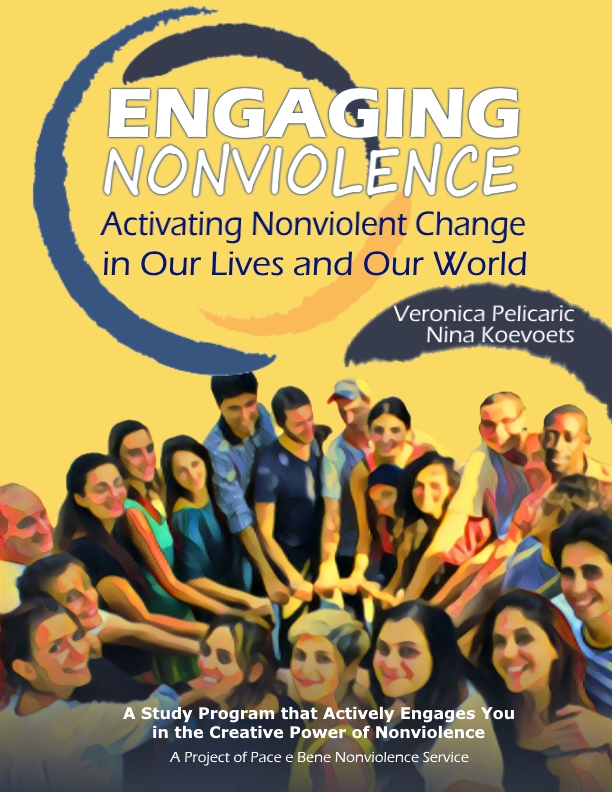
The Engaging Nonviolence Study Program is a fifteen-part study and action guide offering participants a wide variety of principles, stories, exercises, and readings for learning, practicing, and experimenting with the power of creative nonviolence for personal and social transformation. Engaging Nonviolence: Activating Nonviolent Change in Our Lives and Our World, is published by Pace e Bene Press, (October 2019). It has three parts: 1. Exploring Nonviolent Power, 2. Nonviolence in Practice, 3. Planning and Strategy. Read more on the designated page and watch the video below.
Moreover, I’m telling a lot about the book and my work in this radio interview, an episode of “Solutions to violence”.
Books
I’ve written two books:
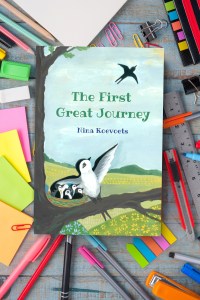 The First Great Journey is a children’s book about four birds that learn how to solve a conflict together. Two brothers and two sisters learn to fly, but one of them is a little slow. The fastest of the four gets angry at him and hurts him, but in order to arrive to the South, the whole flock needs to stick together and cooperate. How do they overcome their differences? This book is available in Dutch, De Eerste Grote Reis, and also in Italian, through the Gandhi Center.
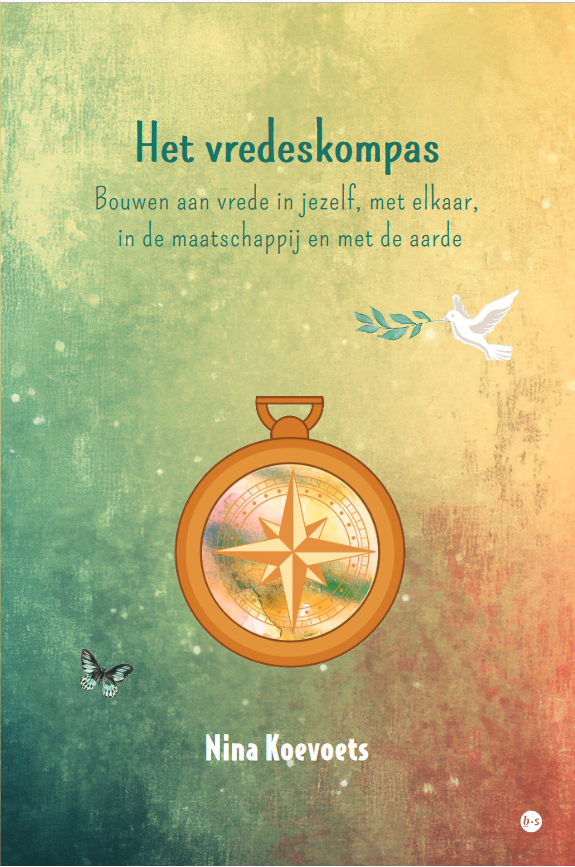 The Peace Compass (in Dutch Het vredeskompas) is a book that explains the four directions needed to build peace: the personal, interpersonal, societal-cultural and planetary. Because many people understand peace as the absence of war, we lack answers to what it means to build peace. This book lays out the many components that can guide us towards a more peaceful world.
How is peace possible? And how could it be achieved?
Of course one can write a whole book about this complex question. But what is not so complex is that enormous amounts of money are invested in war, while less than 1% of military spending is invested in peacebuilding (according to the Economic Forum). Moreover, when we think of peace we think of “ease and calm”, while it will need our active involvement to build peace. Skills to build a peaceful world can be gained through training and practice, so that’s why Peace Power focuses on that.
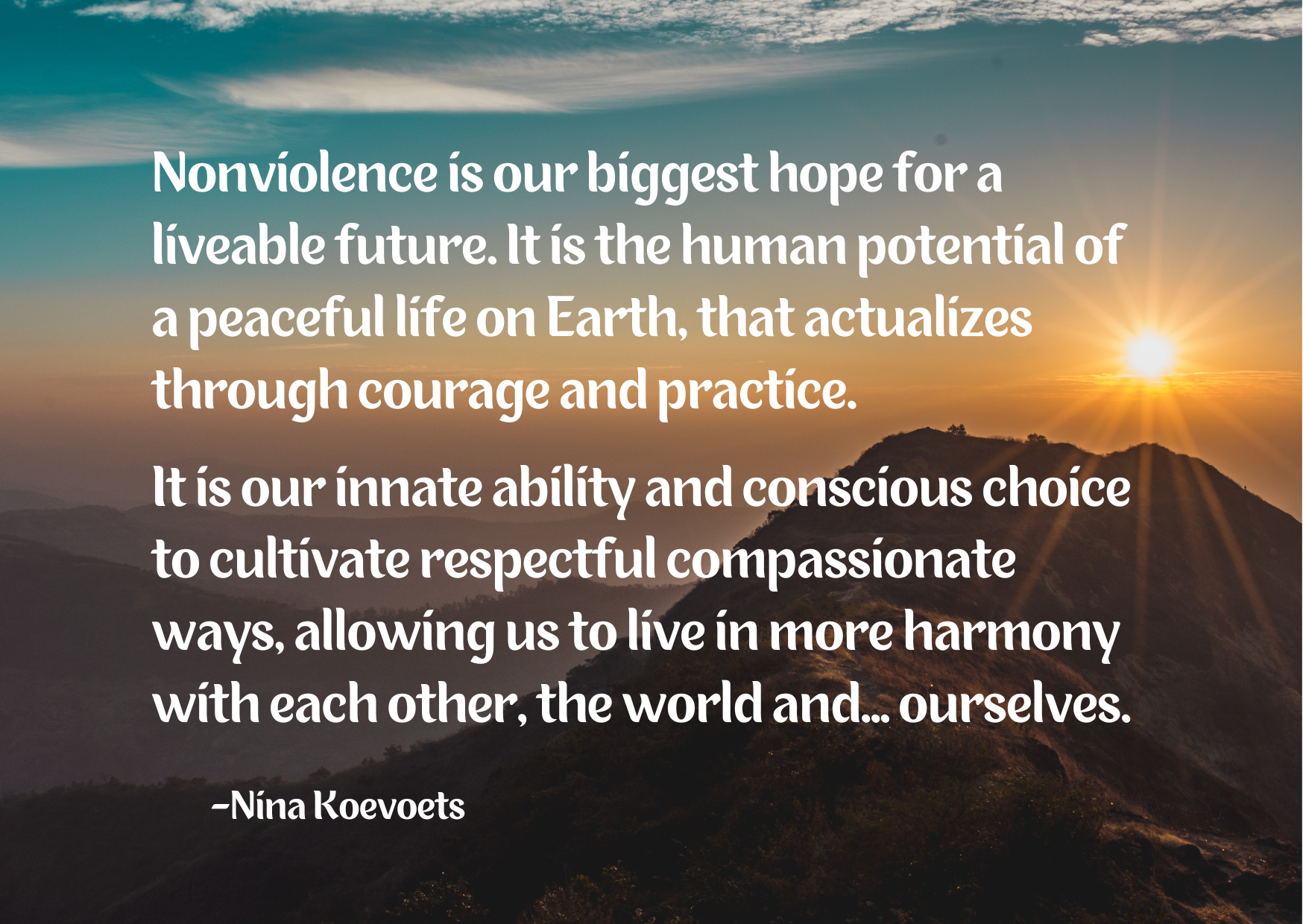
If you participate in a training you’ll learn that Peace Power can be applied on a personal, interpersonal and cultural-societal level. You’ll get some tools to develop “peace of mind”, peaceful relations and build a culture of peace (see image – 8 areas of a culture of peace, as defined by the UN). You’ll also become more aware of the normalisation of violence: how it’s presented as ‘necessary’ and that it’s so embedded in our every-day-lives that everyone experiences different forms of violence (from physical violence, to violence inside social structures and violence in our culture -habits, stories, norms and values.) A new world will open for you, one where you can join people that are working on increasing their emotional awareness and empathy, striving for more equity and engaging in solidarity.
To make the cultural shift, to a culture or peace, we’ve to recognise that we inter-are, as the monk Thich Nath Hahn put it. Western culture admires independence and individuality, and contrast this with dependence and collectivism. The truth is that we are inter-dependent, with each other and our environment. ML King said: “Whatever affects one directly, affects all indirectly. I can never be what I ought to be until you are what you ought to be. This is the interrelated structure of reality.”
Hopefully you’re inspired to start to believe that peace is possible. That’s the first step!
Please consider contributing to my work, by making a donation through Paypall using the link or the QR code.



 Peace Power