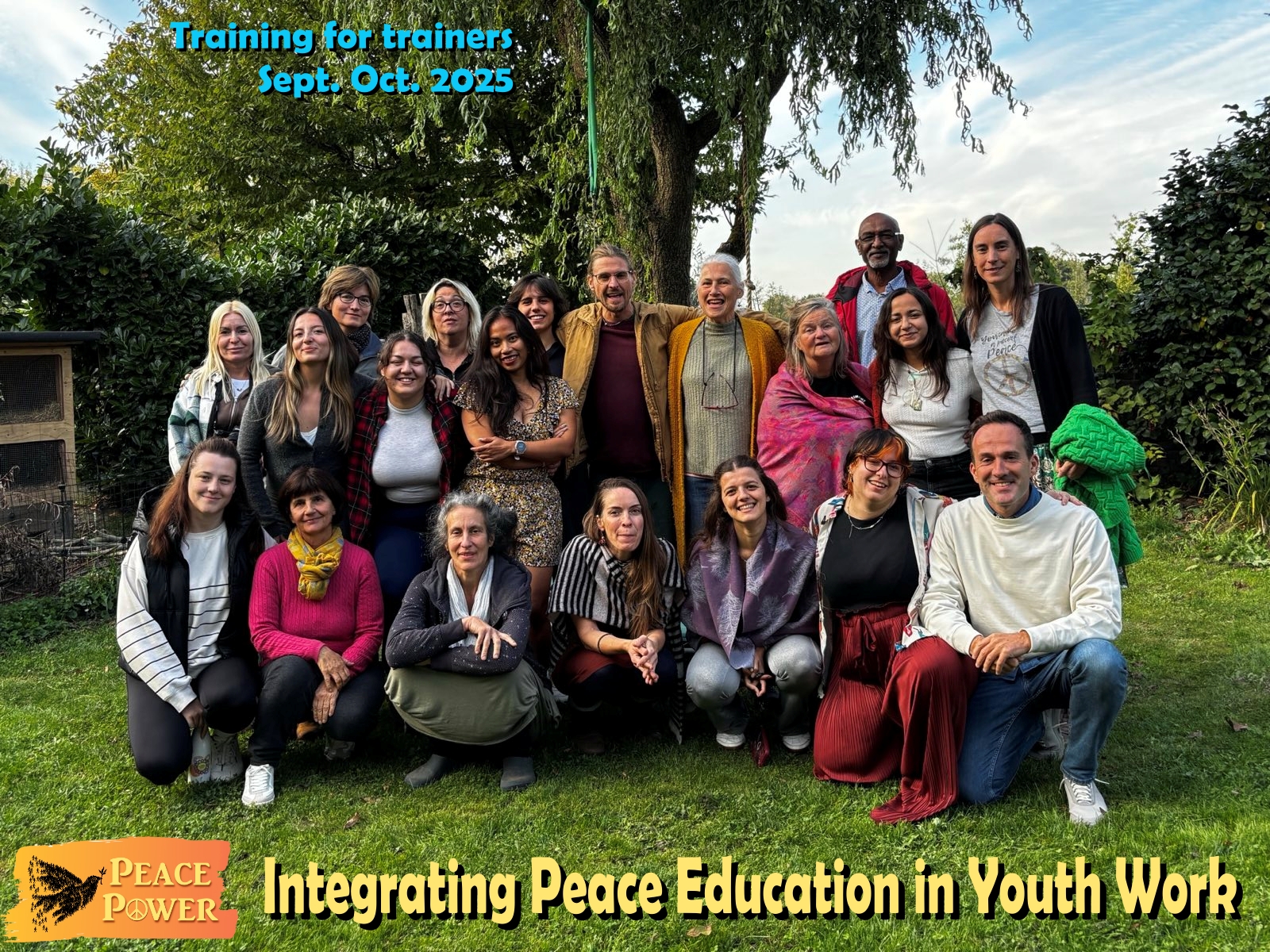
This is the first Training for Trainers! In a period of ten months, youth workers were trained to provide peace education activities to youth, through both virtual and in-person meetings and become a trainer them selves.
As most schools do not provide peace education, non-formal education in youth work is an ideal way to introduce youth to peace-building, providing participants with practical tools to improve their personal well-being, social skills –particularly solving conflicts– citizenship competences and a positive outlook on the future.
The aim of the ToT is to increase the peacebuilding capacity of each organization participating in this project, by empowering youth workers with peacebuilding, facilitation and organizational skills, to implement peace education. The objectives were to empower youth workers by:
- creating a network of youth workers who are motivated to work with peace education and can support each other to do so, cooperate and exchange best practices.
- enhancing their skills to work on inner peace, enabling them to support the youth in a peaceful manner, and assist them with their mental health;
- developing their skills to work on peace on the inter-personal level, enabling them to de-escalate conflicts, mediate and resolve them in their youth groups and create peaceful group dynamics;
- motivating and empowering them to work on peace on the societal-cultural and planetary level, enabling them to stimulate active citizenship in youth and implement nonviolent awareness raising campaigns promoting the areas of a culture of peace;
- improving their facilitation skills, so that they can effectively deliver peace education content to youth;
The training is based on two books: the Study Guide Engaging Nonviolence: Activating Nonviolent Change in Our Lives and Our World (2019) and The Peace Compass (2024). The first book, co-authored by Nina Koevoets (Peace Power) and Veronica Pelicaric (Pace e Bene) contains a training program and instructions for facilitators. The second is a combination of non-fiction and practical tools and examples.
The trainers are: Nina Koevoets and Agnes Berecz, founder of Pandora (Hungary). The other partner organisations are based in: Greece, Spain, Italy and Serbia.
Time line:
August 27: 4 webinars
Training I: September 26th- October 3rd, 2025, in The Netherlands
Oct.-Feb: 4 monthly online meetings
Oct.-March: 1st phase of Multiplier Events
Training II: April 6-12, 2026, in Hungary
Apr.-June: 2nd phase of Multiplier Events
Below you can get an impression of the two training courses, through a video with pictures and text.
We brought together a group of people working with youth residing in Greece, Italy, Spain, Hungary and The Netherlands, with different ethnic and religious backgrounds, and age ranging from 24 to 64.
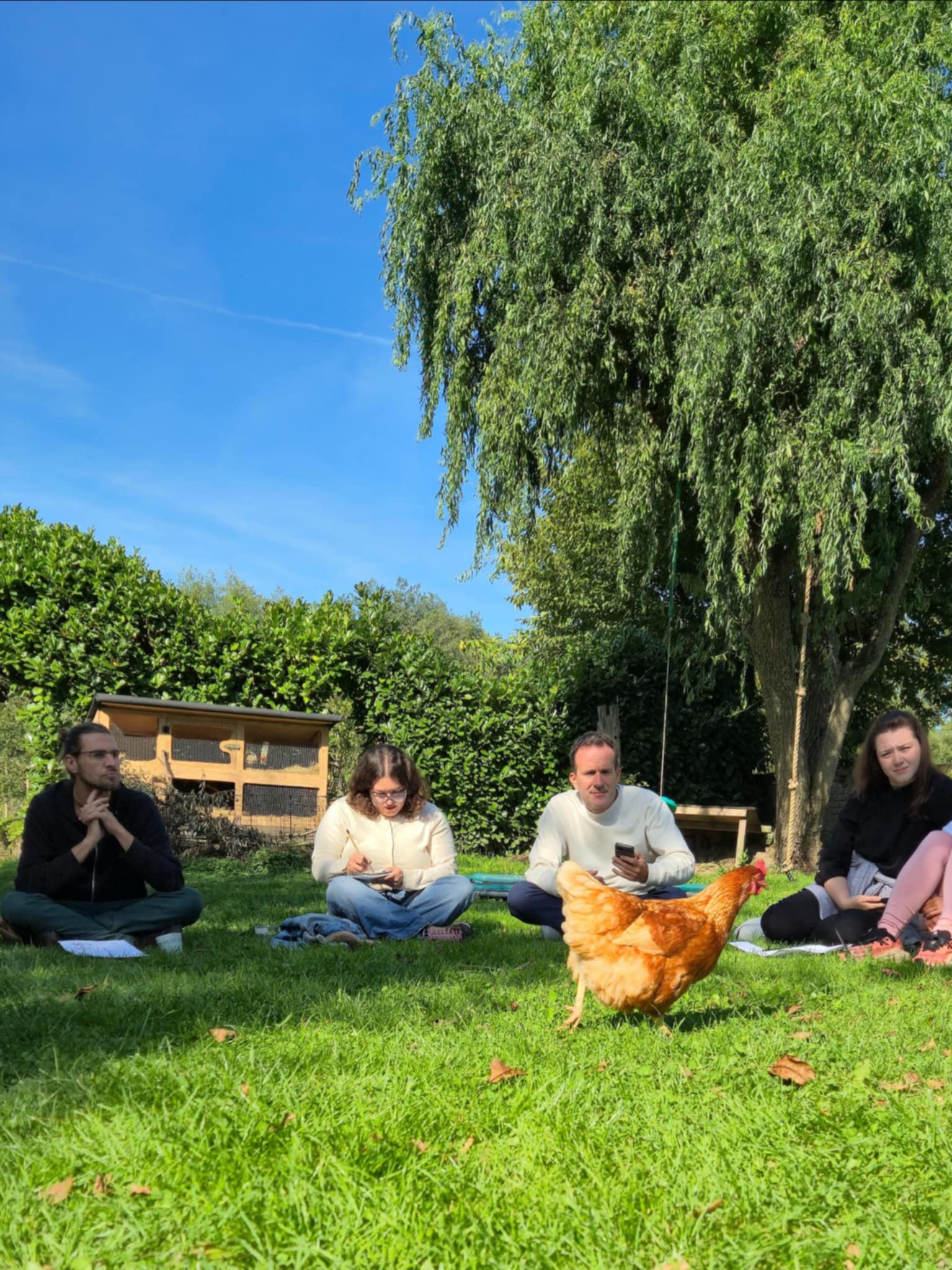
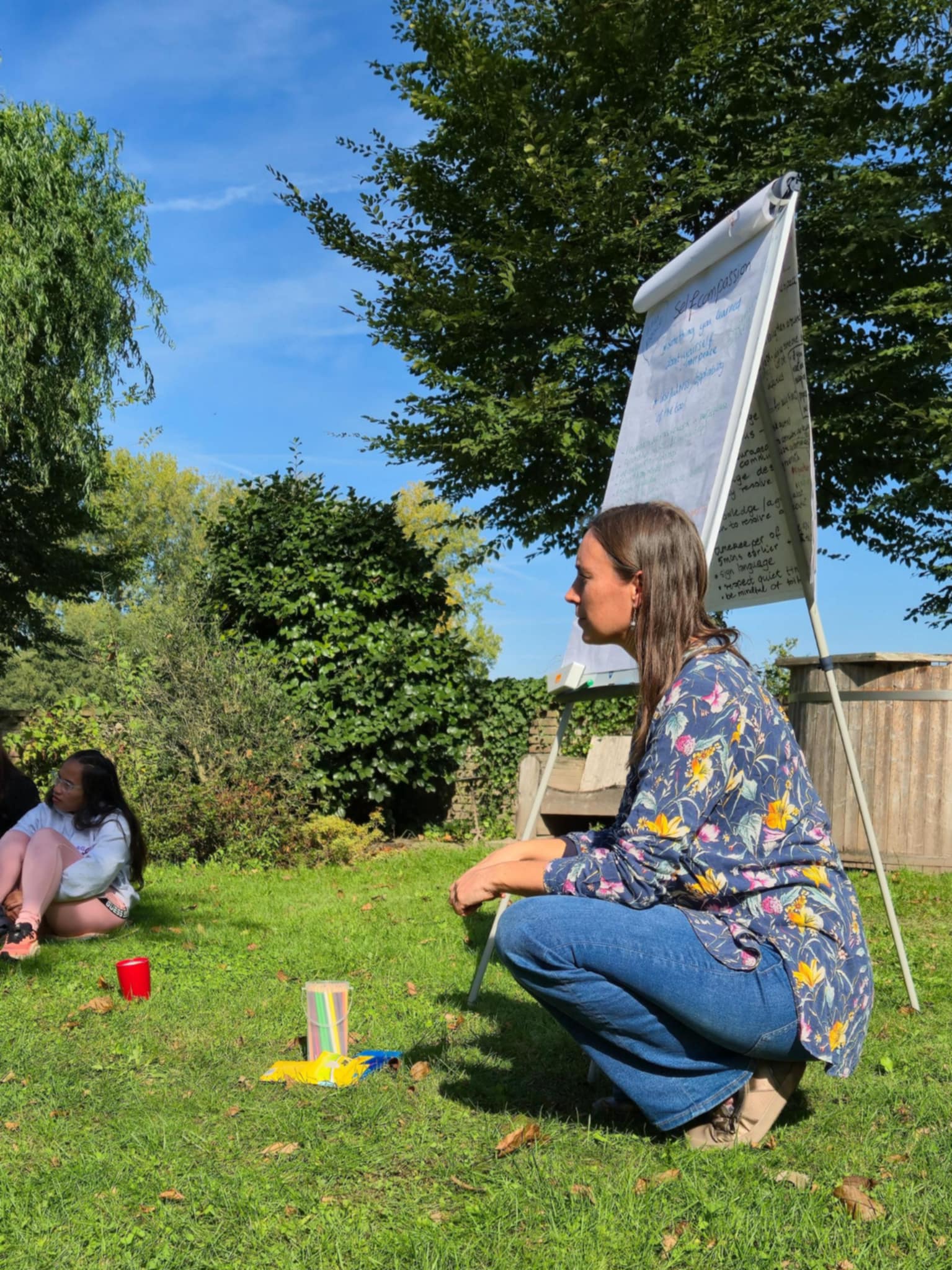
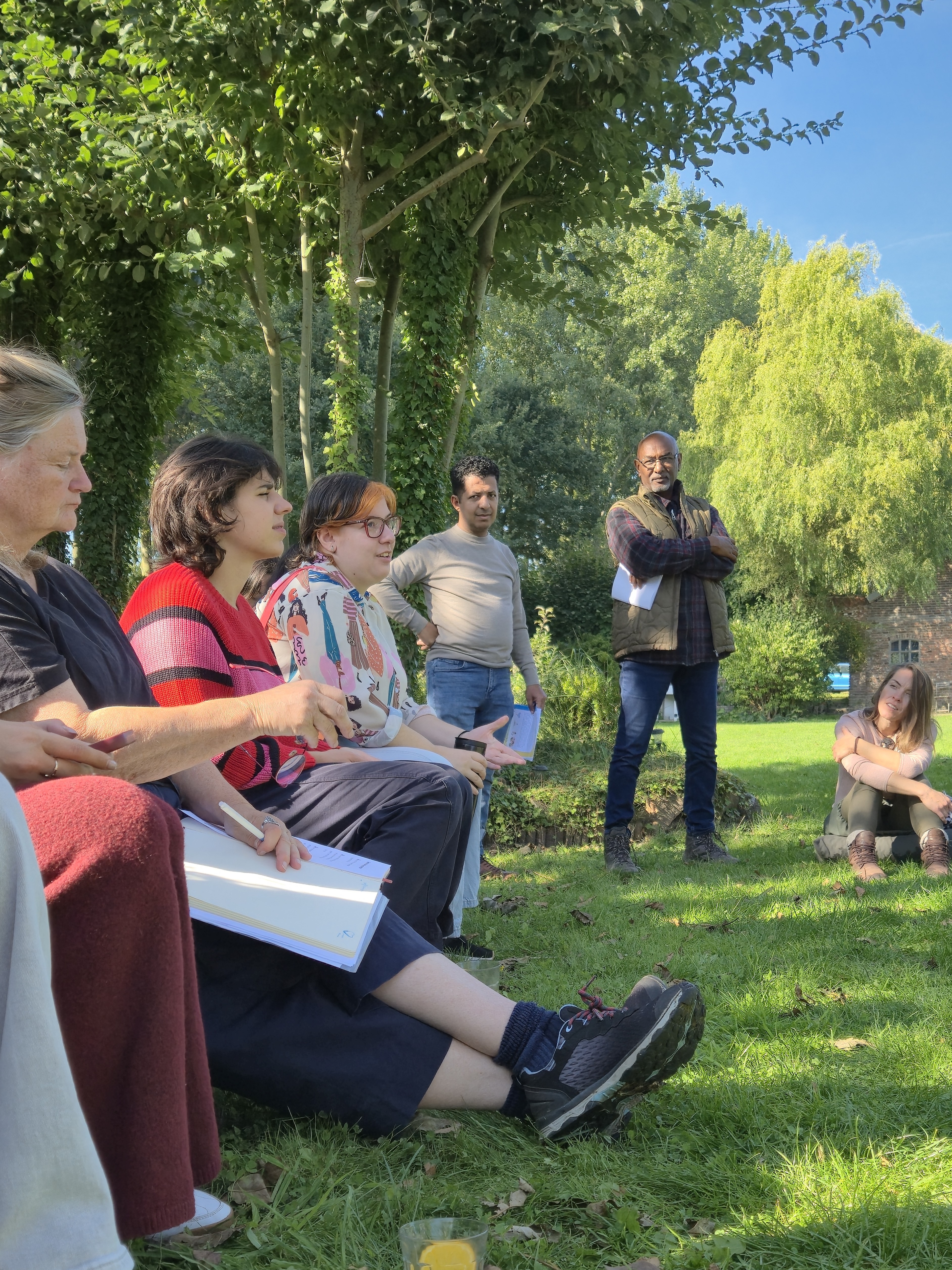
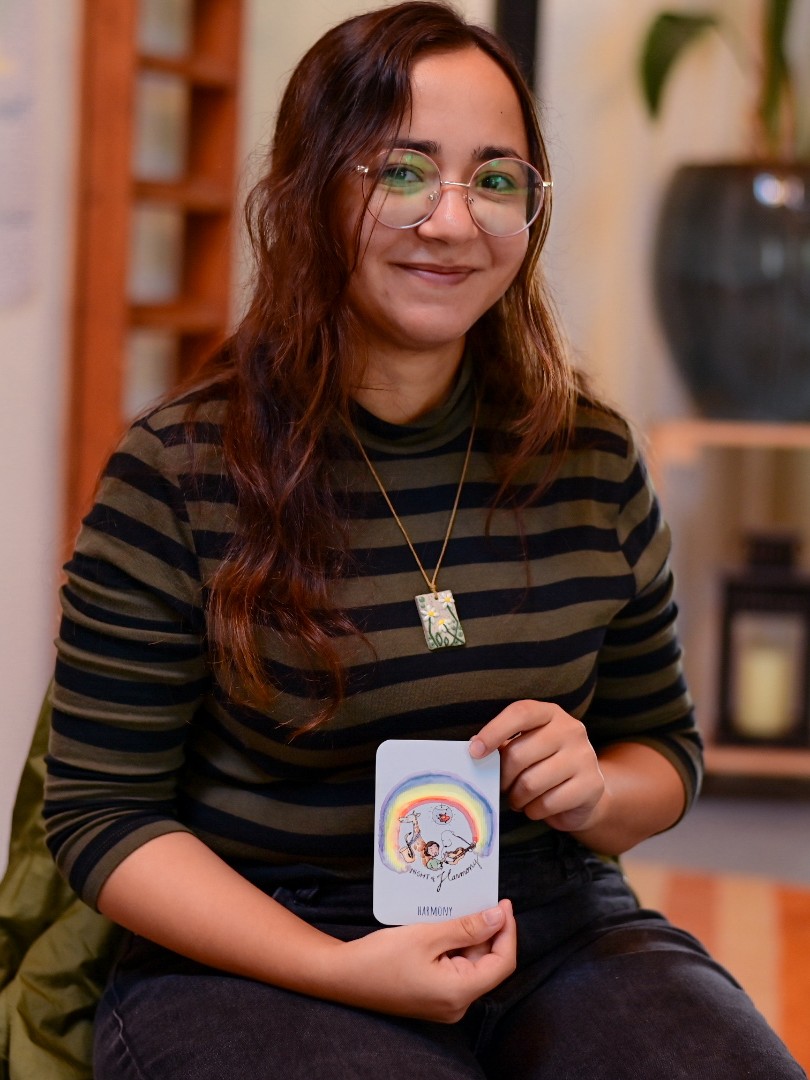
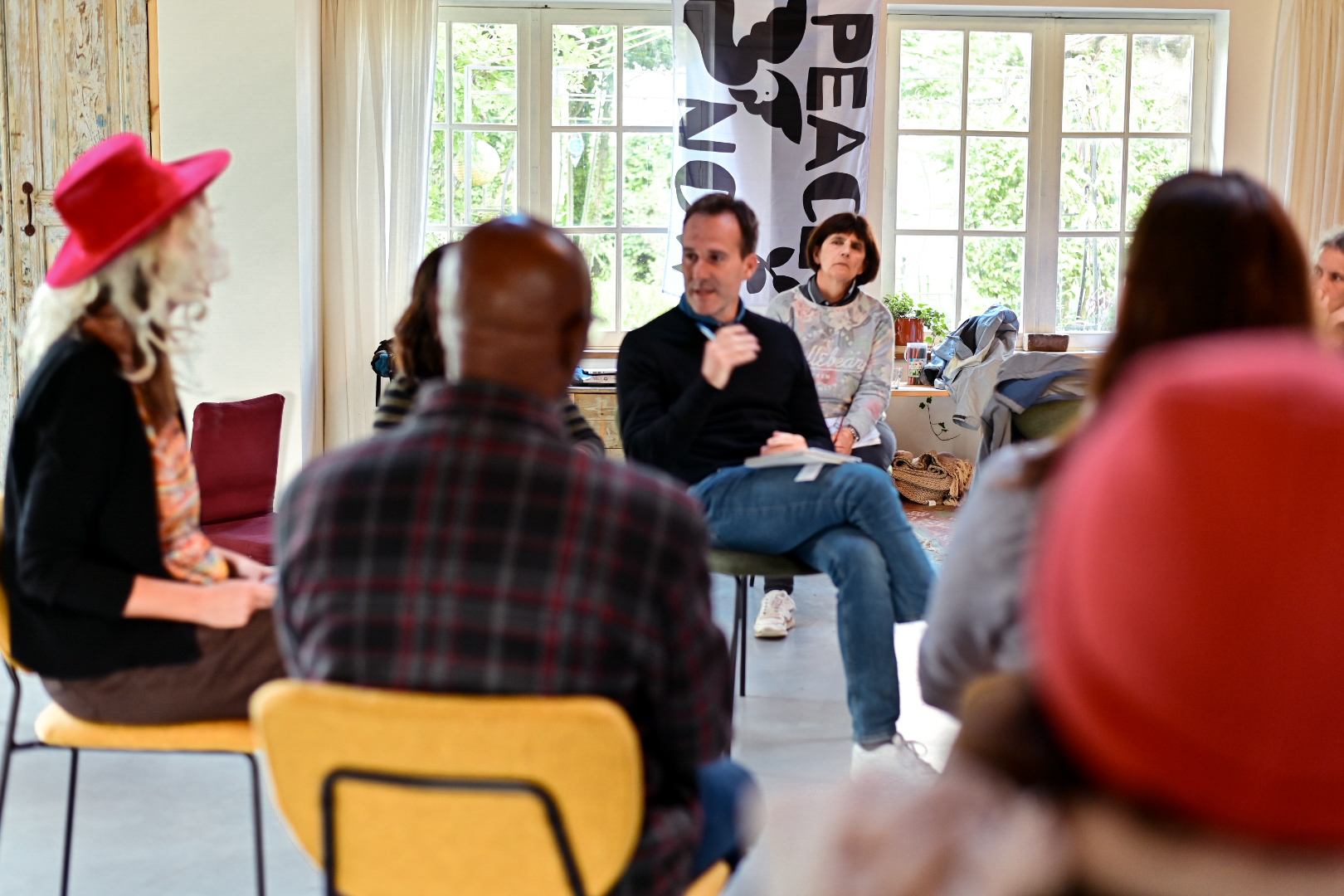
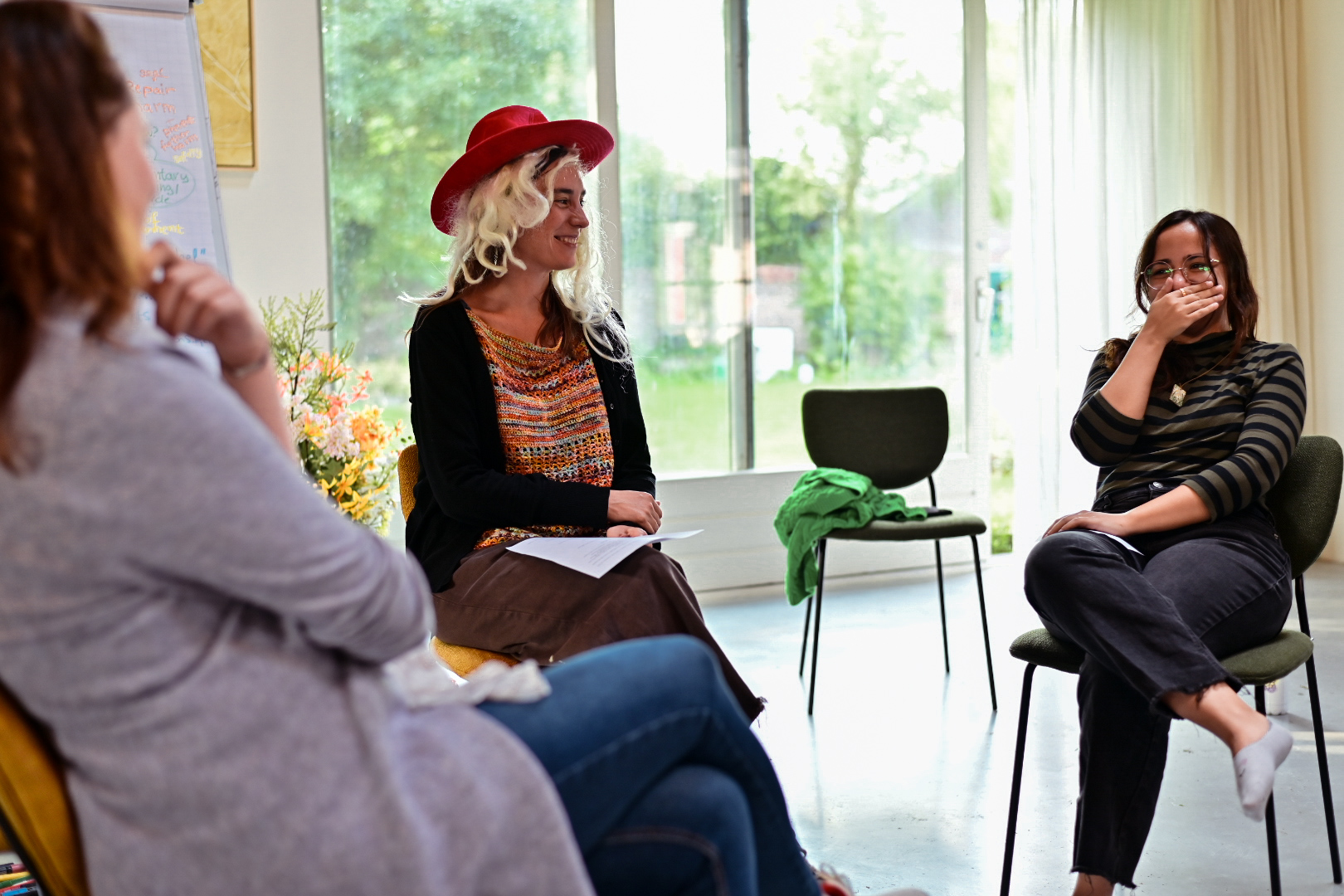
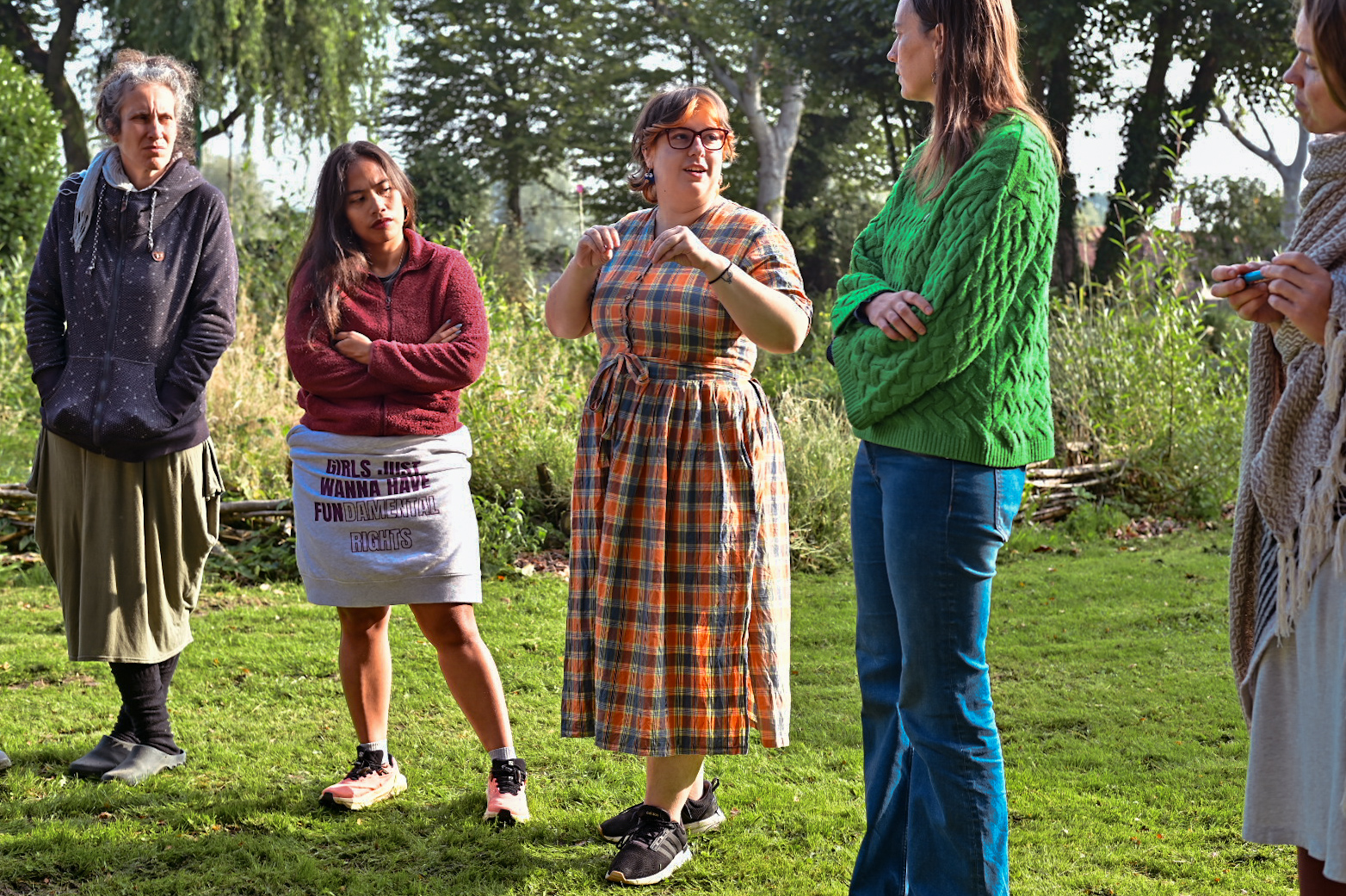
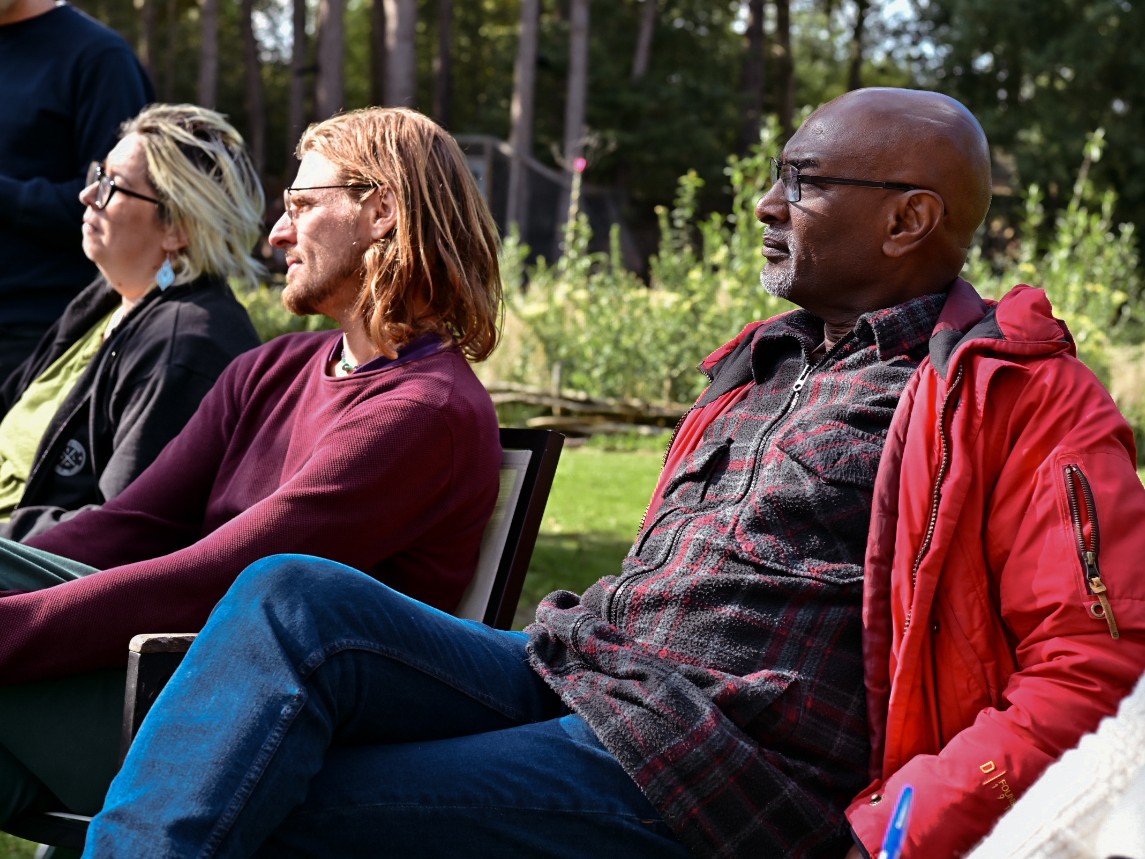
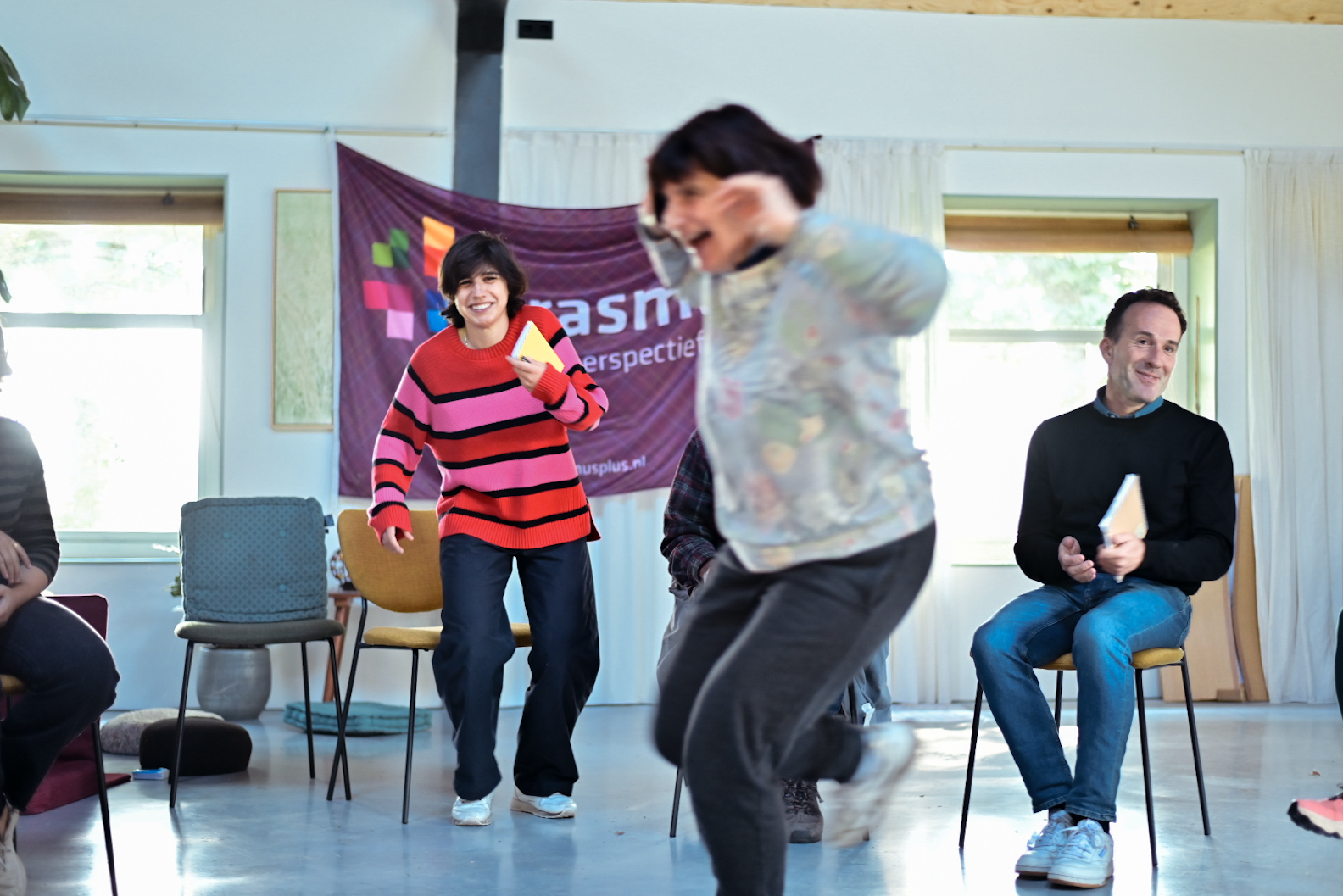
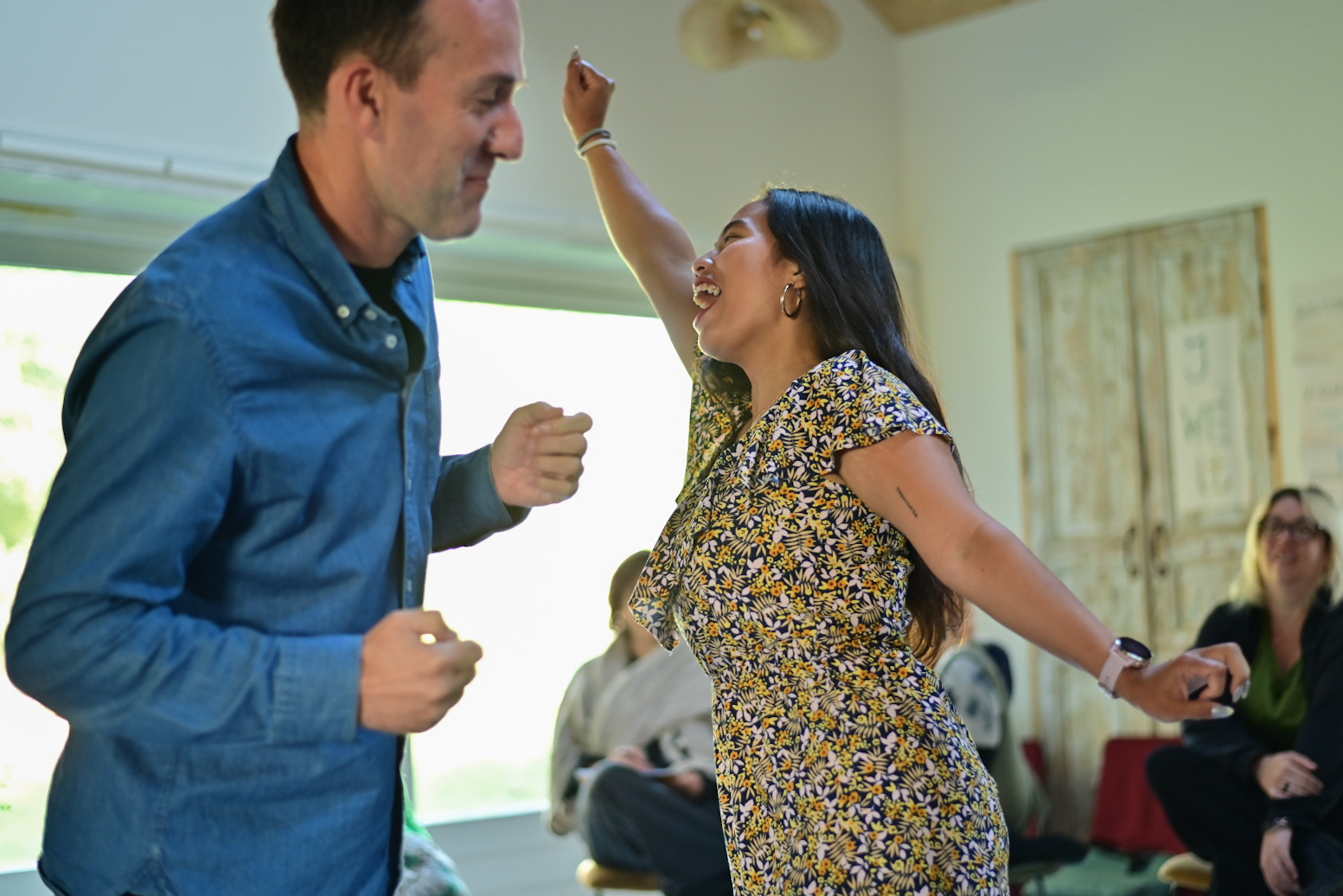
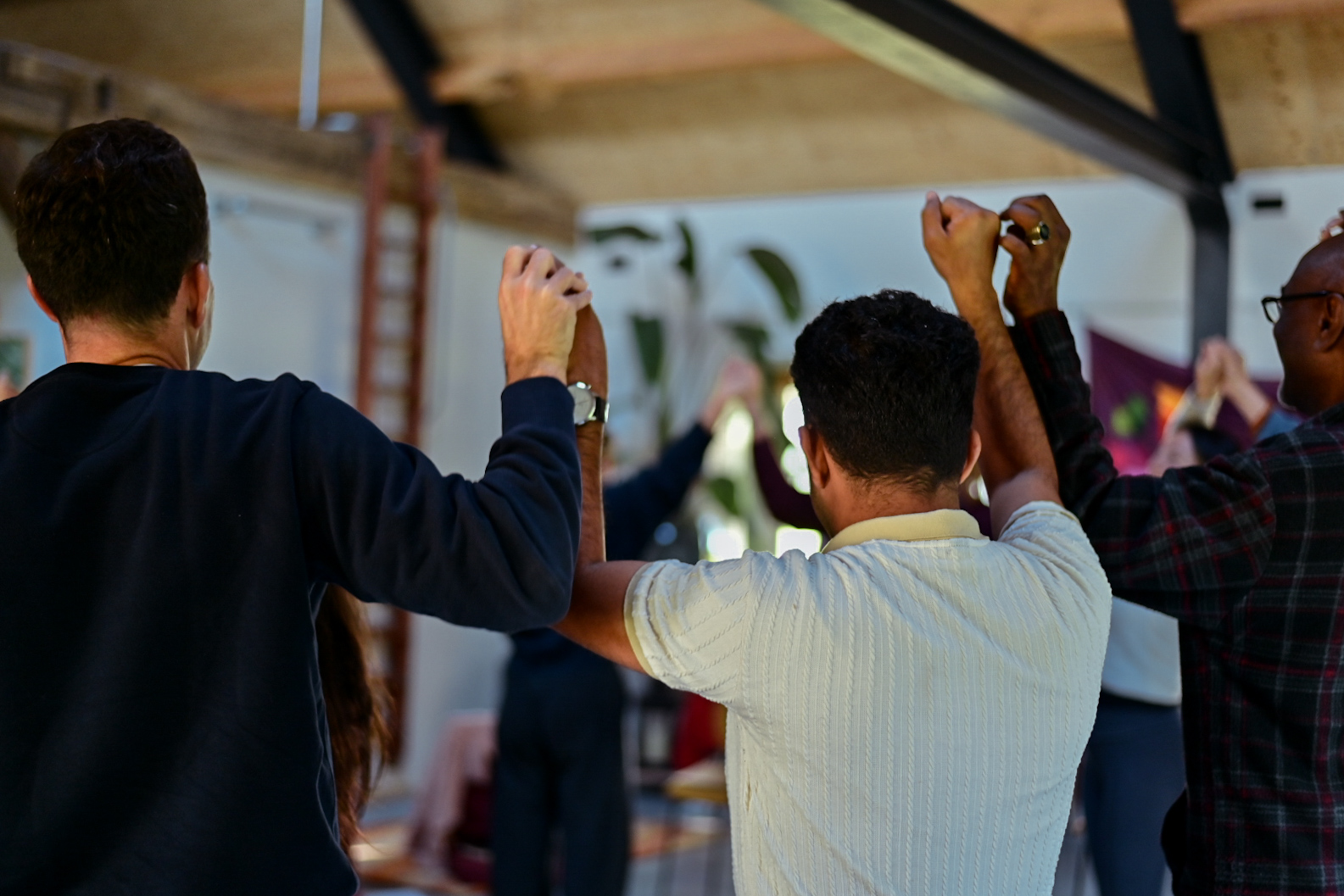
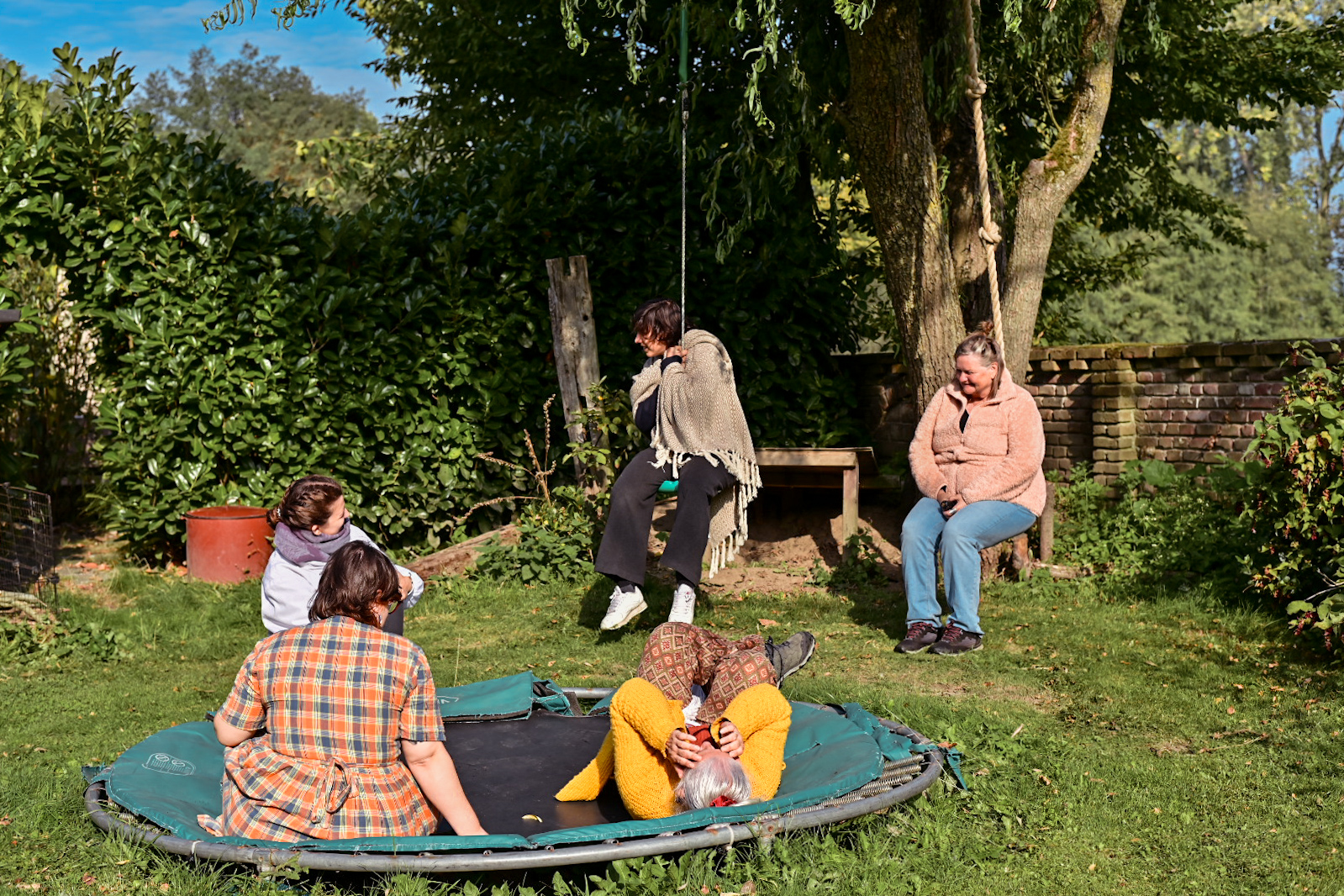
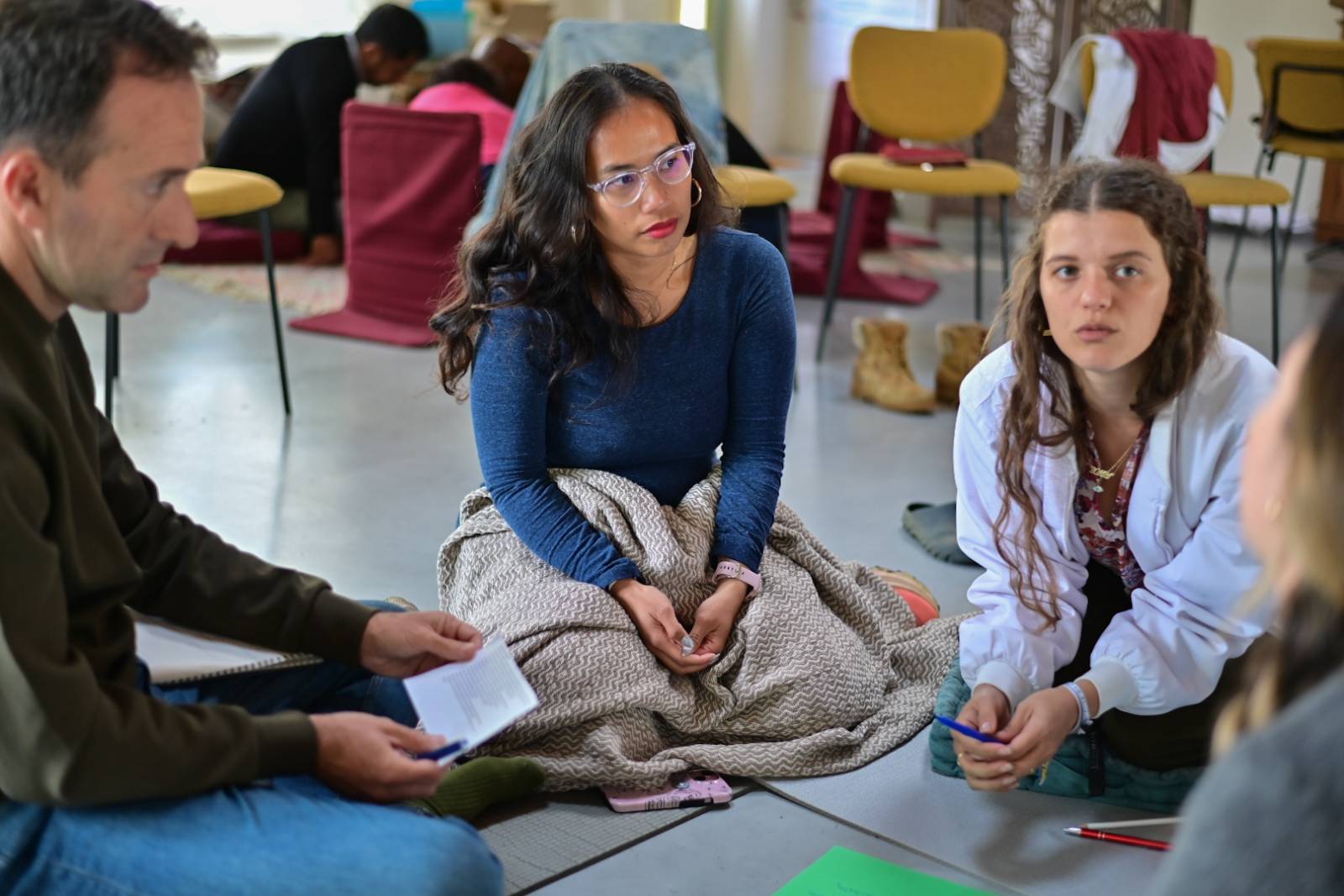
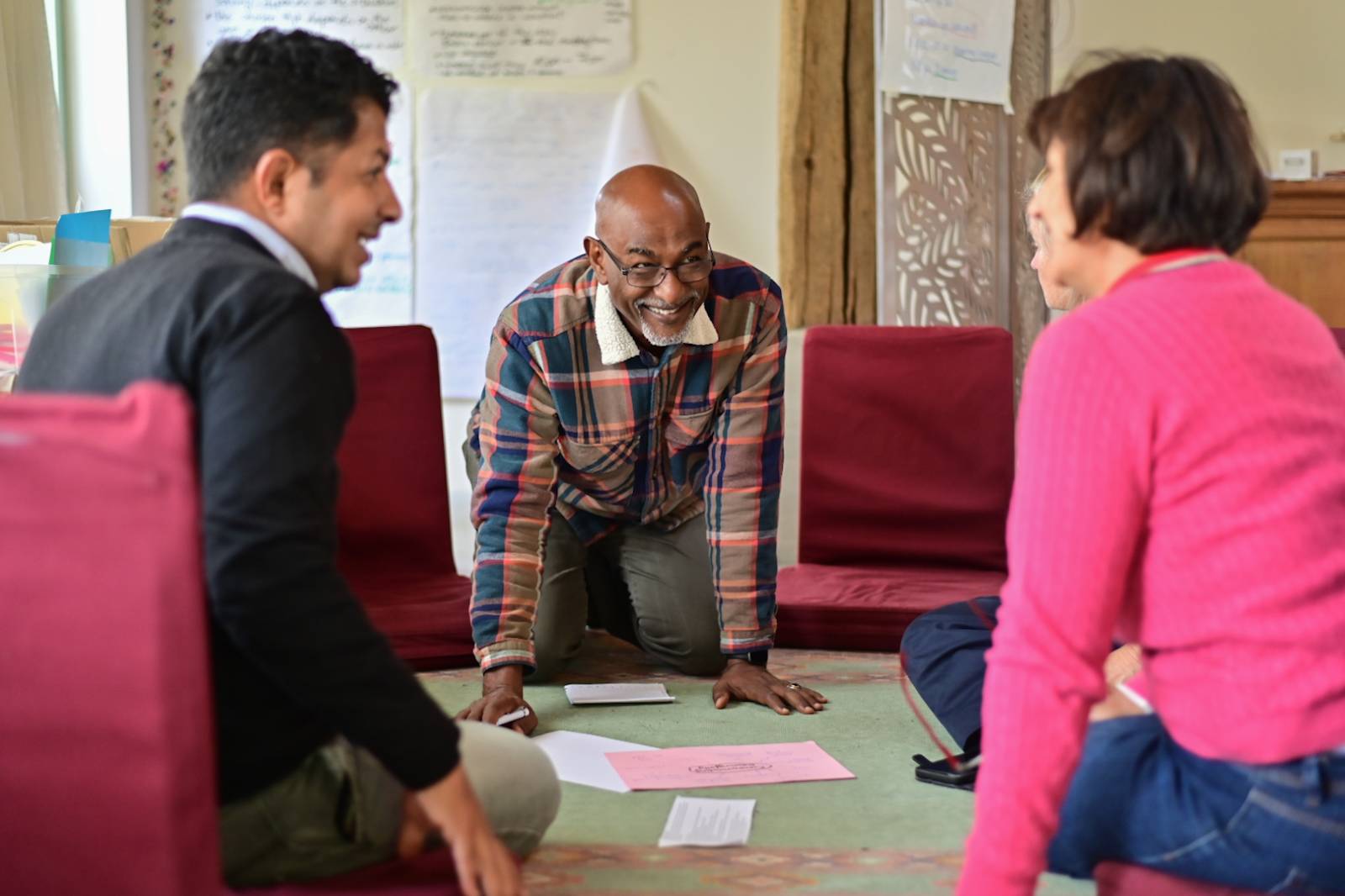
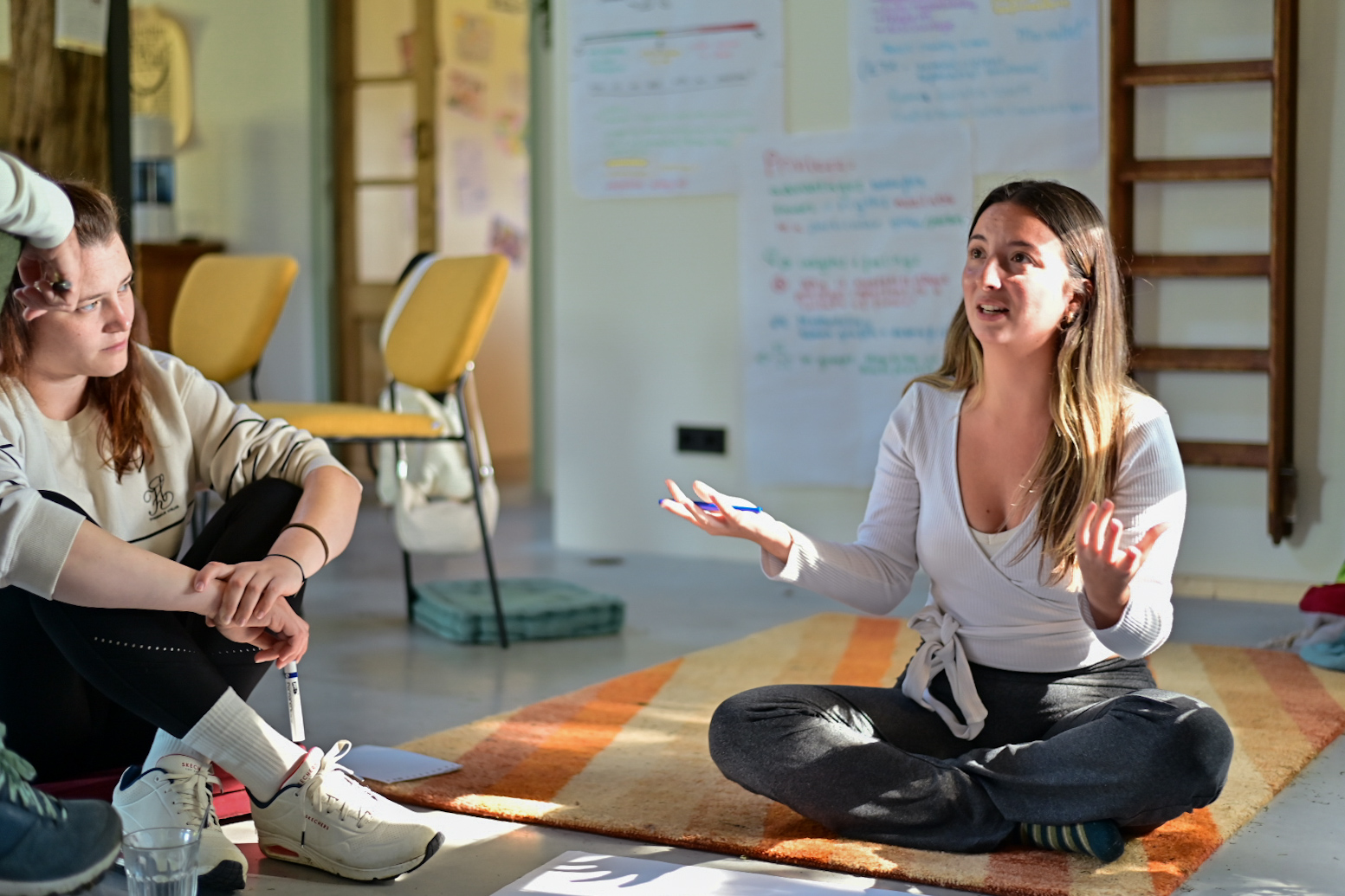
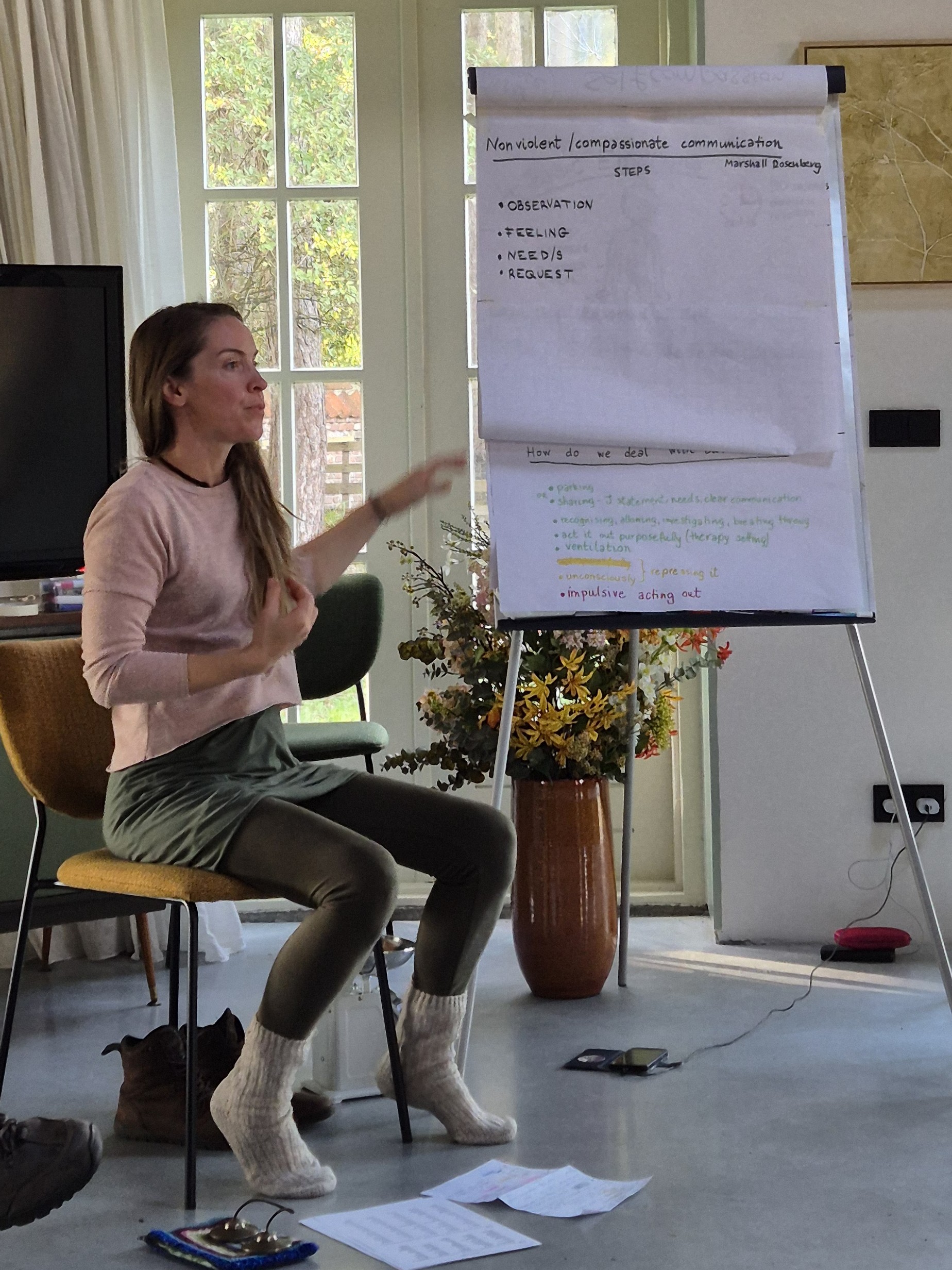
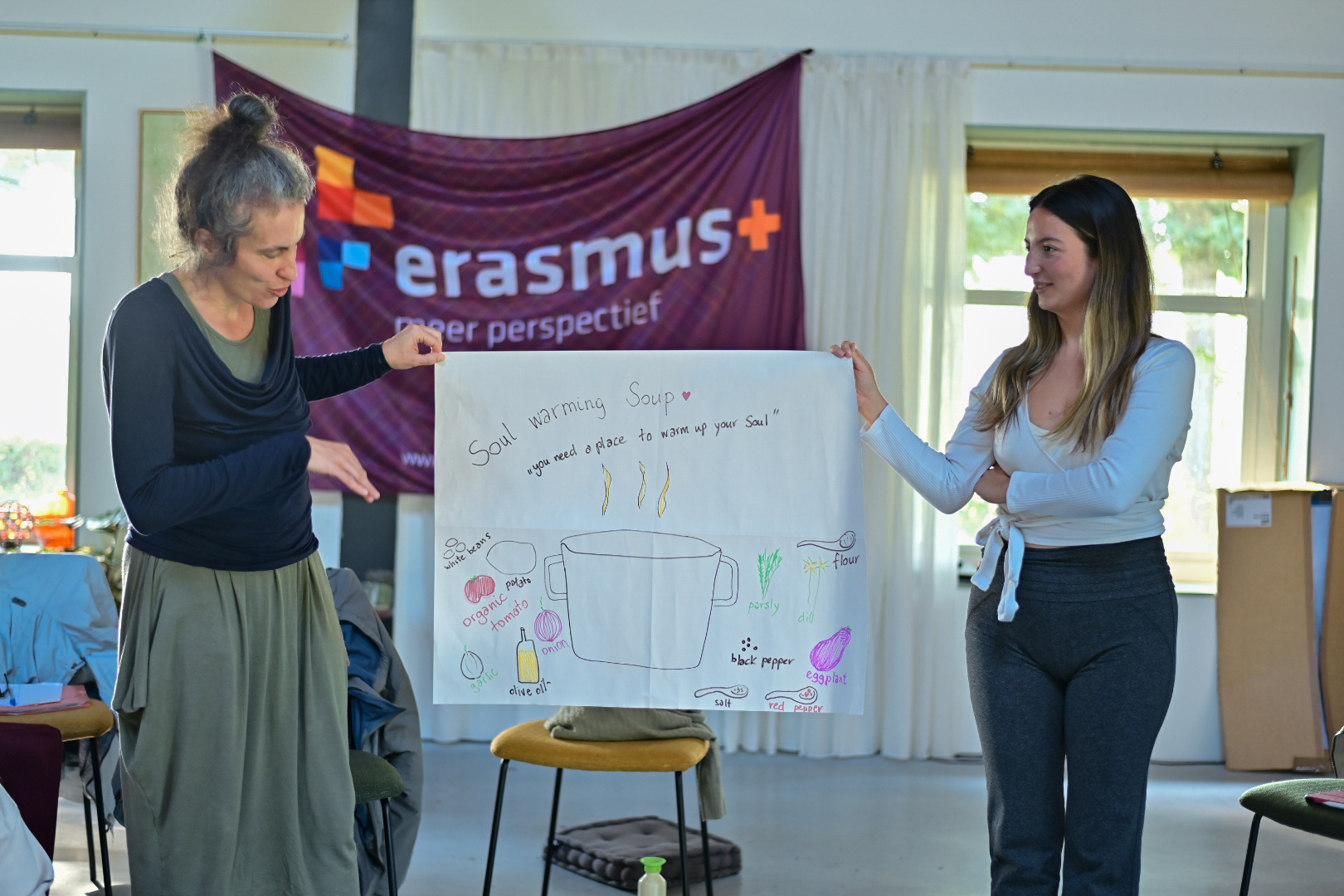
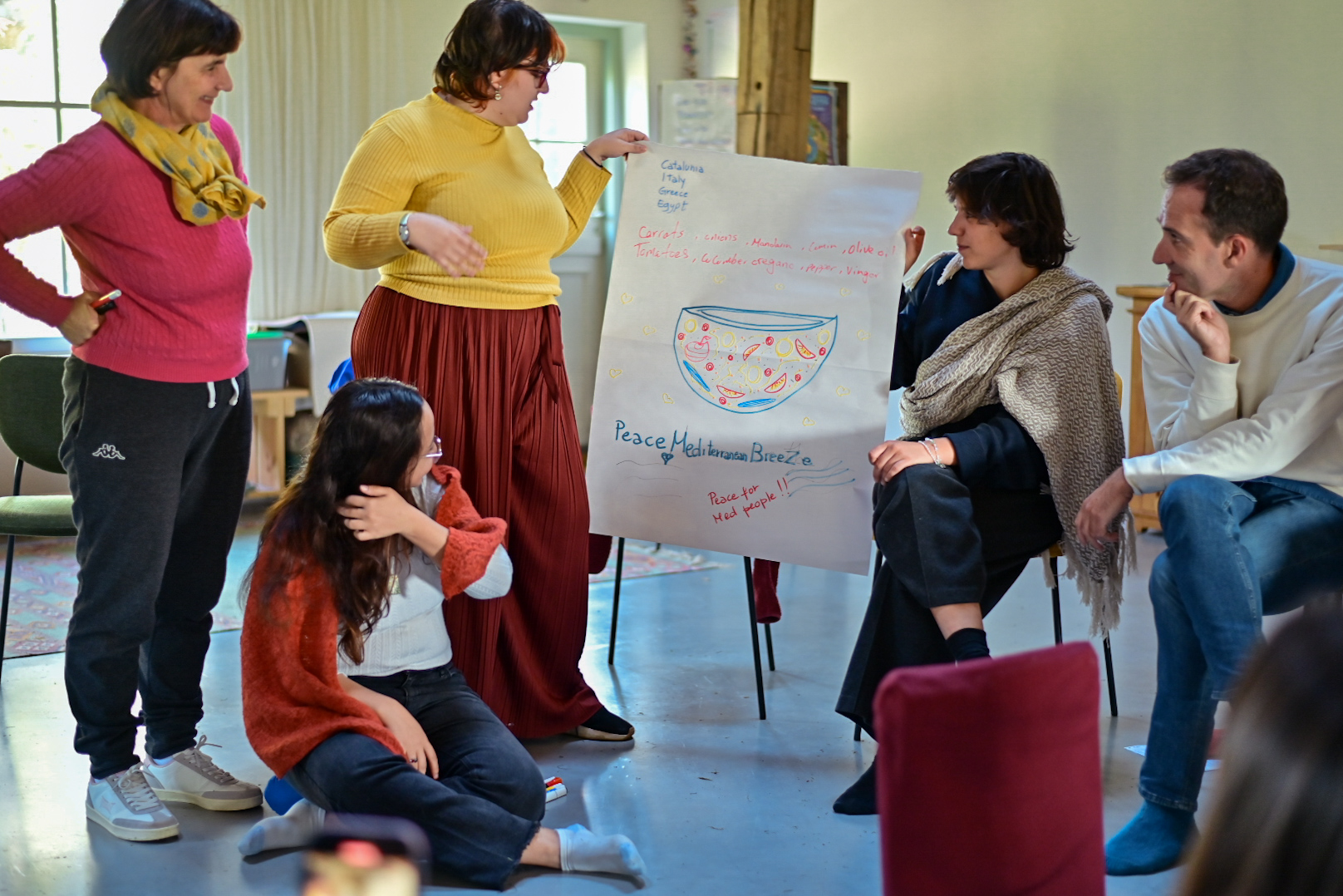
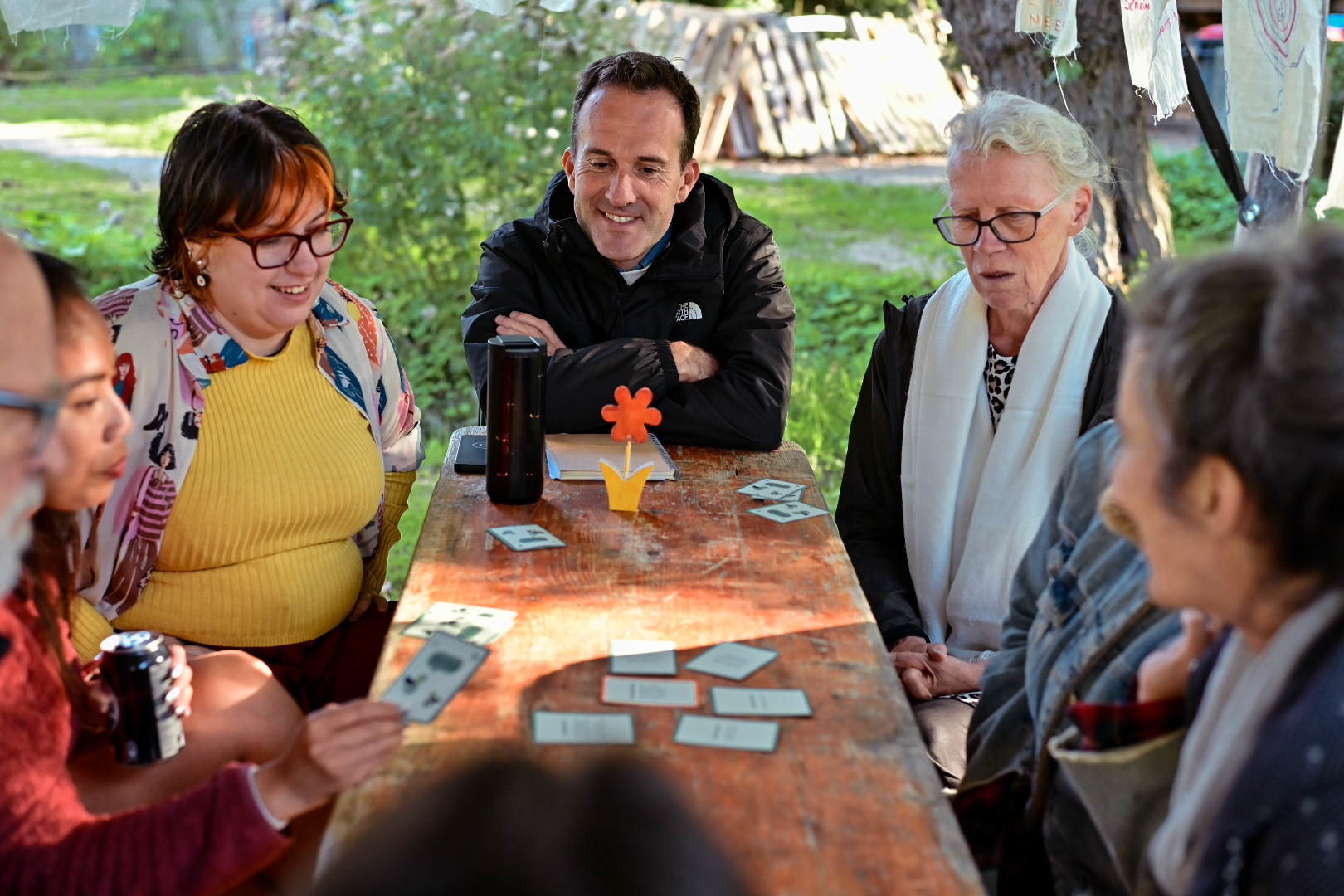
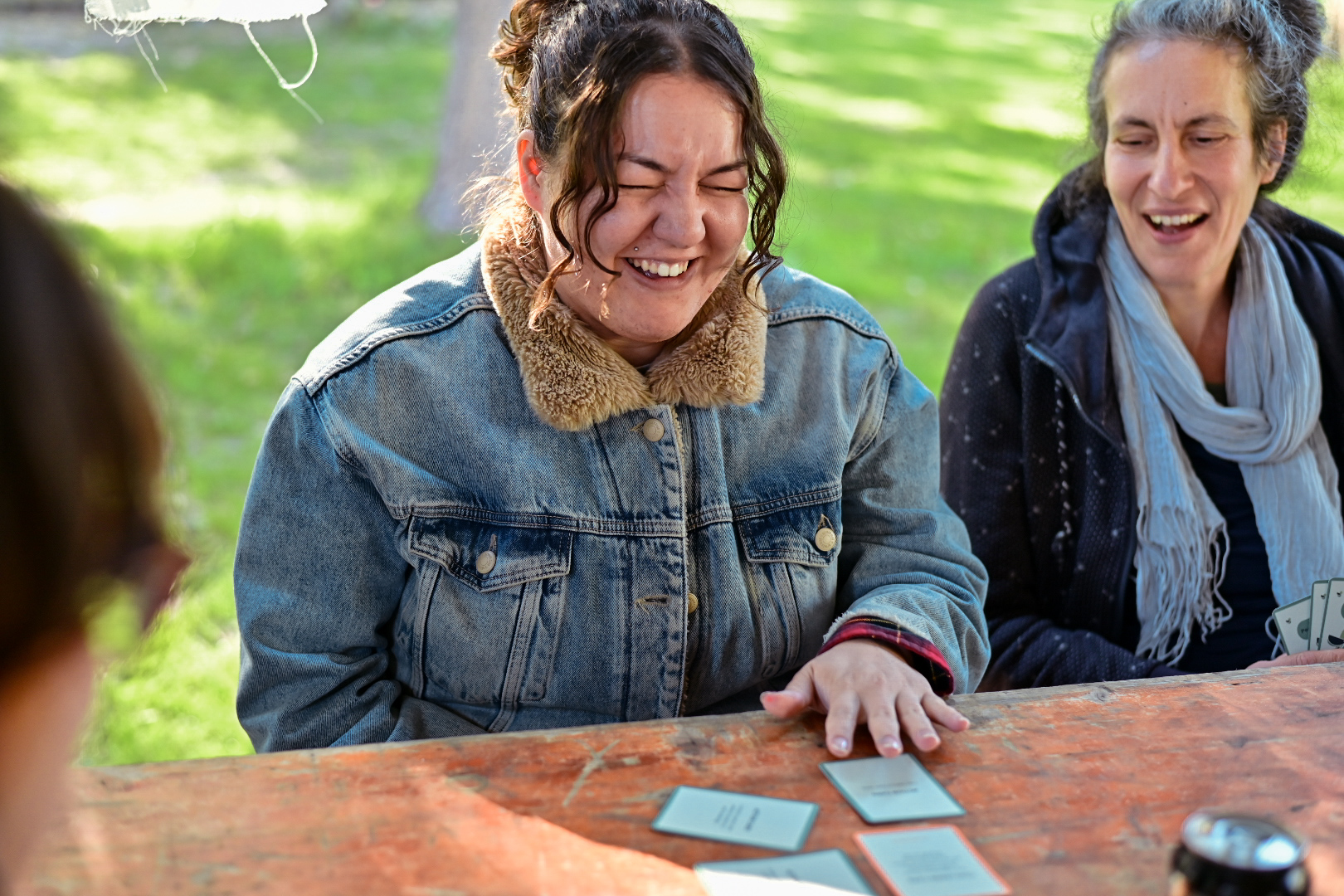
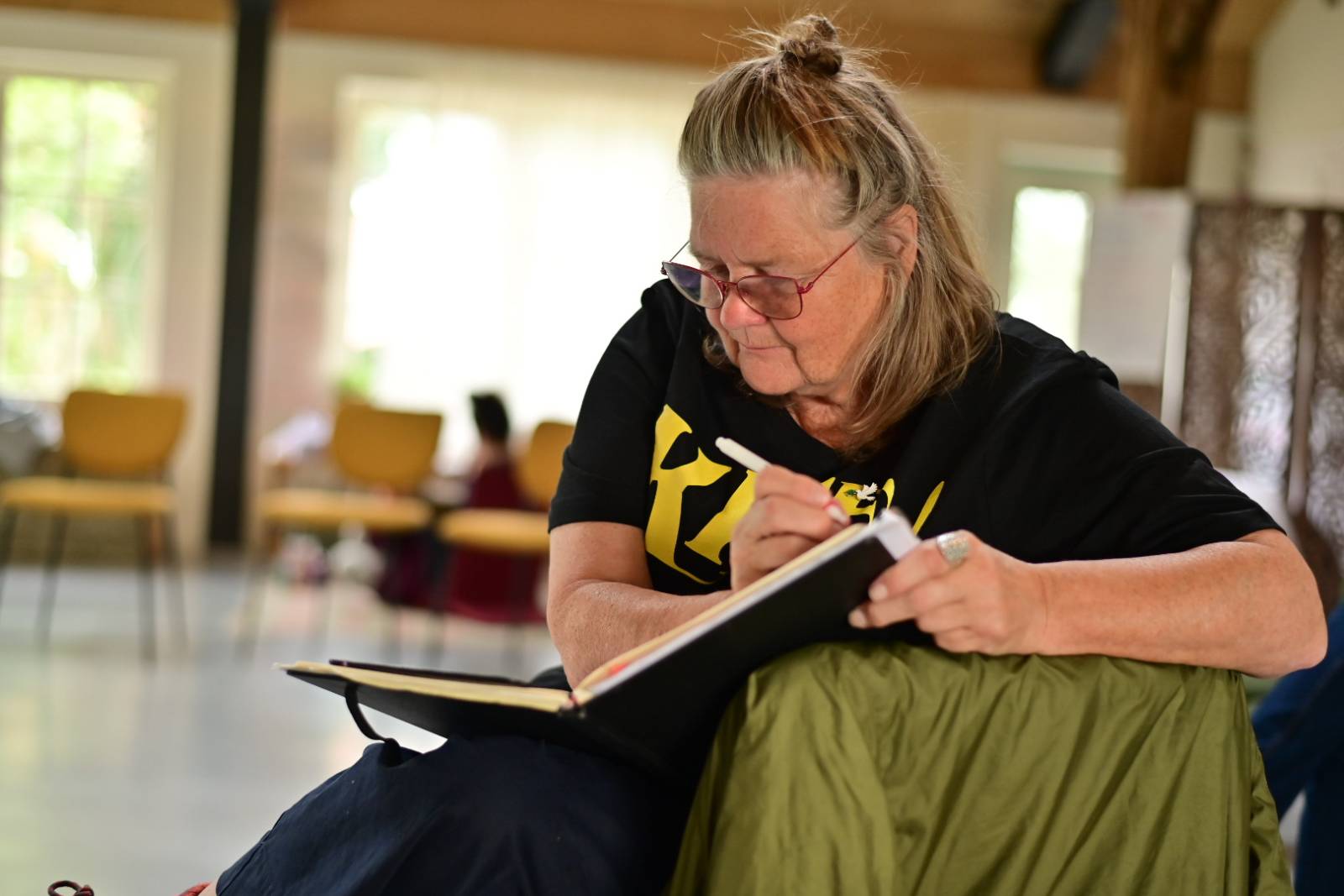
The first training in The Netherlands was from September 27- October 2nd, in the village of Sint Oedenrode. Six days of learning, reflection, and connection — exploring how to bring peace education into youth work in practical and inspiring ways. We explored the personal and interpersonal dimensions of peace, the two first directions of The Peace Compass.
Many tools were shared and practiced such as:
💖Setting boundaries, practicing self-care and having a compassionate inner dialogue, transforming one’s inner critic.
🤝The Two Hands of Nonviolence, Nonviolent Communication, and Restorative Justice.
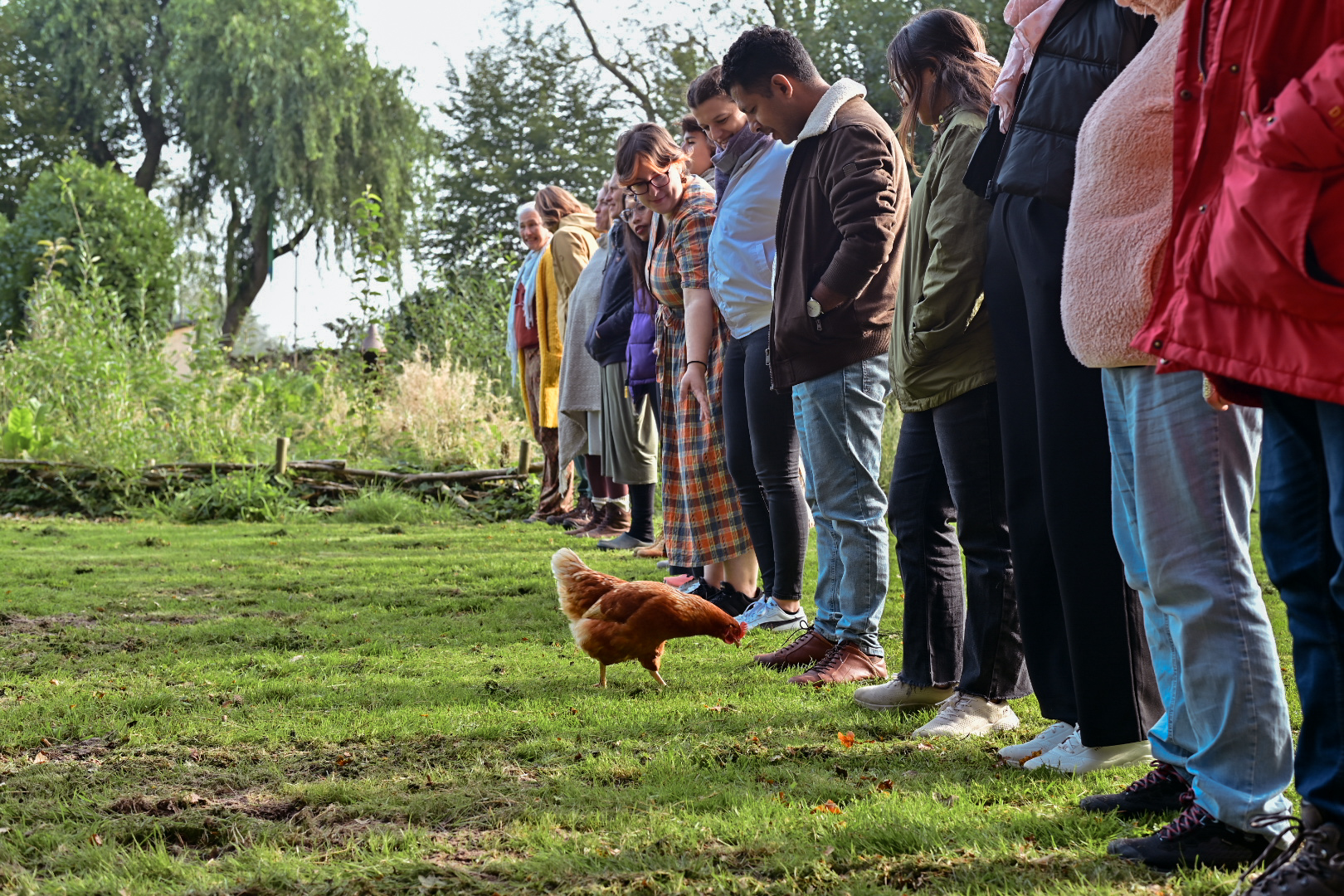
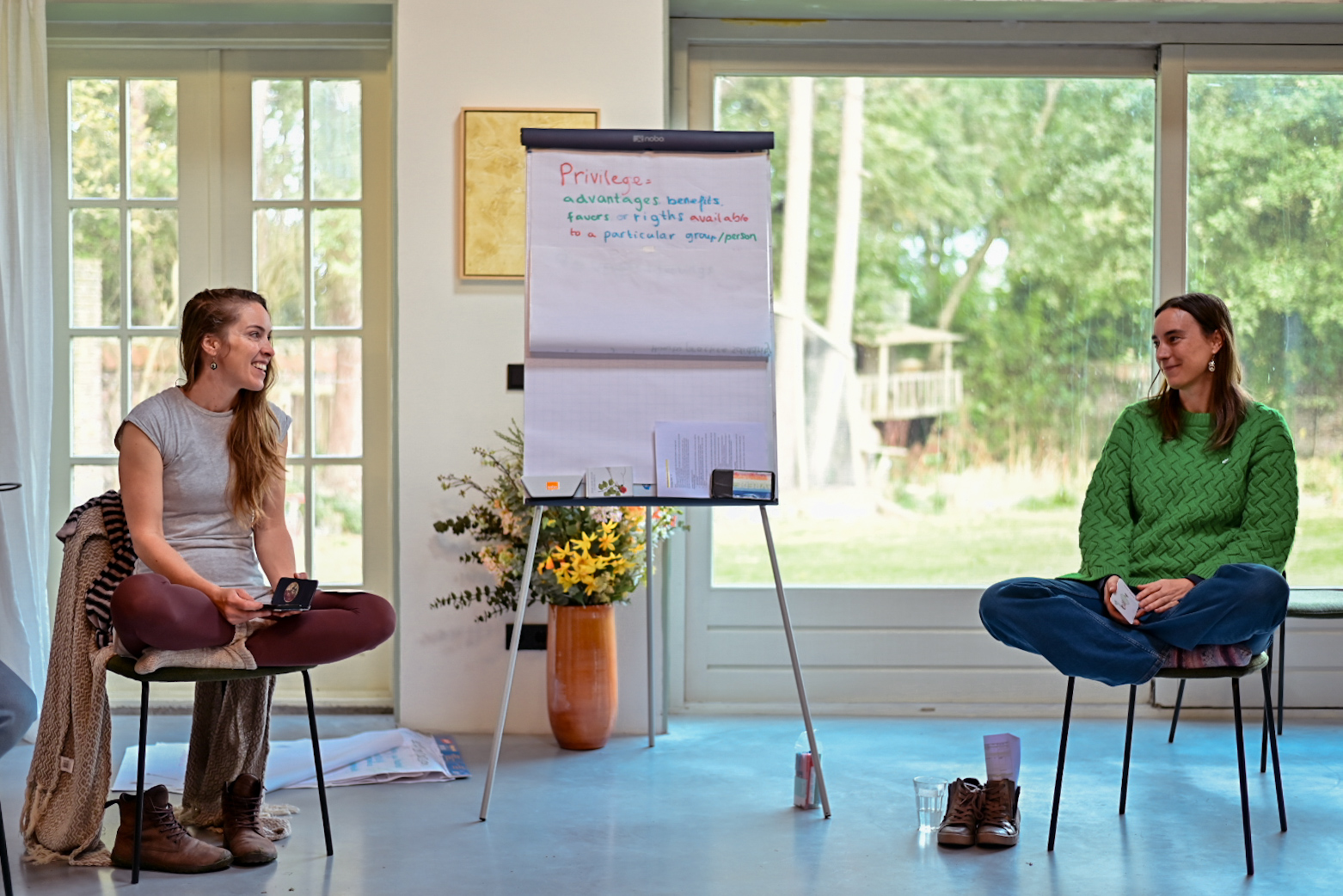
🌍The Privilege Walk, De Five D’s of de-escalation
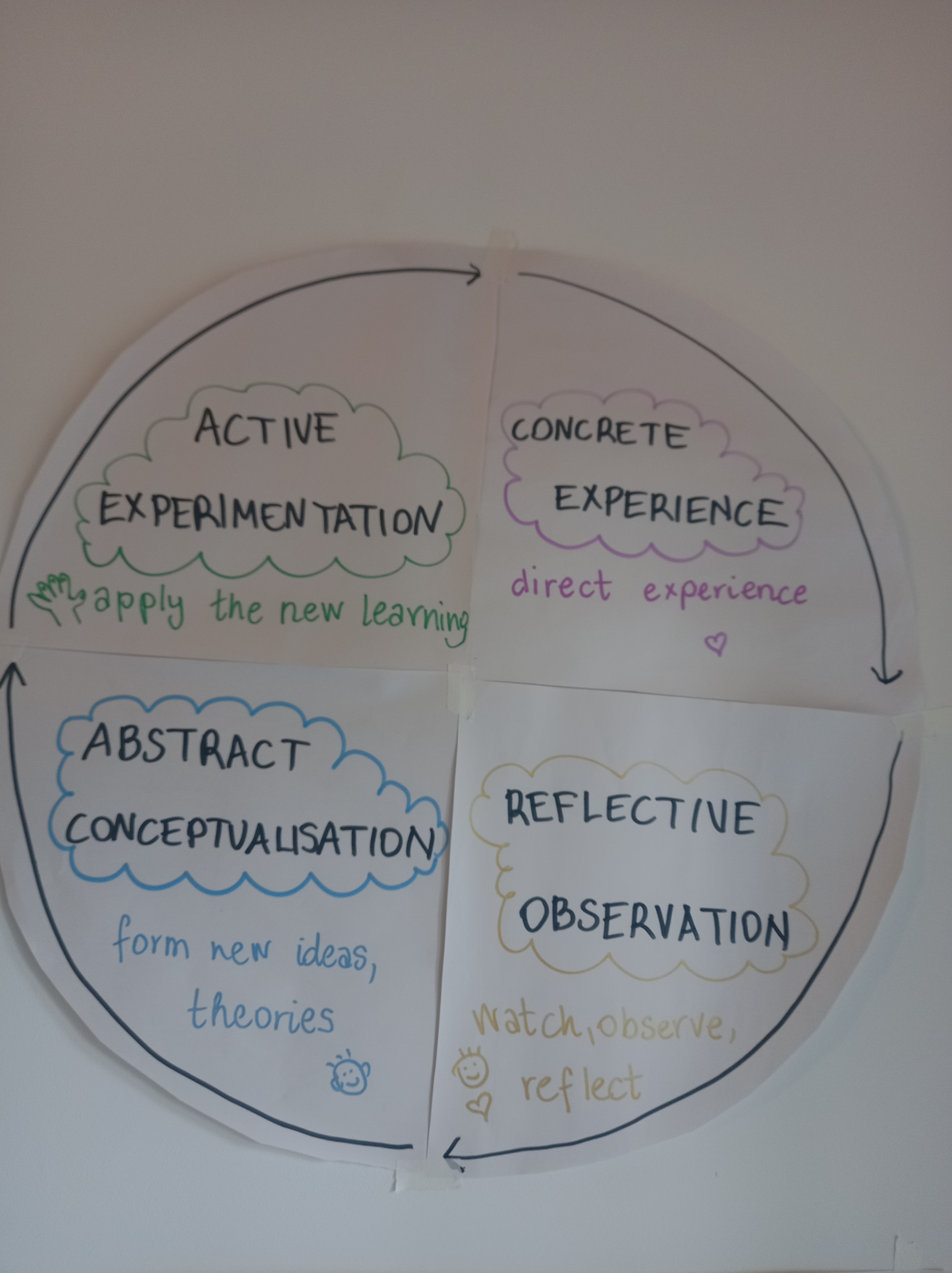
🧠 Models like the Kolb cycle, to design workshop sessions, facilitating workshops & giving feedback and sharing best practices
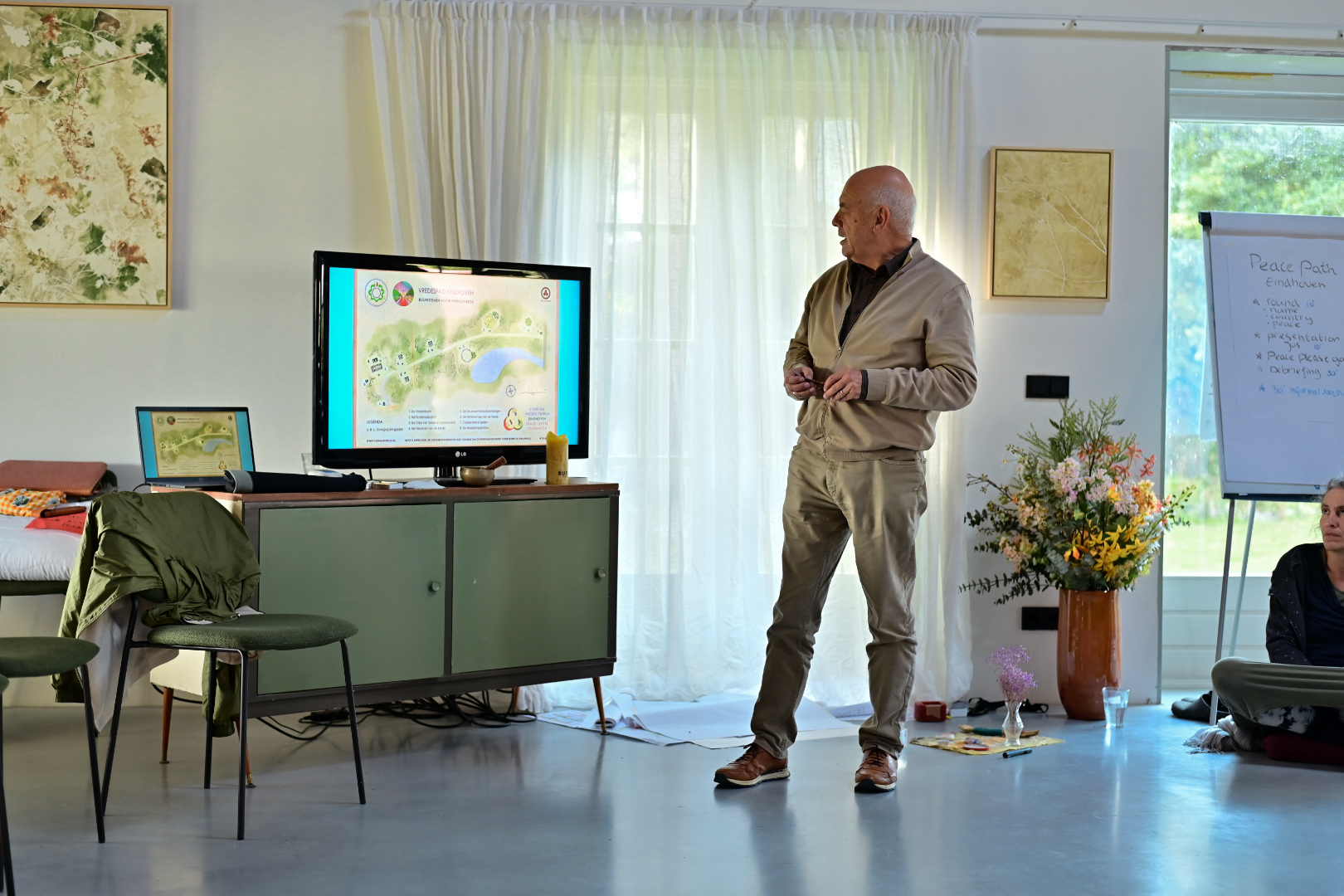
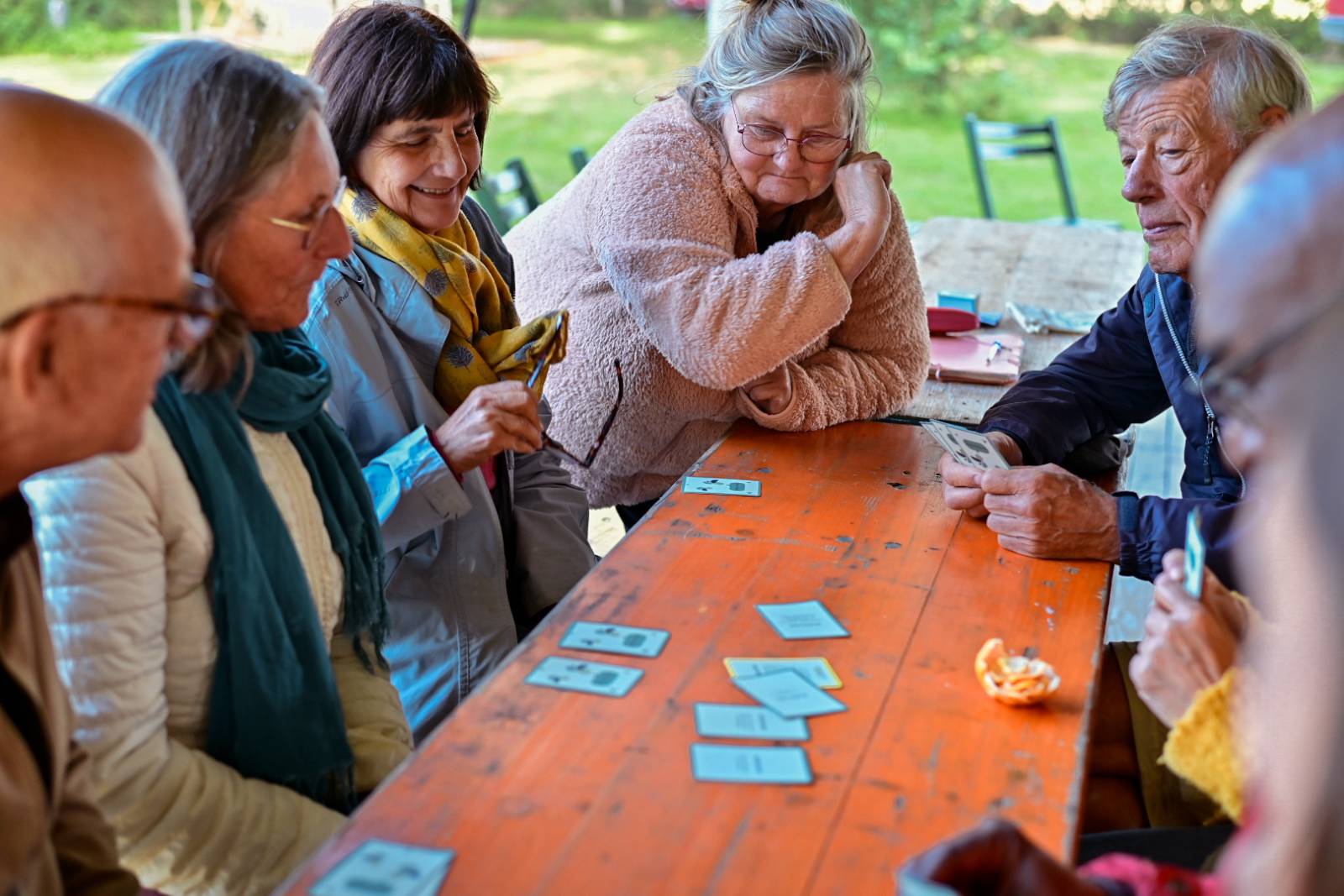
🕊️We also learned about sociocracy and the Culture of Peace through the Peace Please game, that we played on the 1st day and with the people from the Peace Path in Eindhoven.
✨And on the last day we explored next steps and committed to carry this learning forward.
This training was more than professional development — it was a journey of self-reflection, community, and empowerment. We look forward to continue this journey!
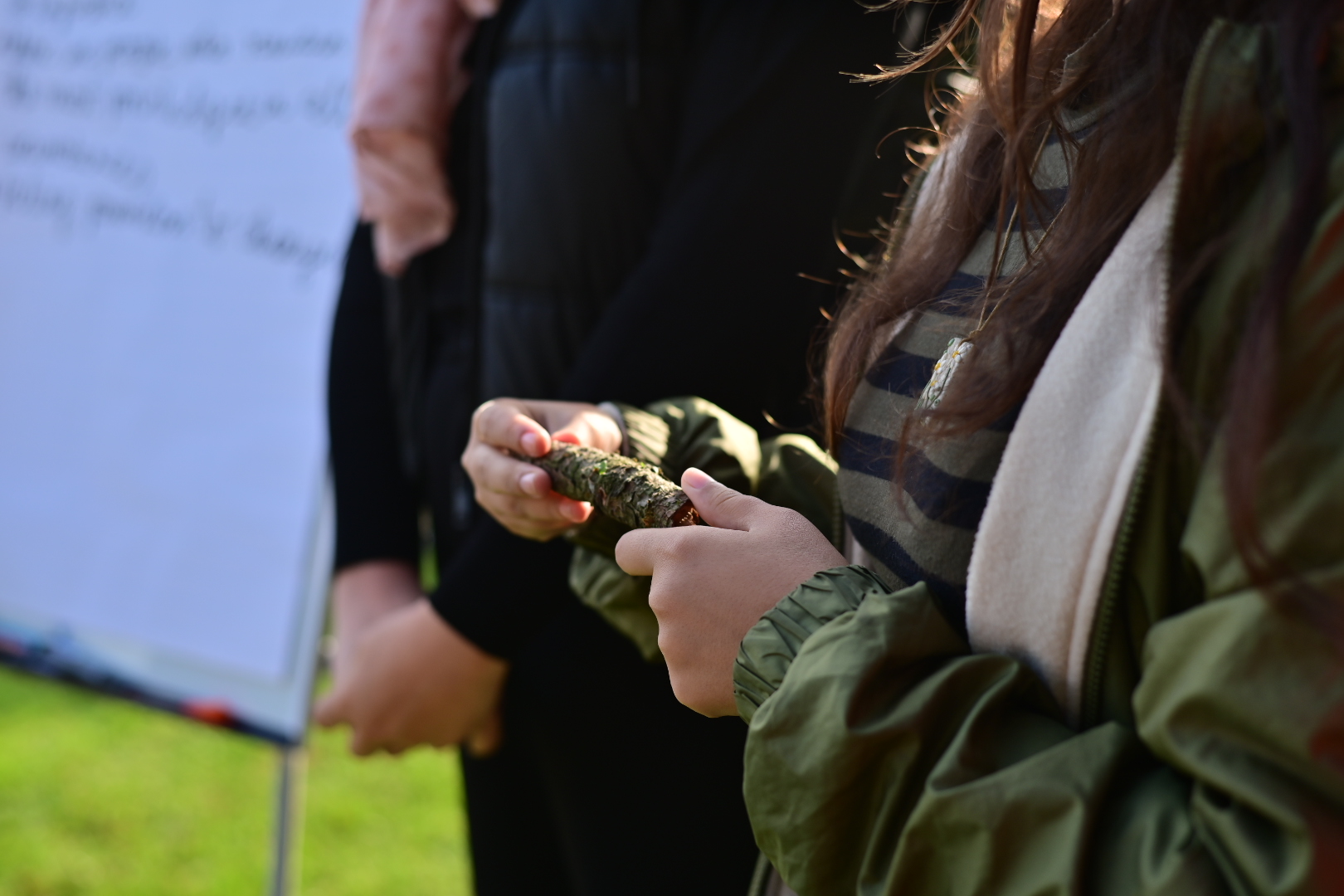
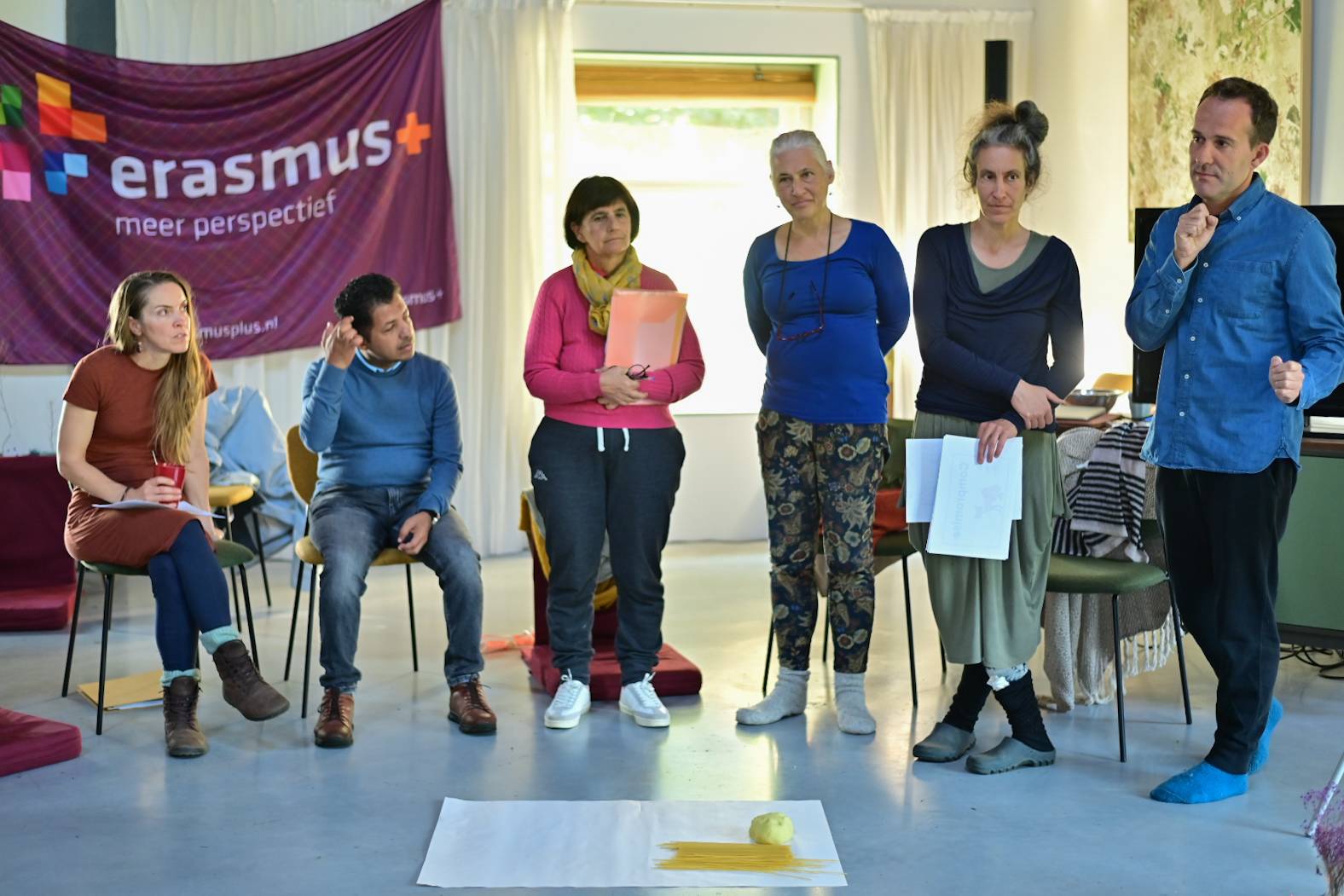
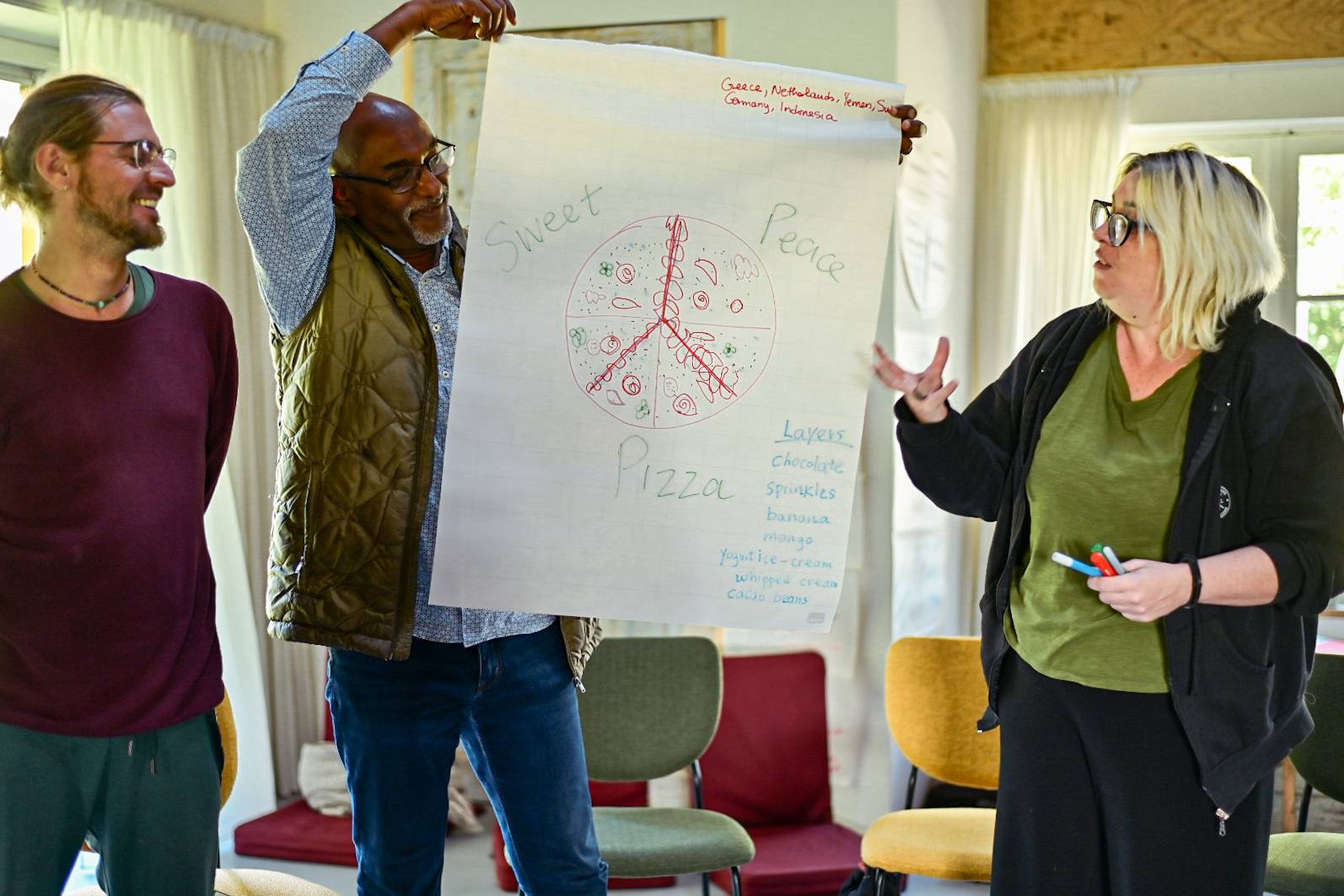
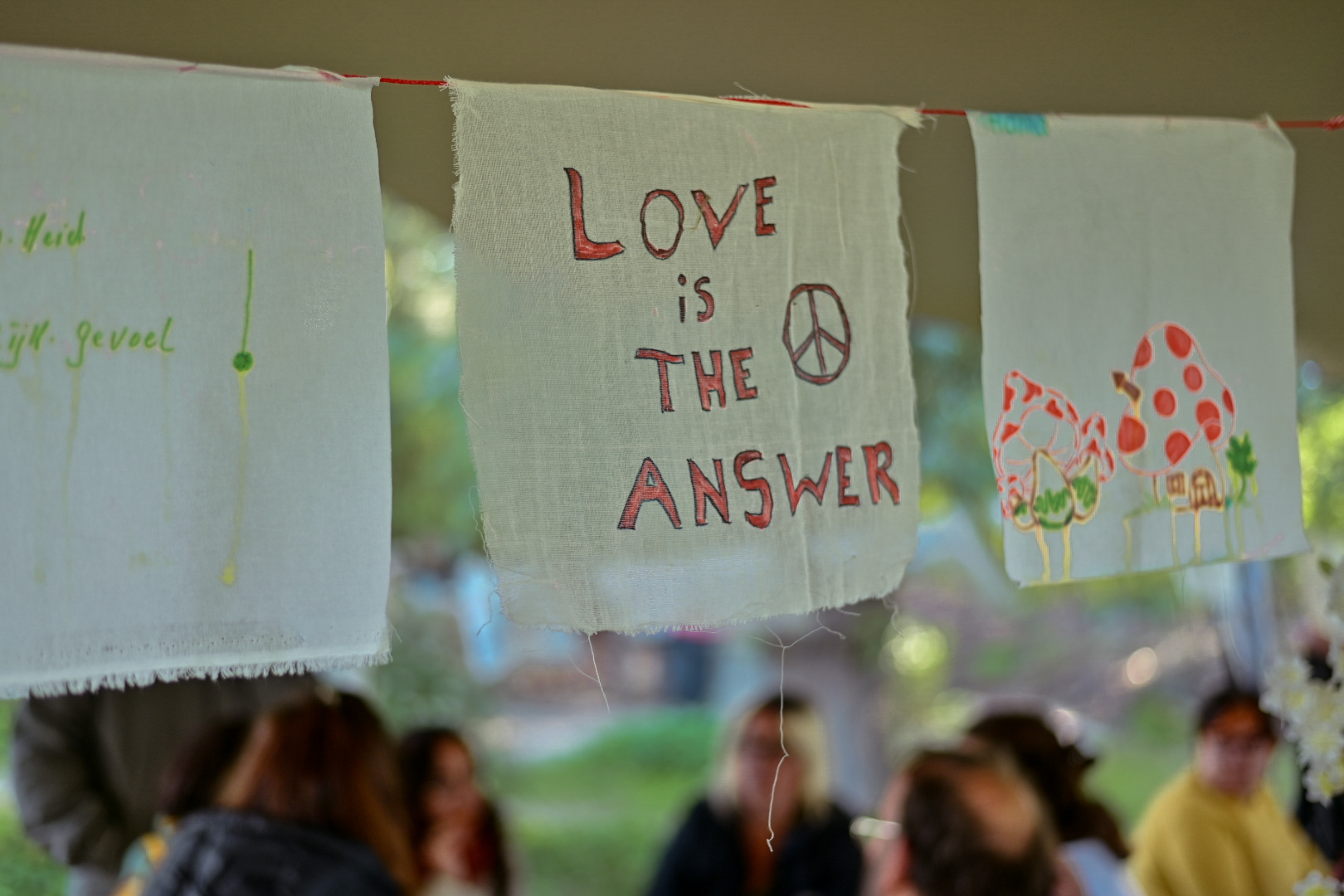
Below are pictures and the program.
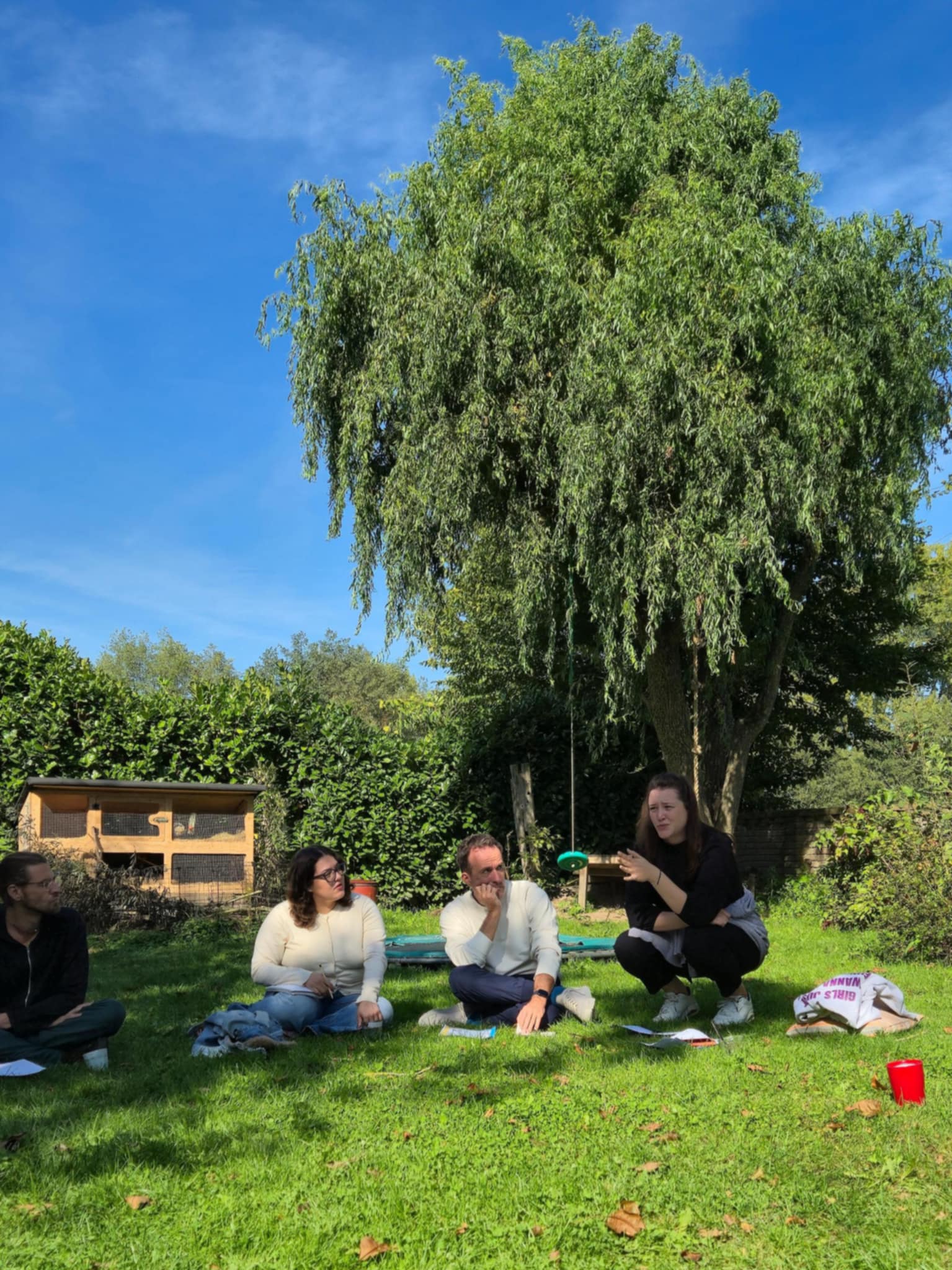

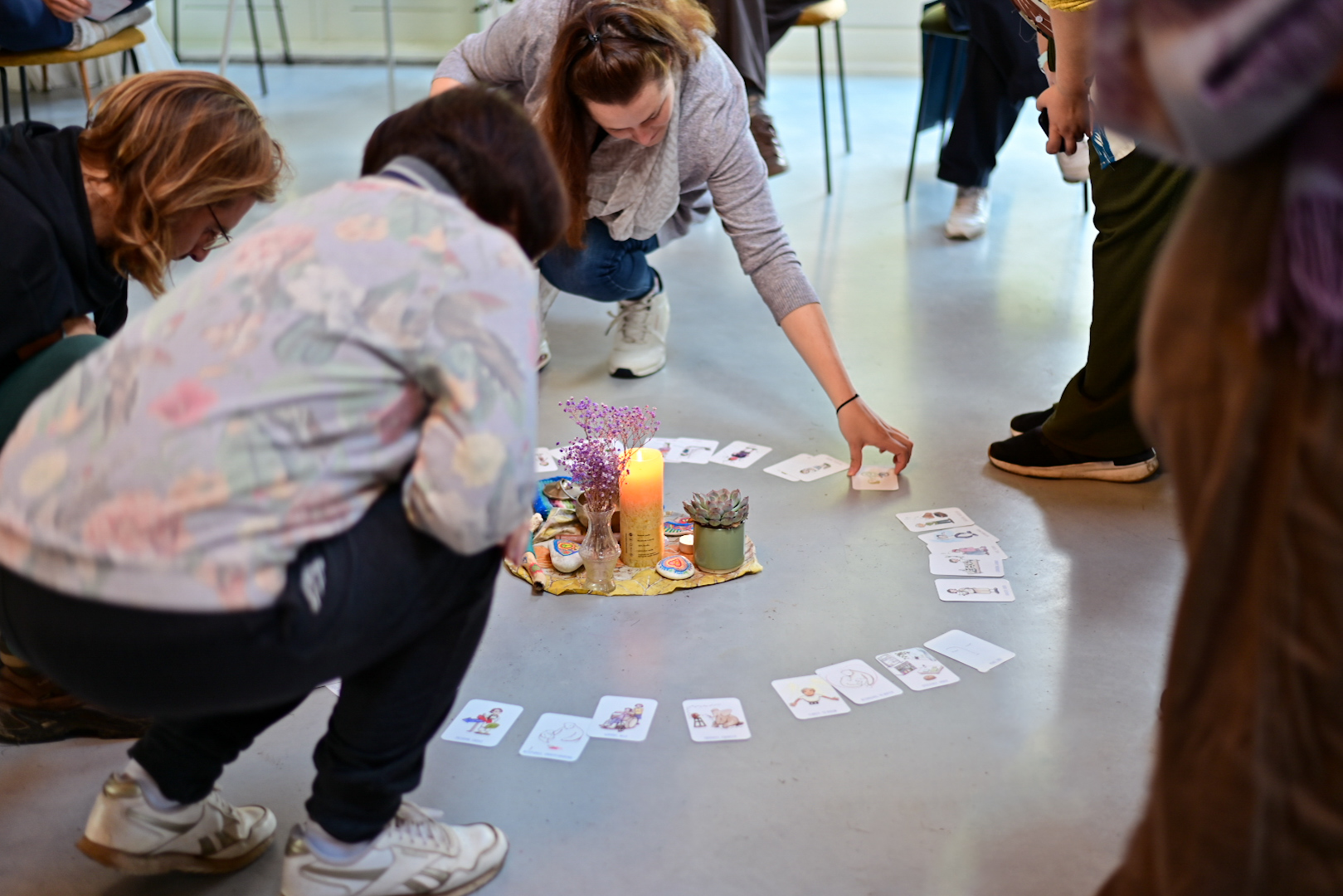
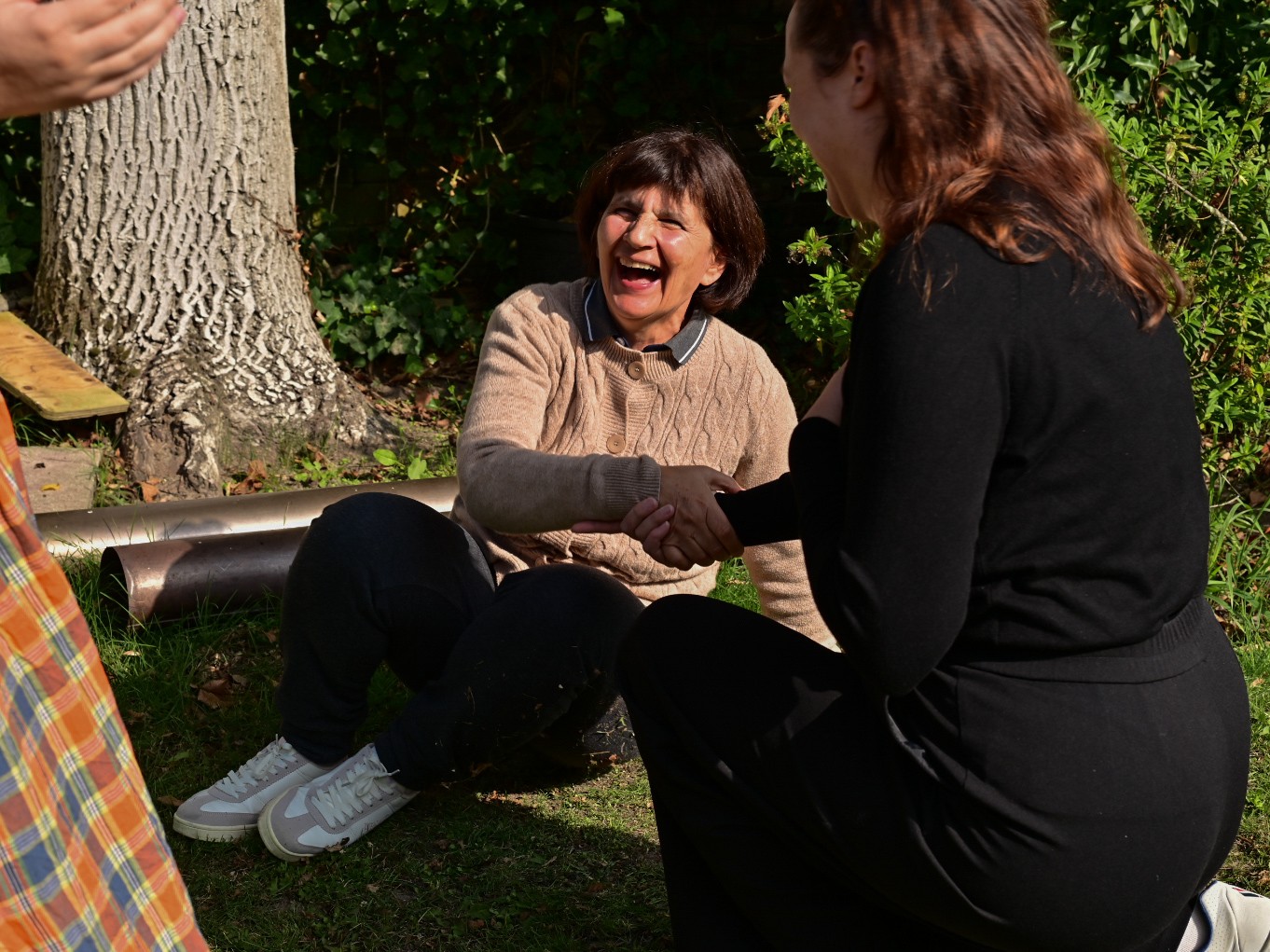
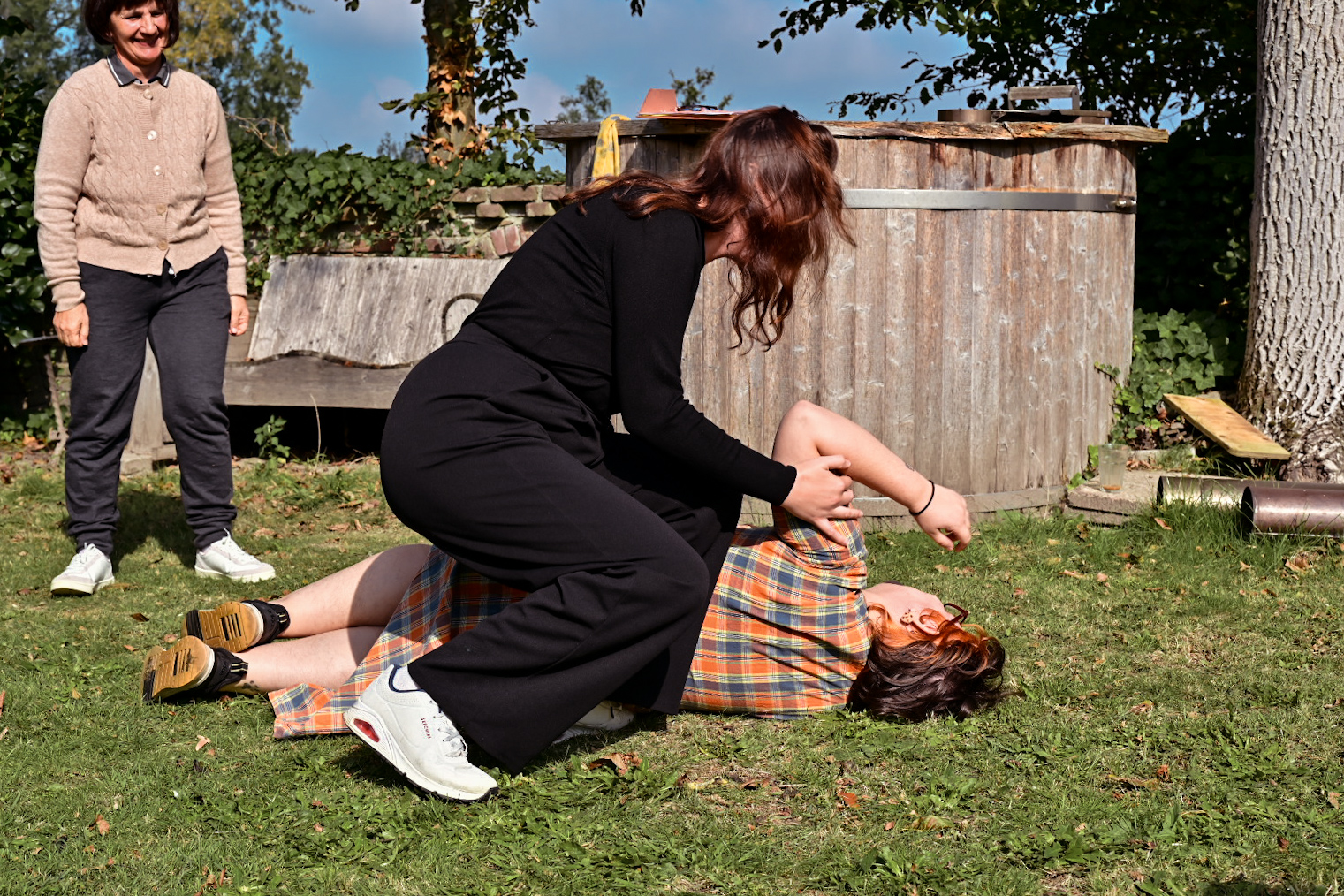
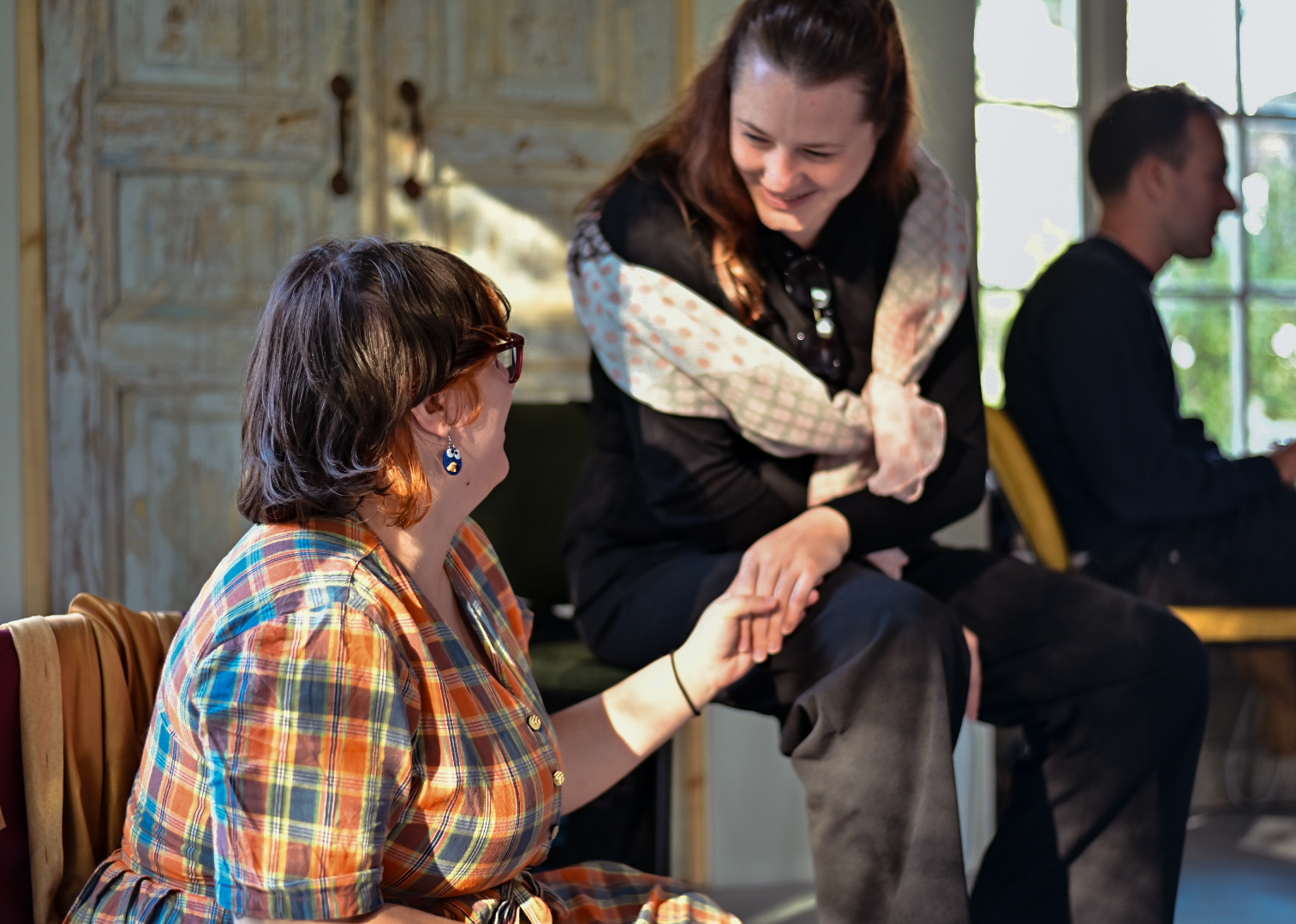


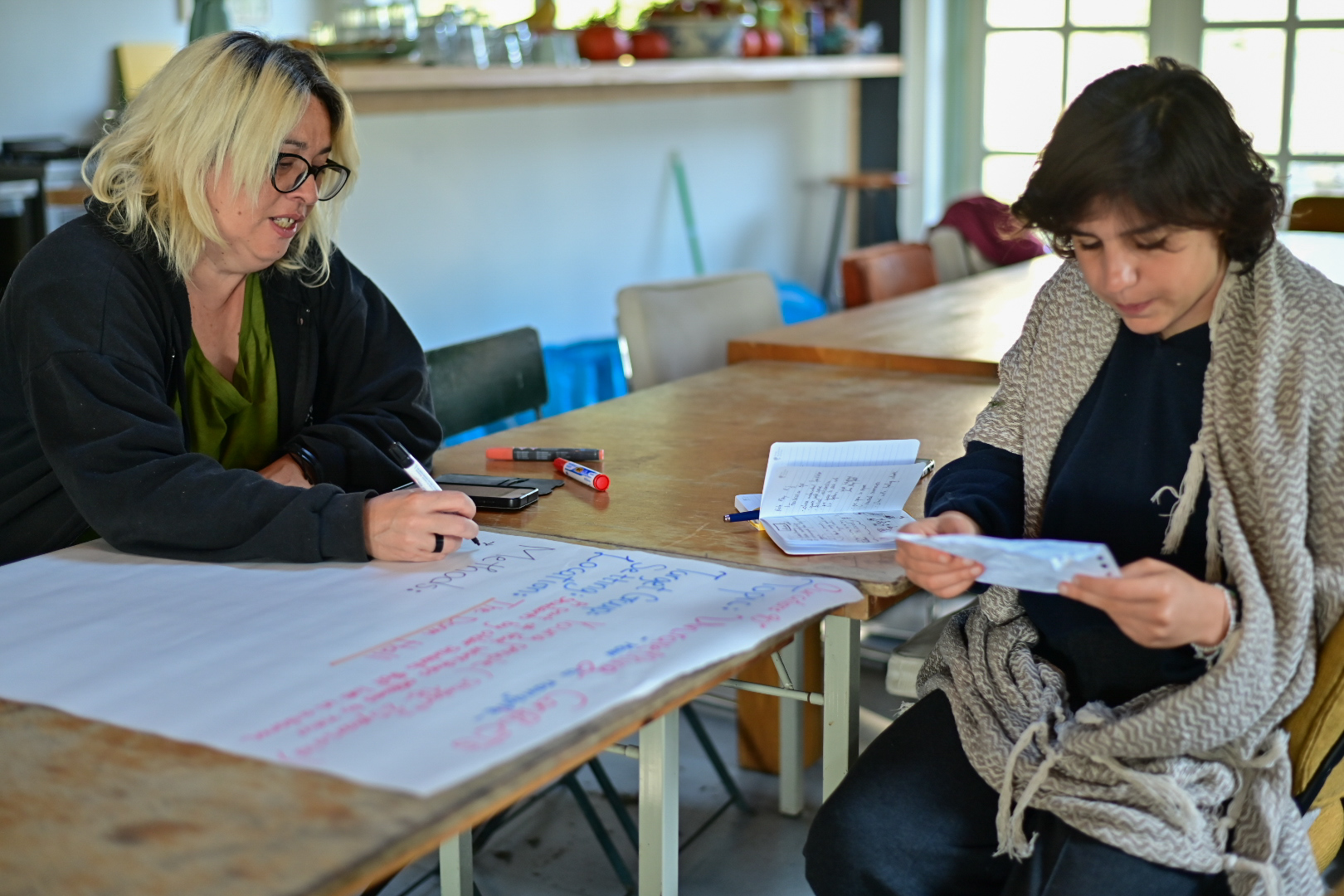

The participants have done workshops in their home countries to share what they’ve learned. Some of them formed teams, while others did the workshops alone. In total this resulted in eight workshops in the first Multiplier period.
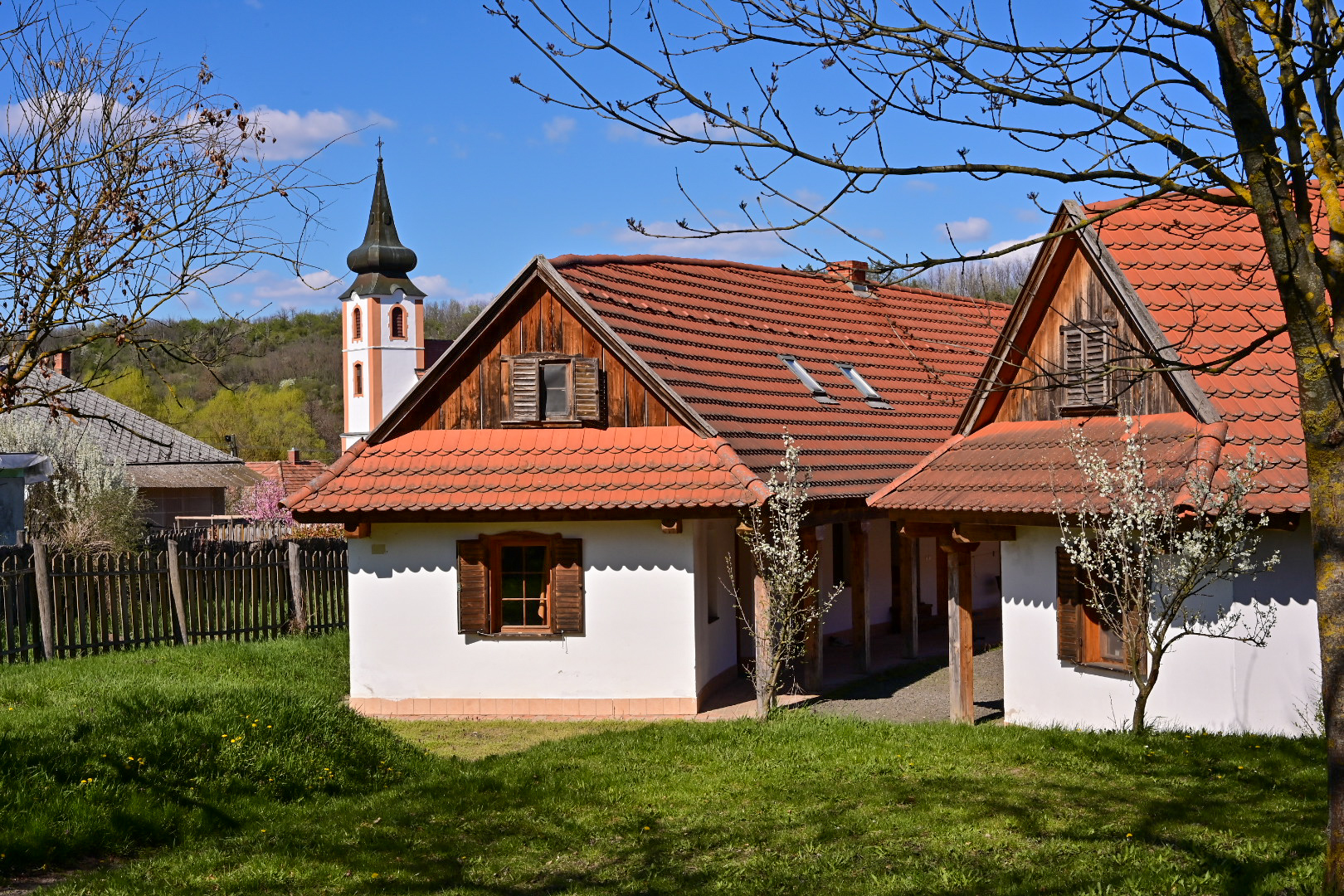
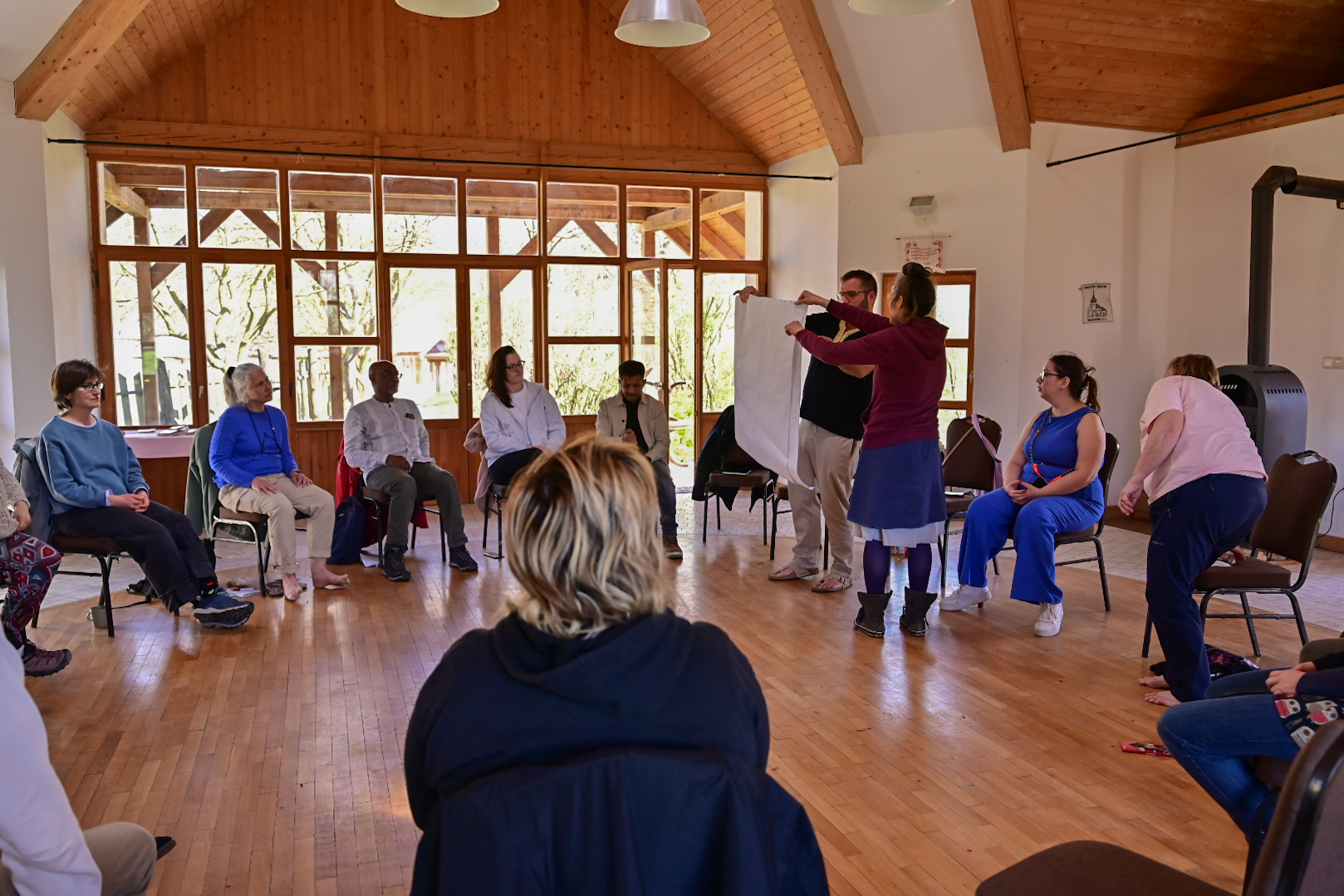
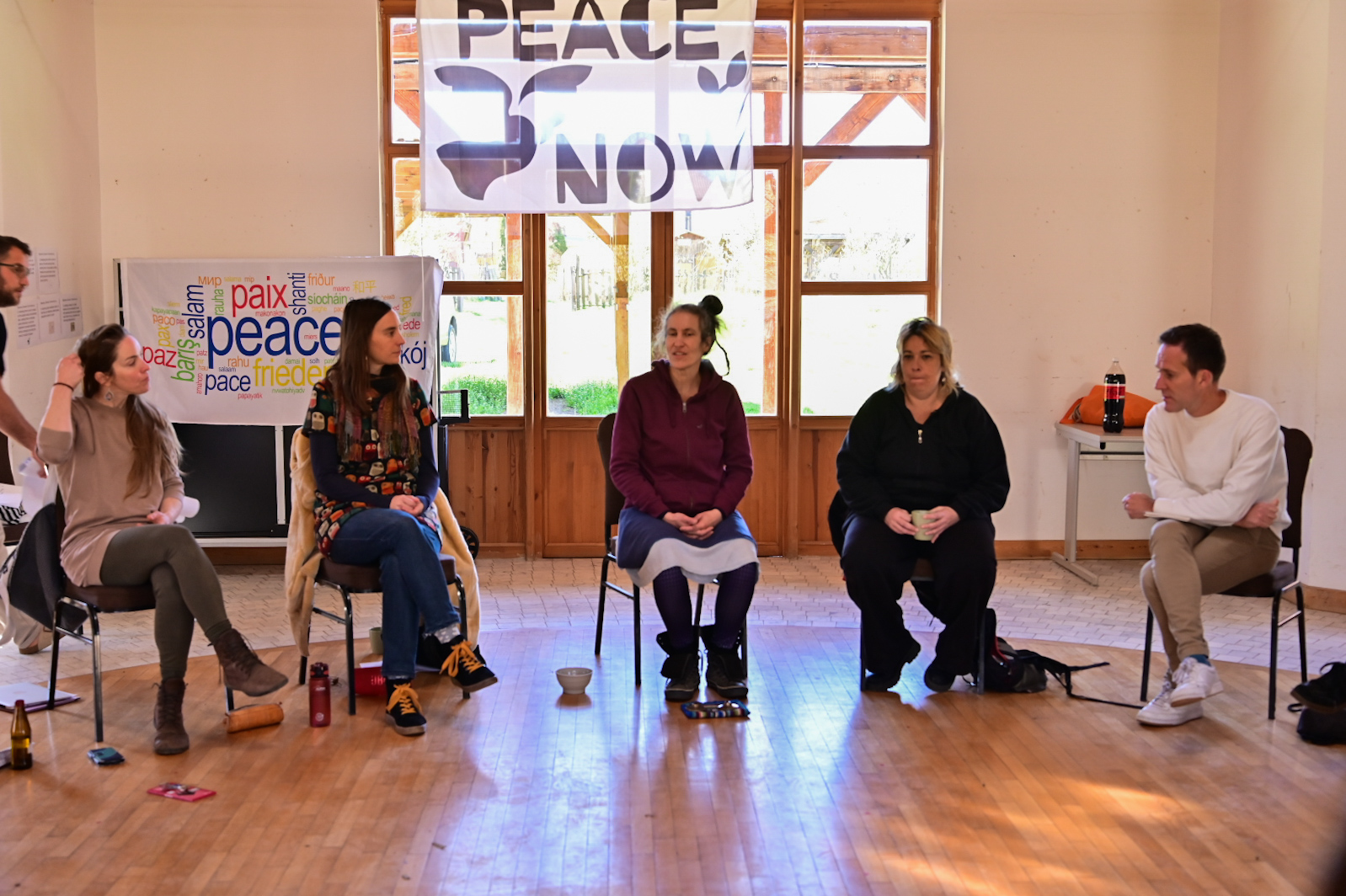
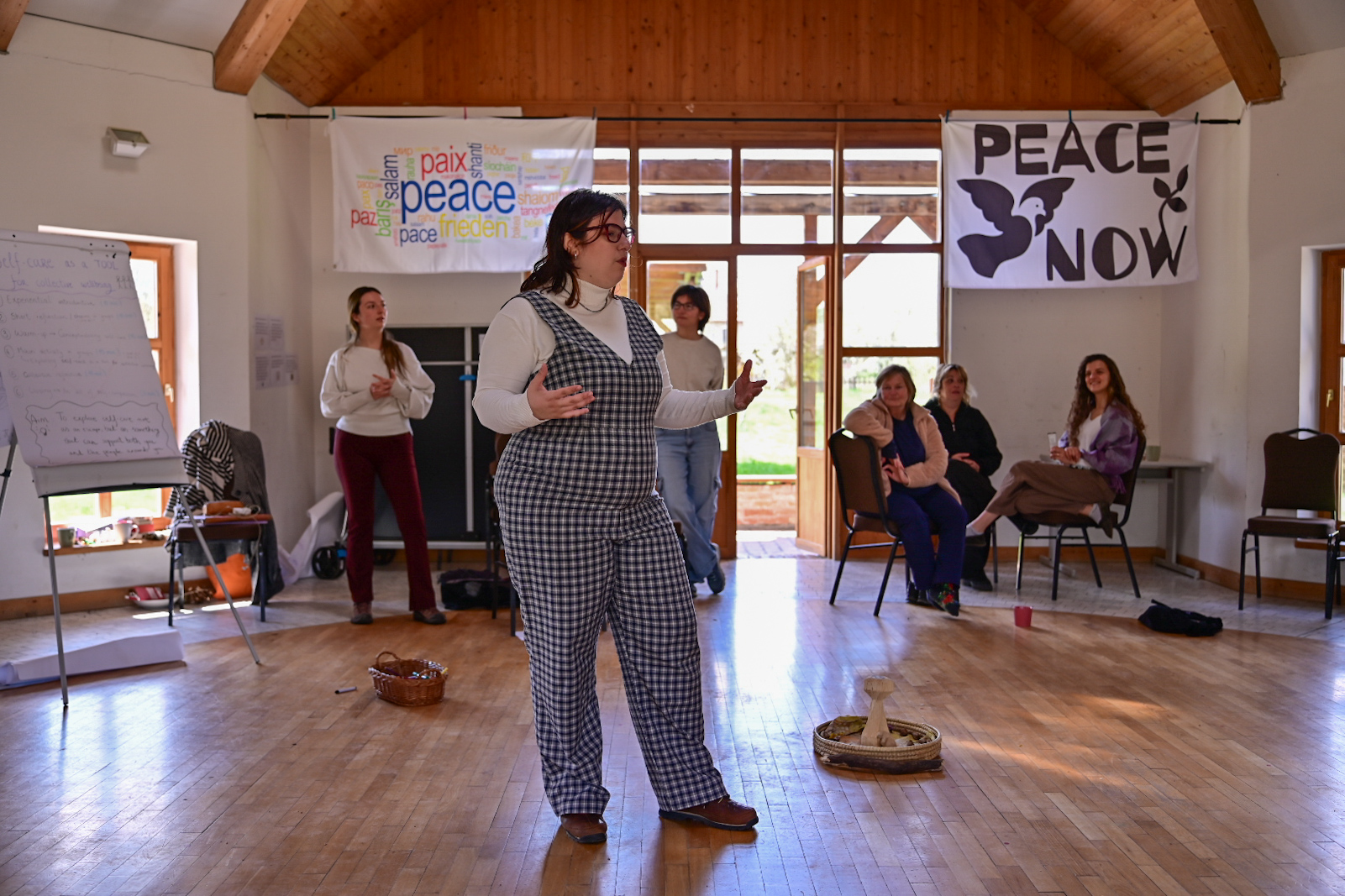
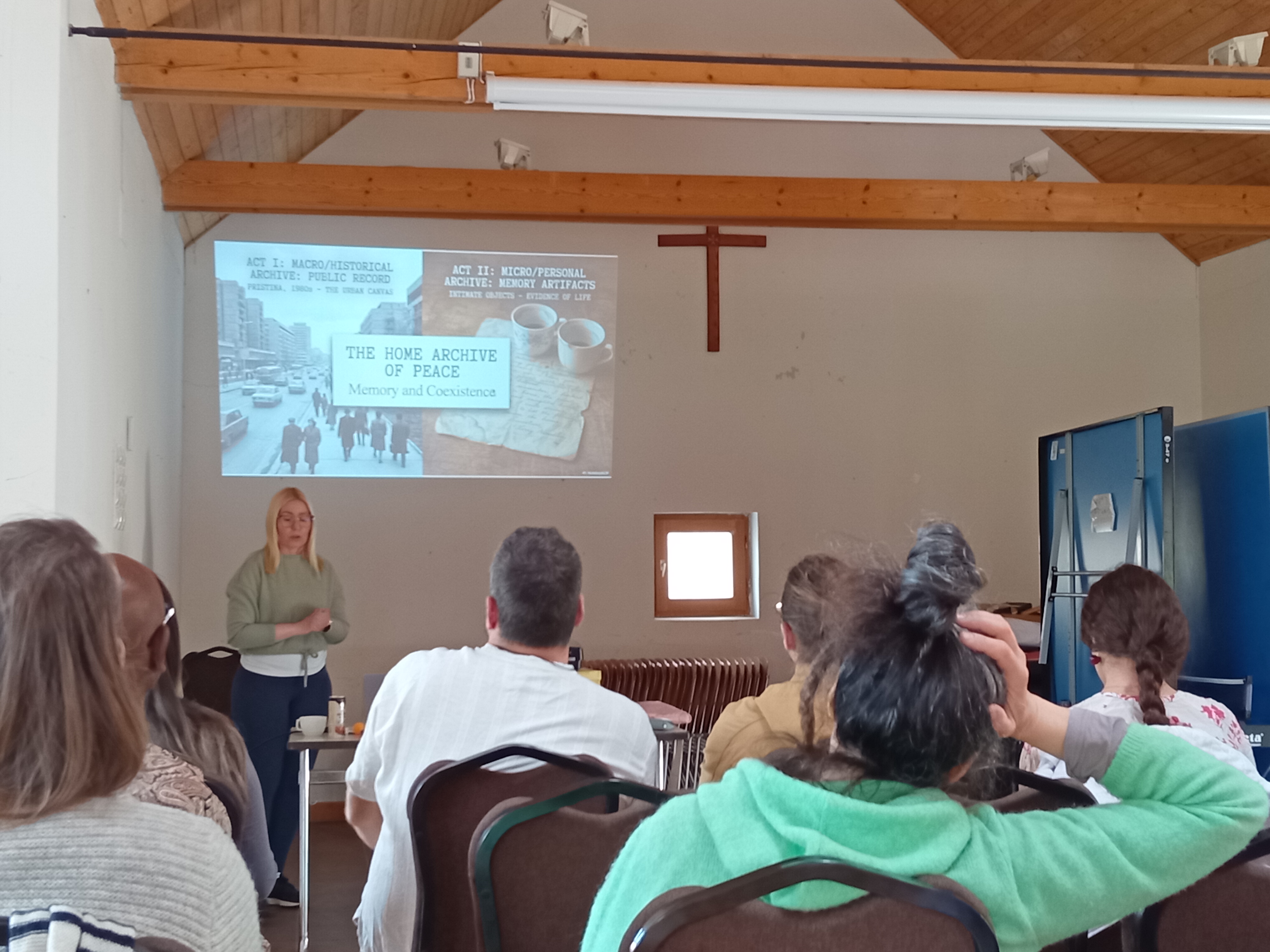
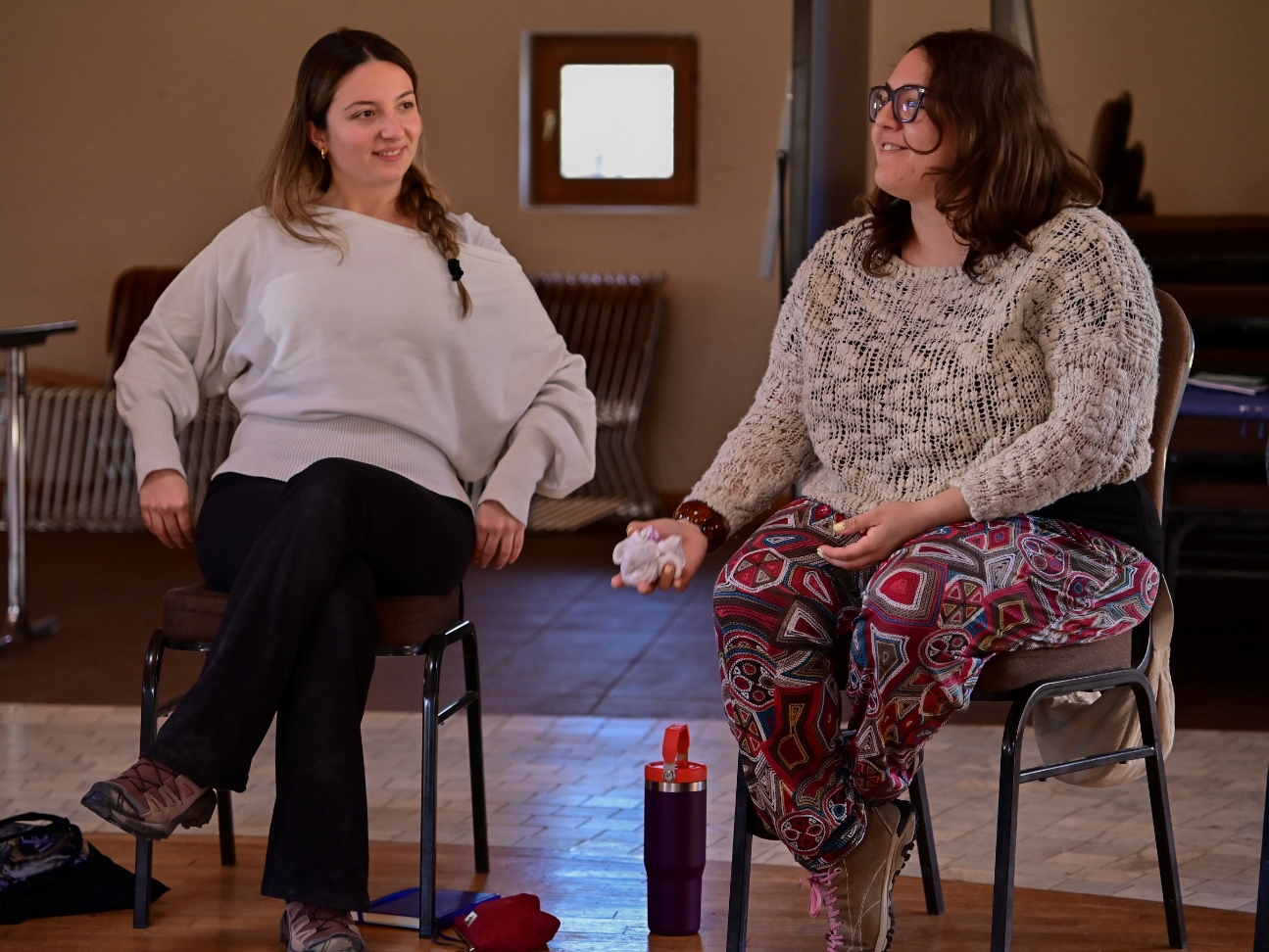
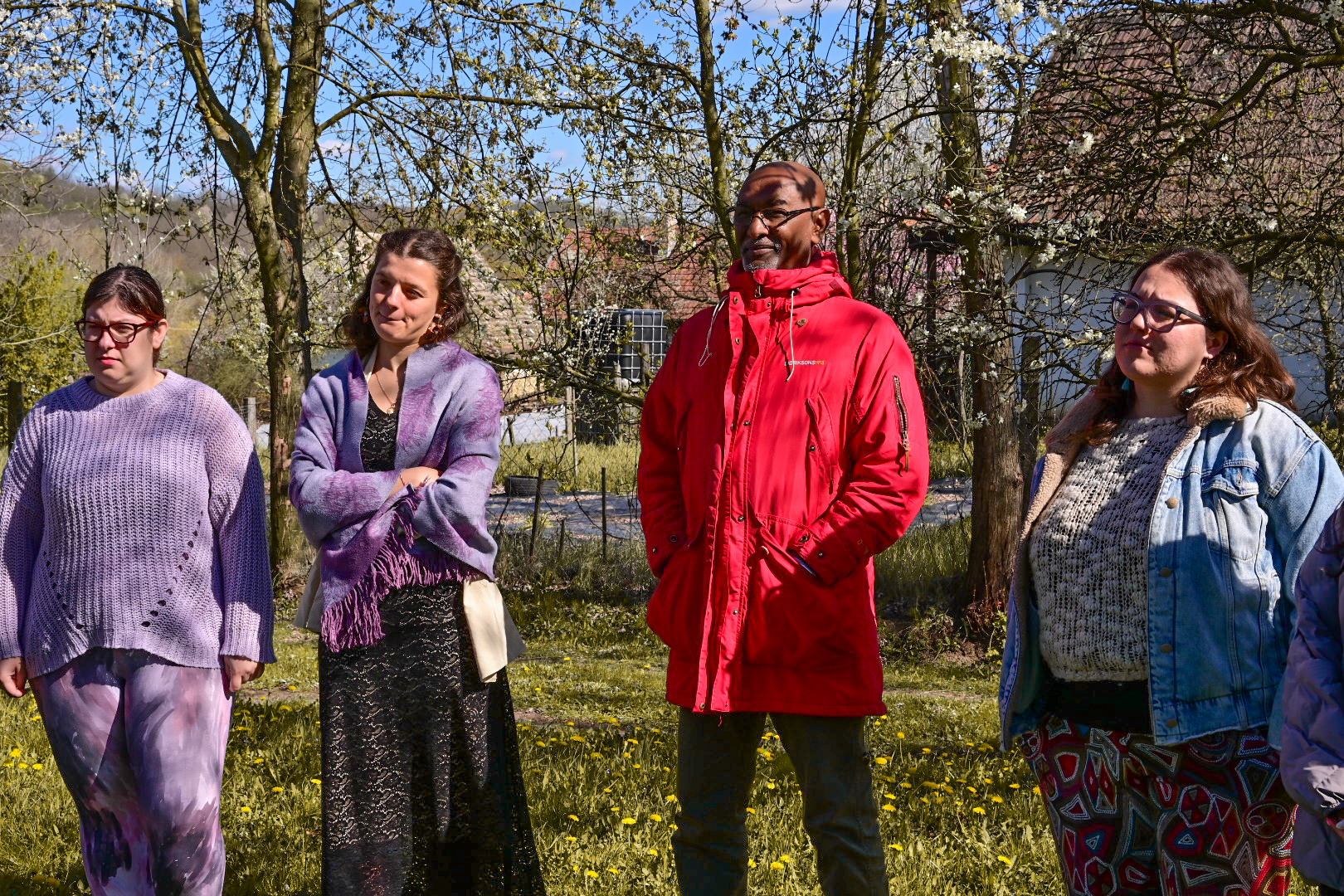
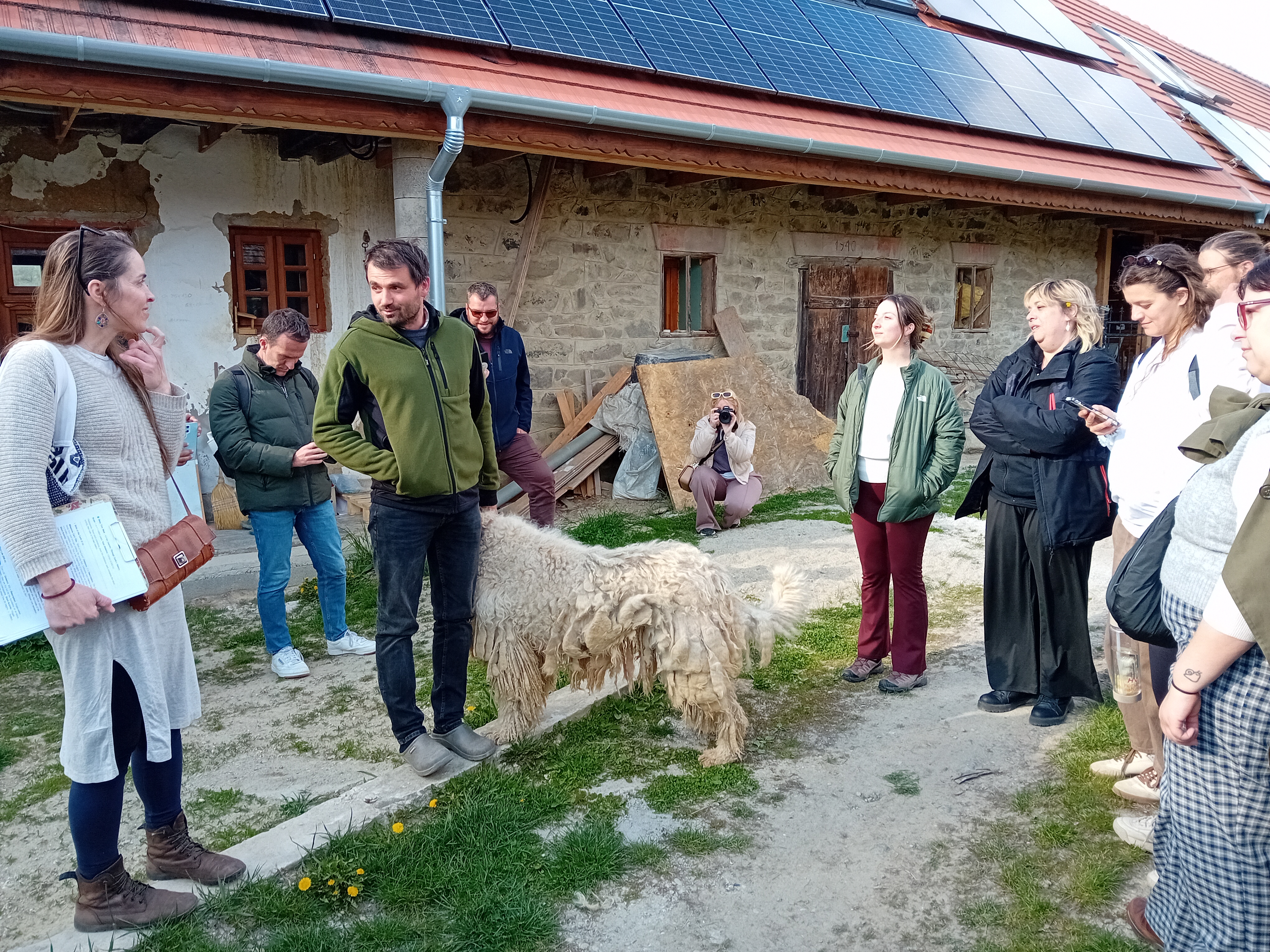
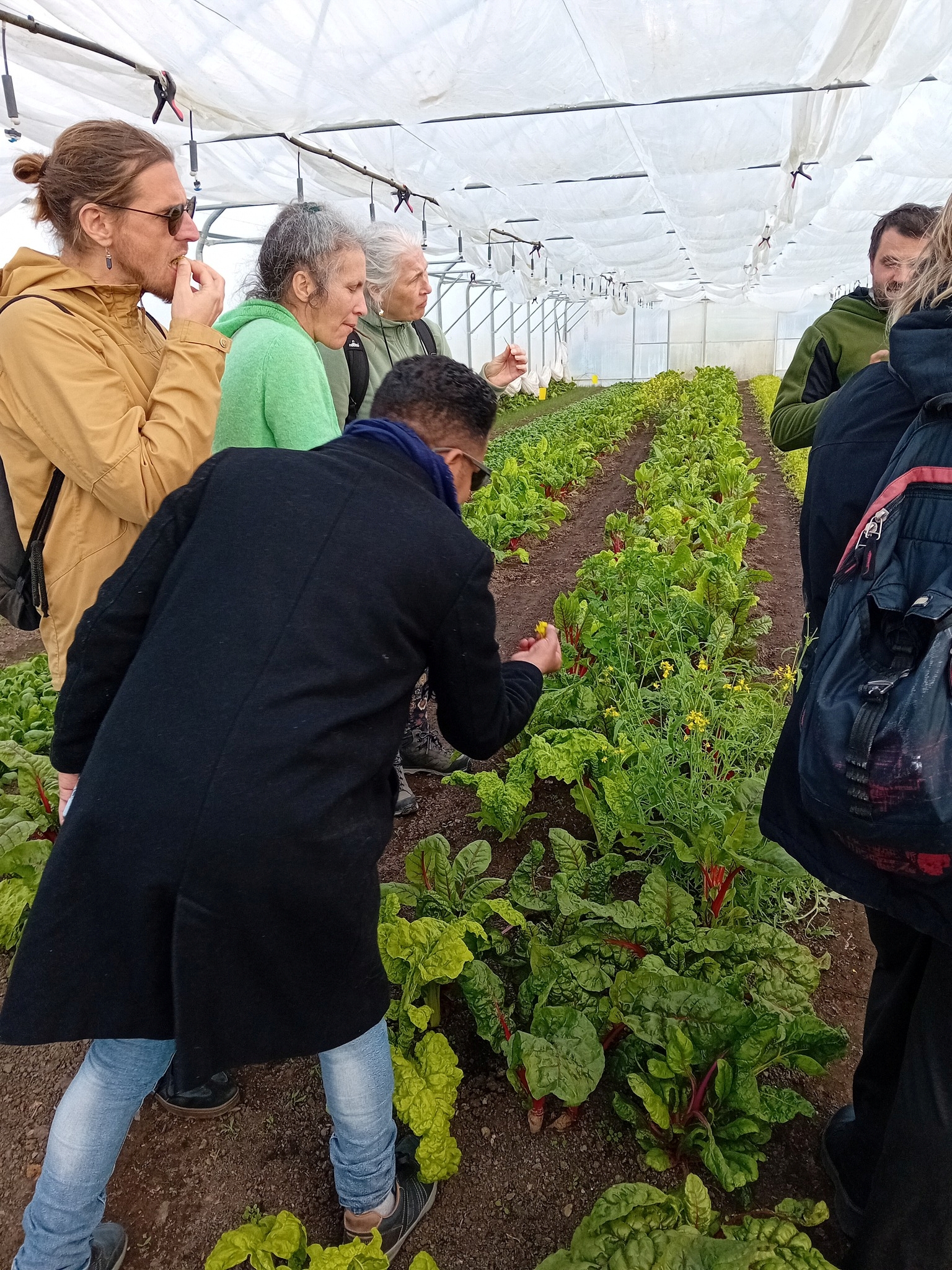
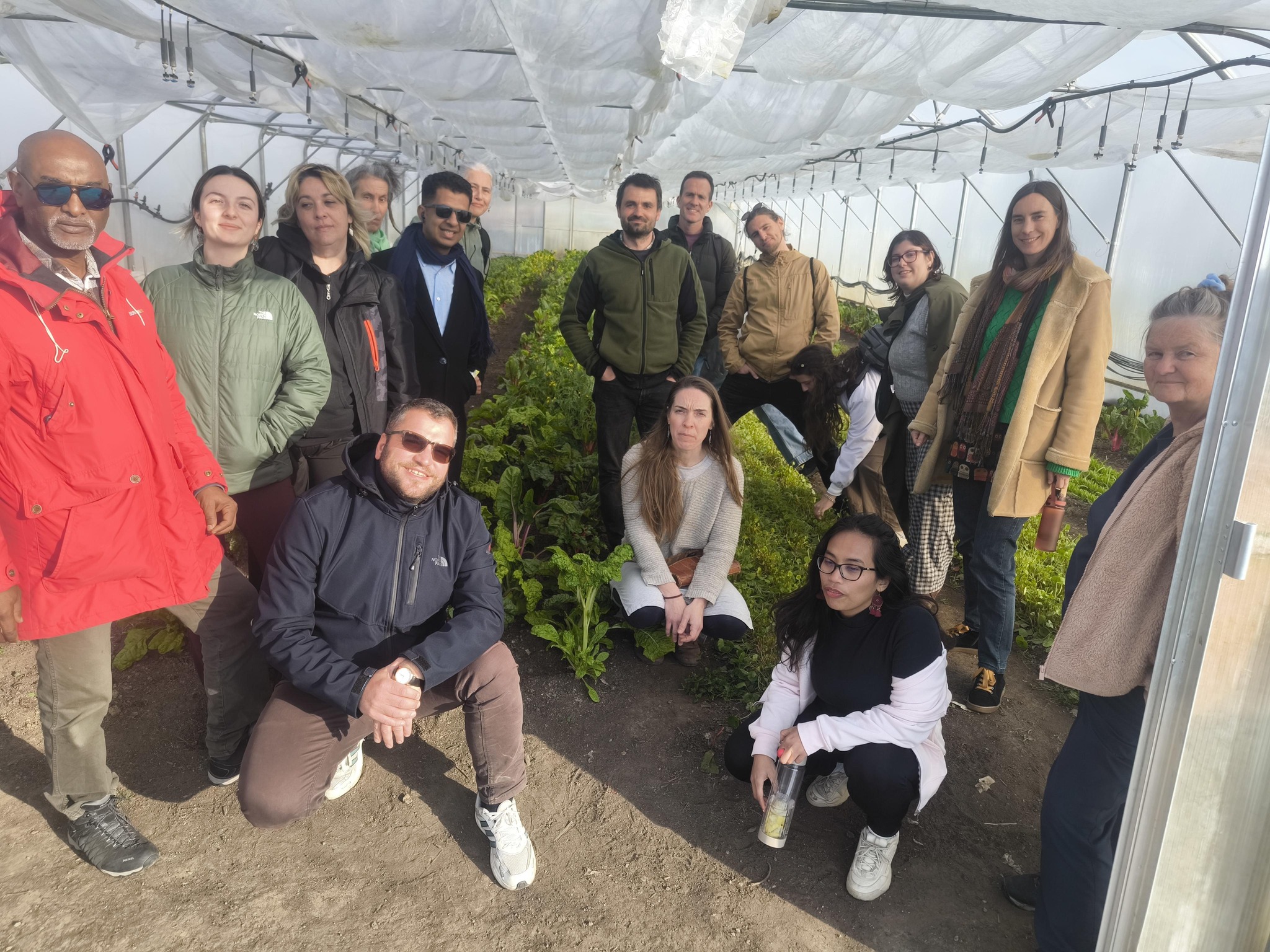
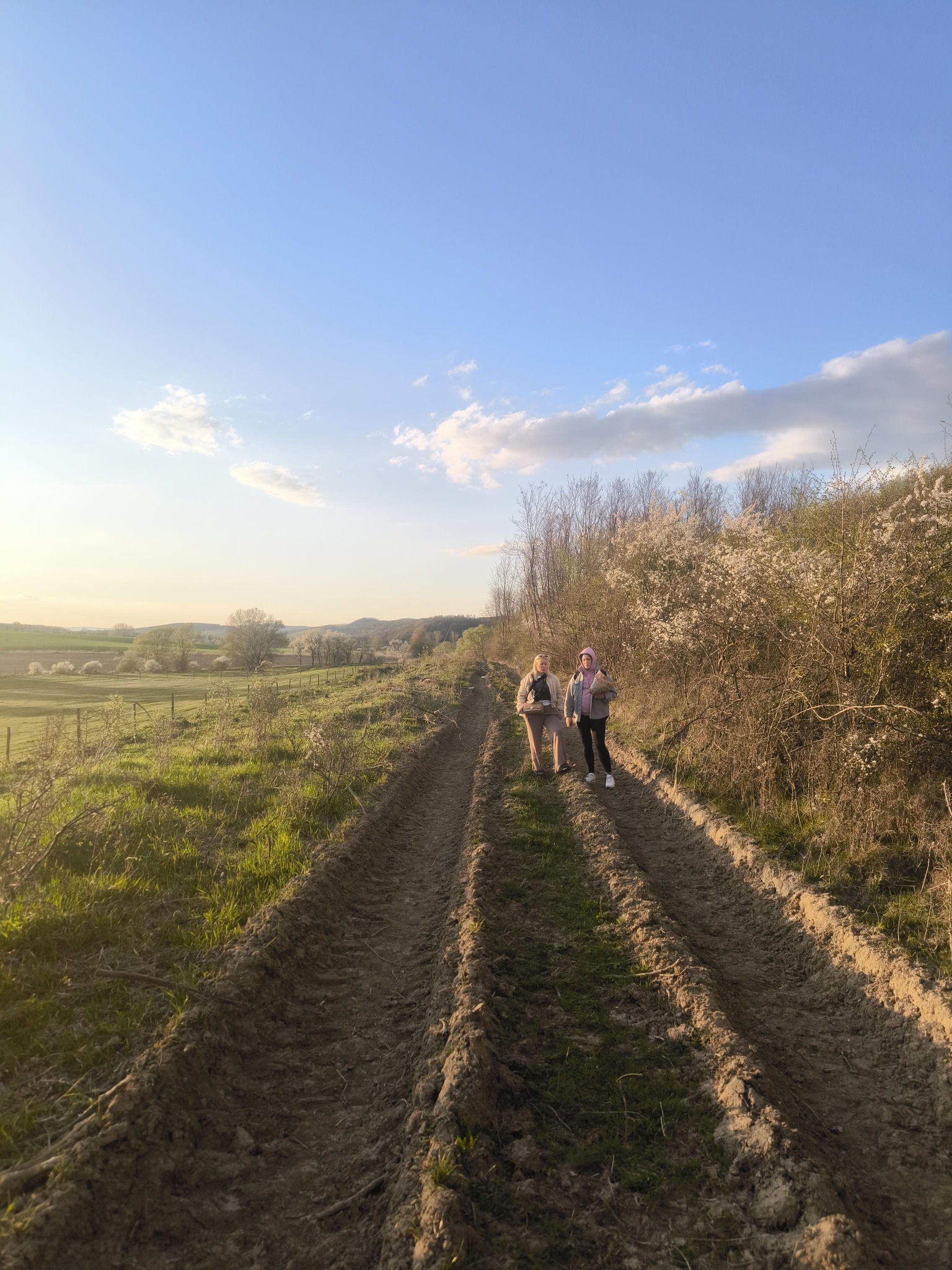
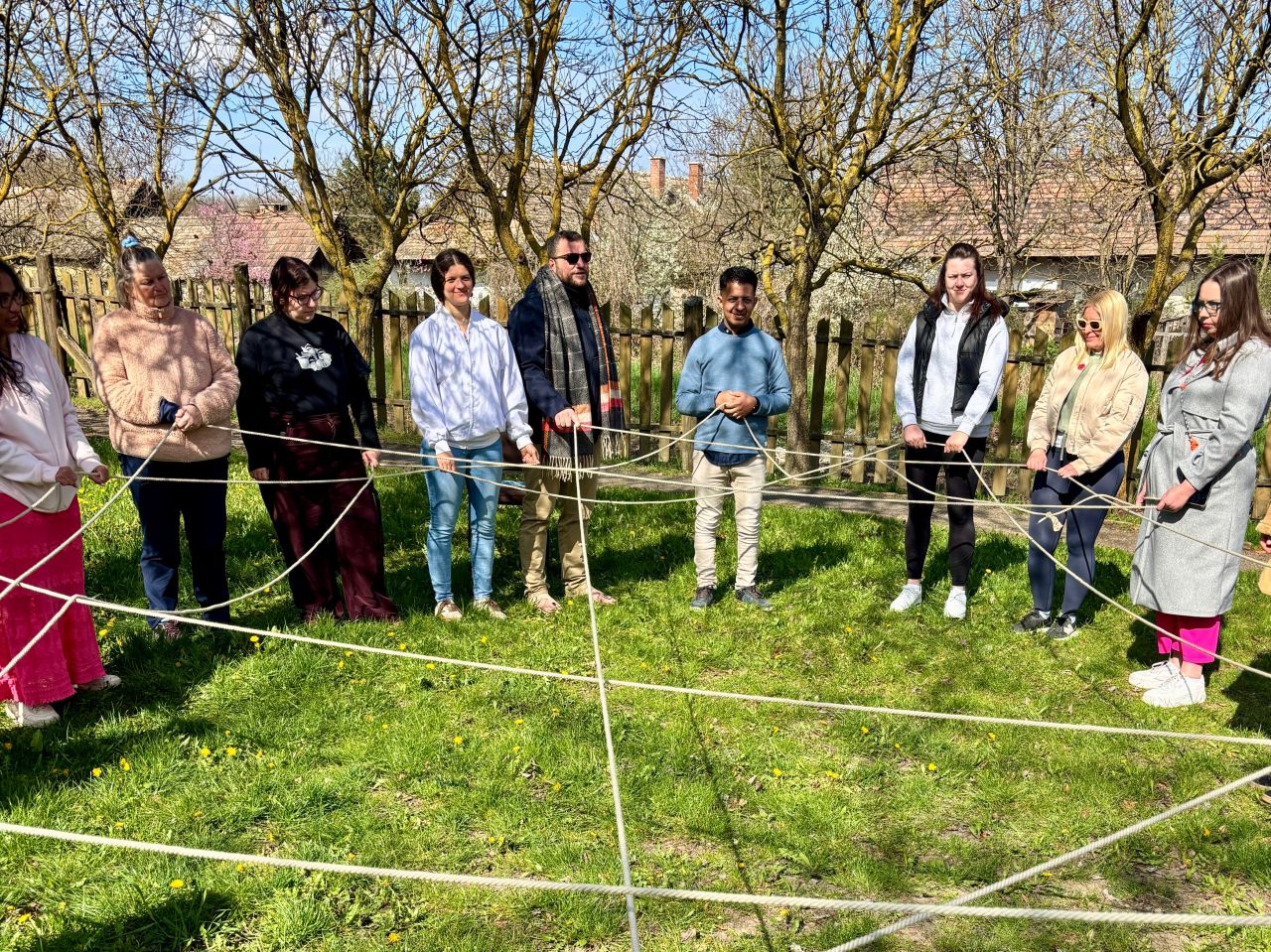
The second training in Hungary was from the 7th till the 11th of April, in the village of Tereny. This time we focused on the third and fourth direction of The Peace Compass: peace in our society & culture and peace with the earth. We also gave participants the opportunity to facilitate workshops in trios and receive feedback from each other. This full program really boosted people’s confidence to implement peace education activities and return home with even more tools and experiences.
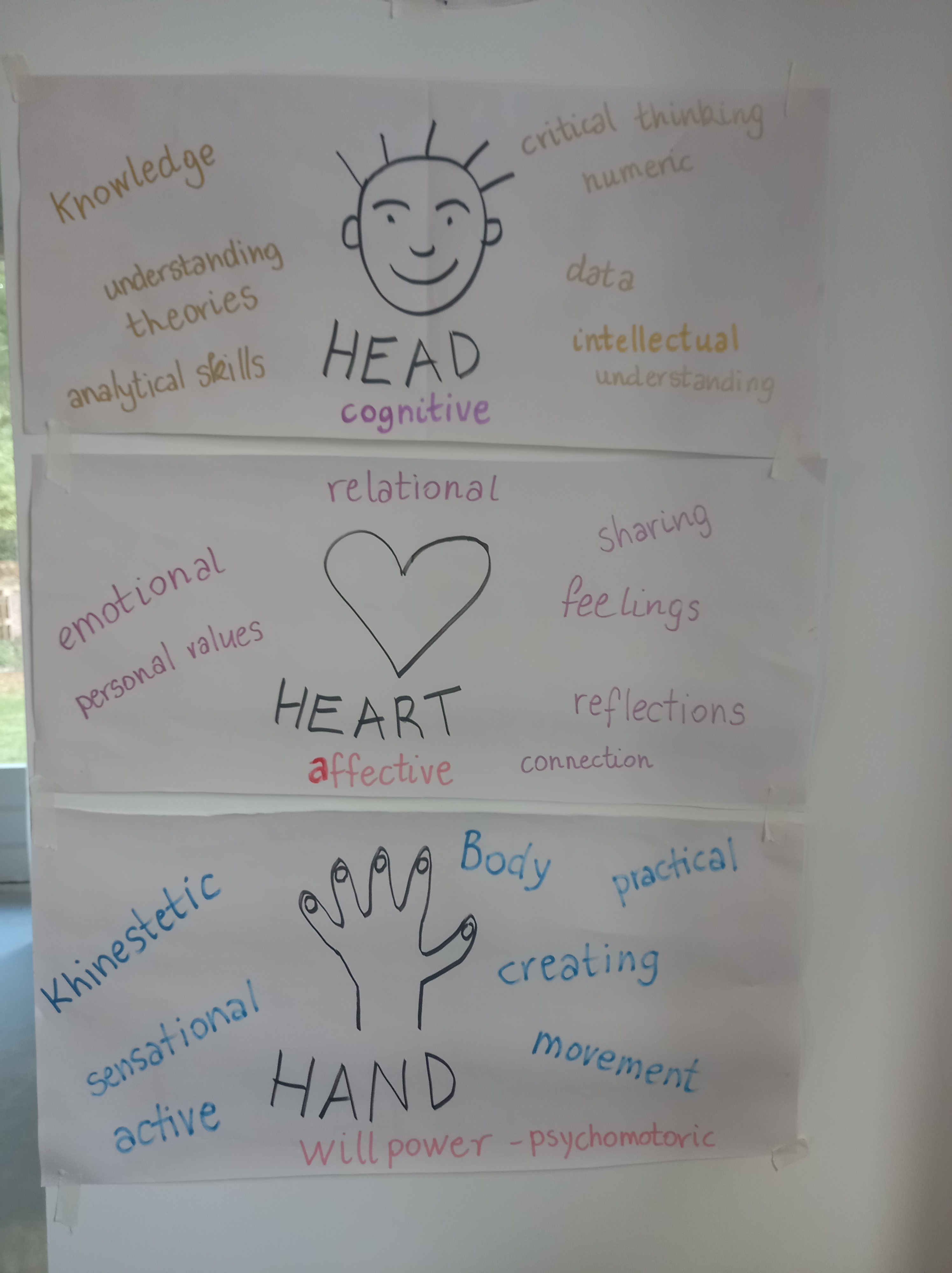
🎨We worked again with the Kolb learning cycle and the Head Hart Hands model to design workshop sessions
🌍Drawing inspiration from deep ecologist Joanna Macy, we structured the training around the Spiral of The Work that Reconnects: grounding in gratitude, honoring the pain of the world, seeing with new eyes and going forth.
🤝Participant workshops ranged from connecting self-care to caring for nature, participatory museums, story telling, food waste & scarcity and involving youth in working on climate change.
💖 We practiced how to give constructive feedback
🕊️ We got the see very local examples of peace work at a biological farm and a green school
🐾 We learned to look at things from a non-human perspective and ‘deep time’
📢 And we analysed how to set-up an effective nonviolent action campaign
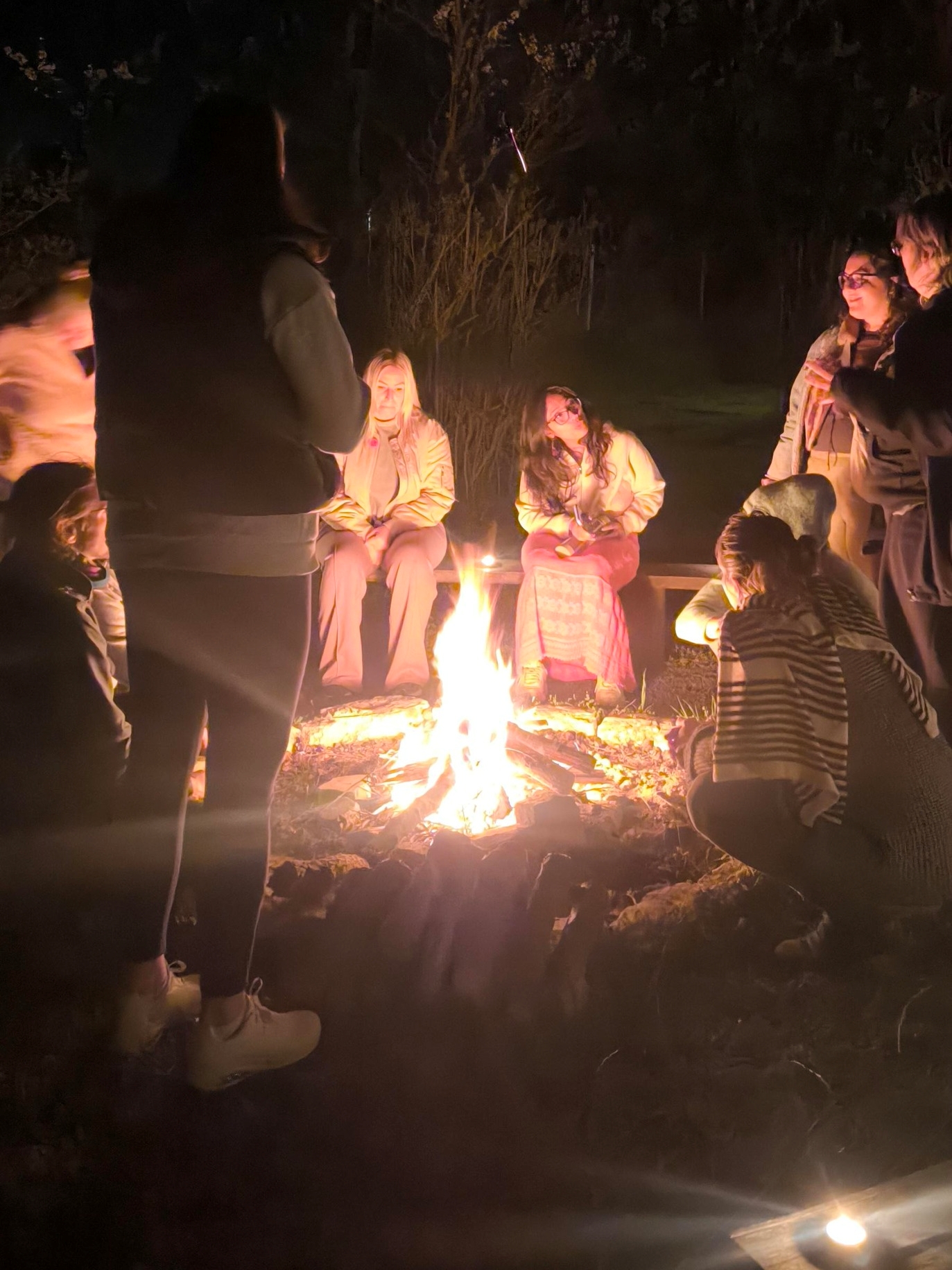
🔥Despite the busy program, the evenings were used to play games and have a camp fire, and some participants even made delicious Easter bread and tiramisu!
🫶 It was amazing to have the chance to meet with the same group twice and deepen the connection and commitment to peace. This was truly a wonderful opportunity of practice, mutual support, empowerment, and solidarity.
🙏 Thank you everyone for this co-creation!
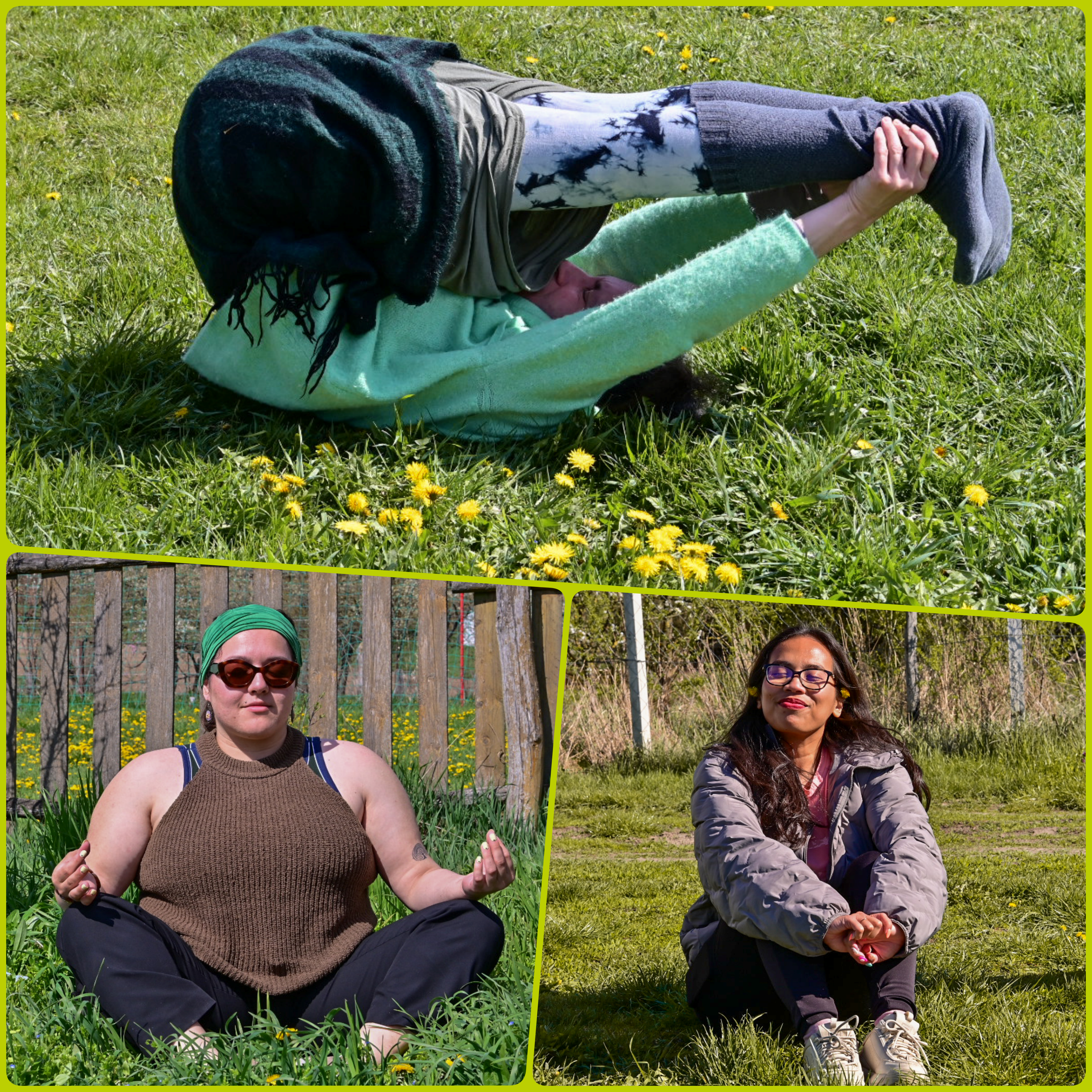
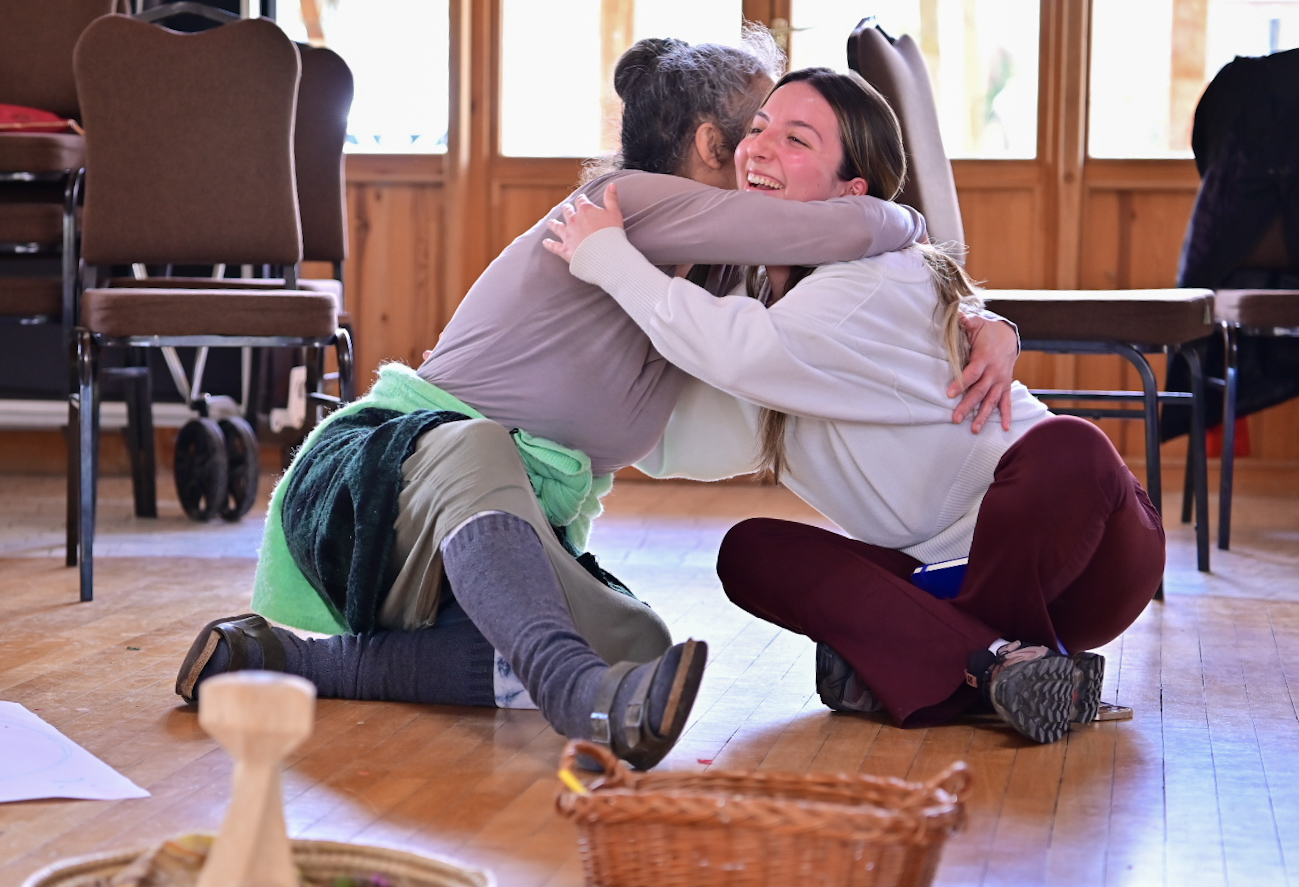
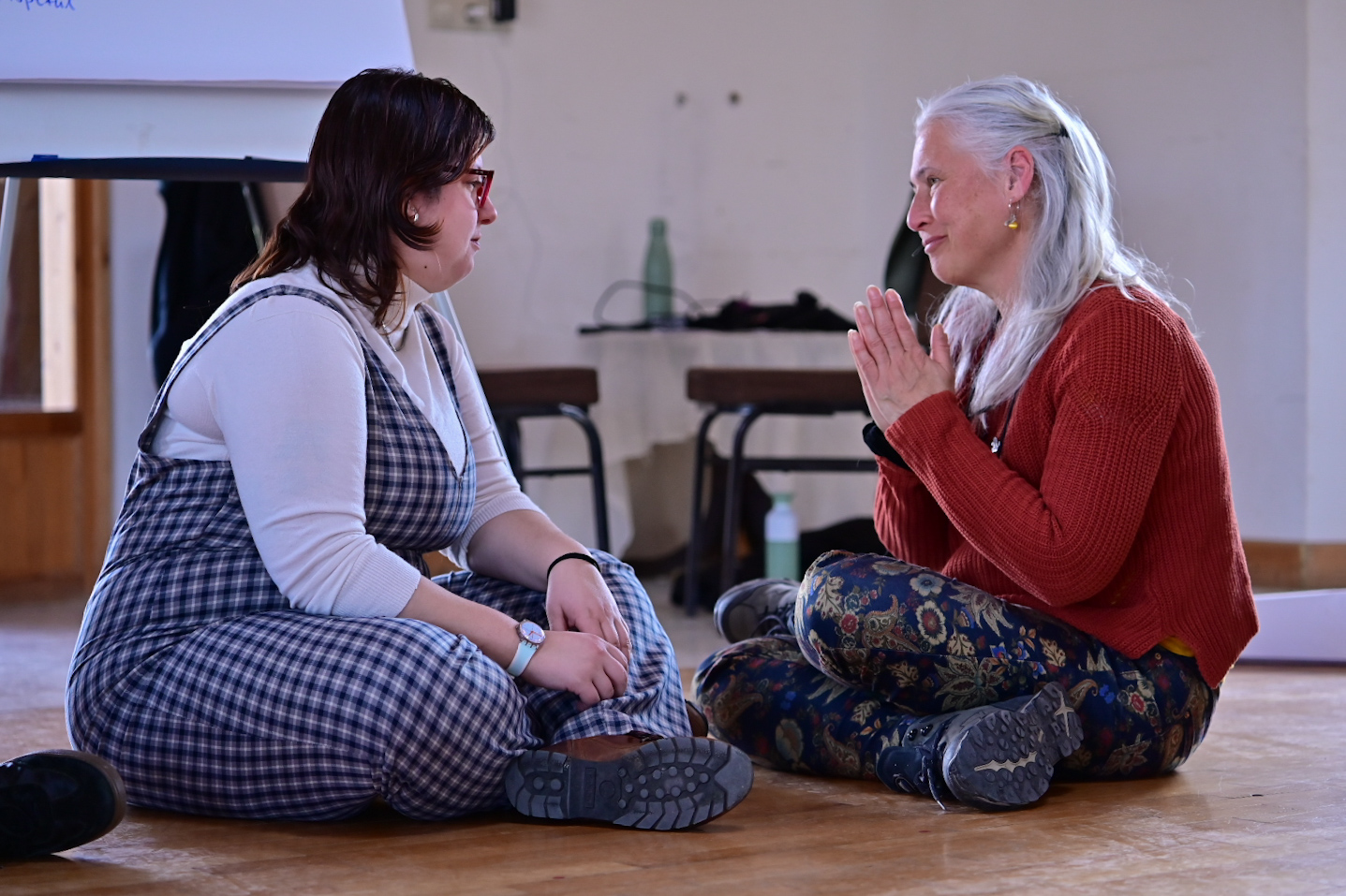
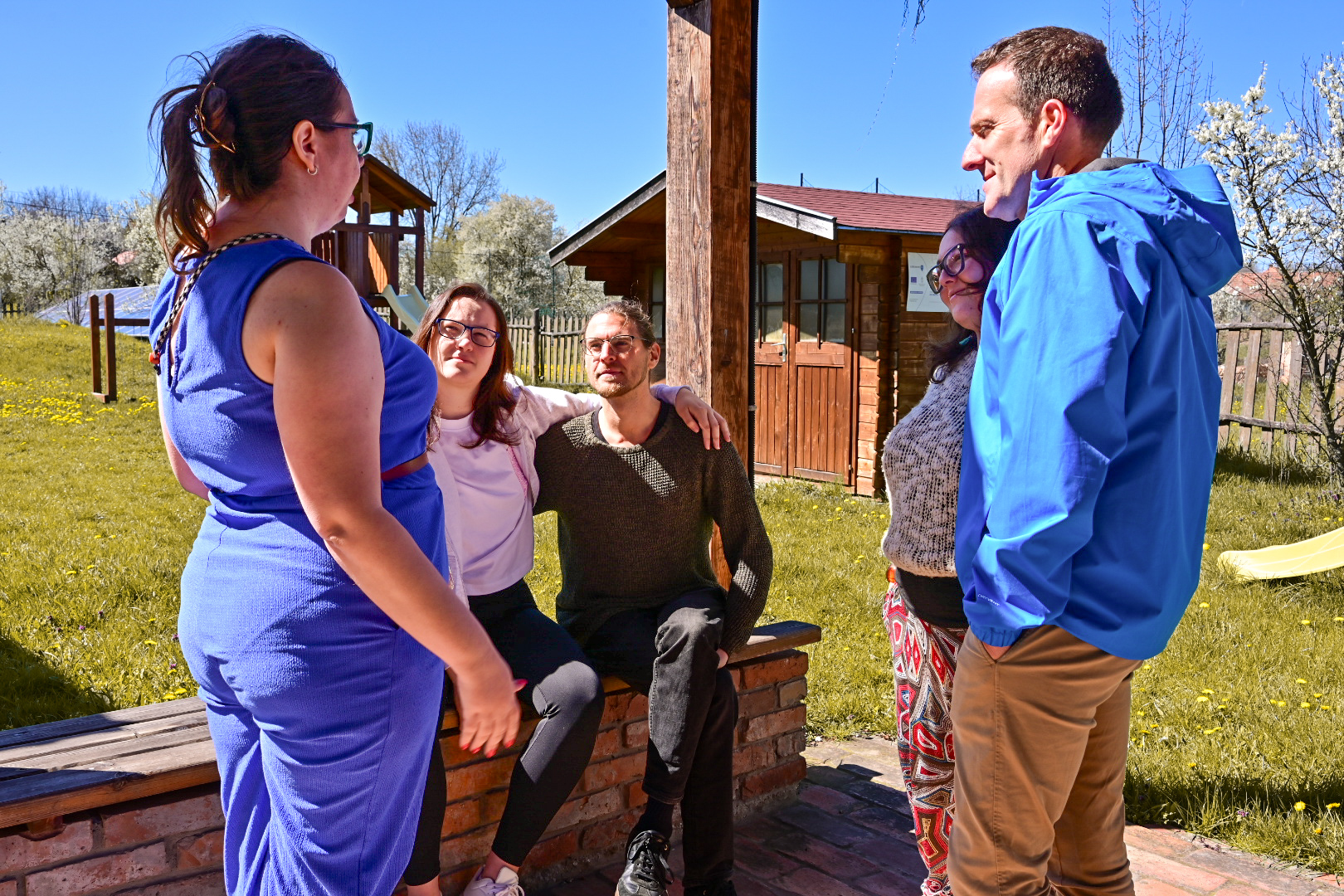
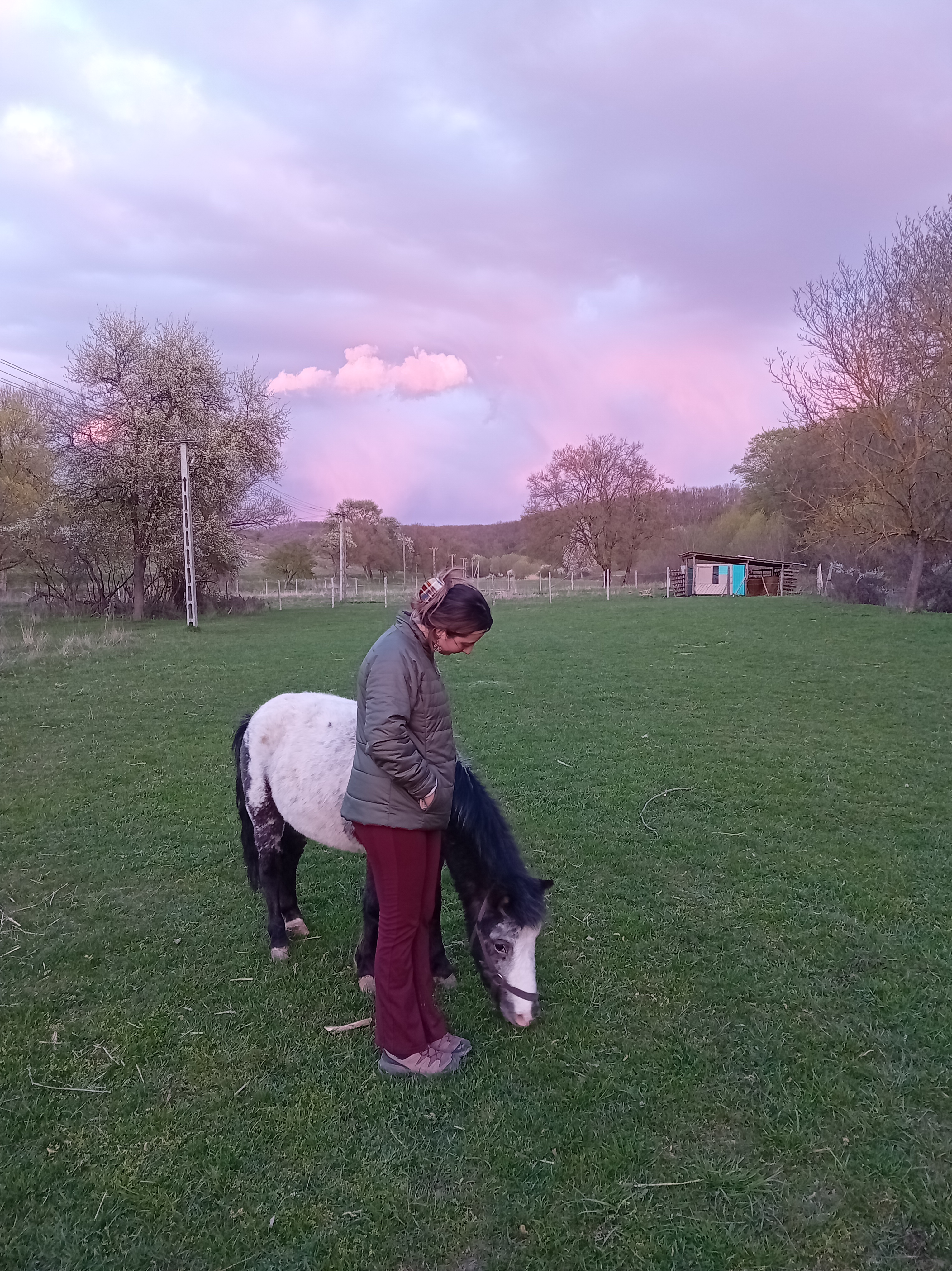
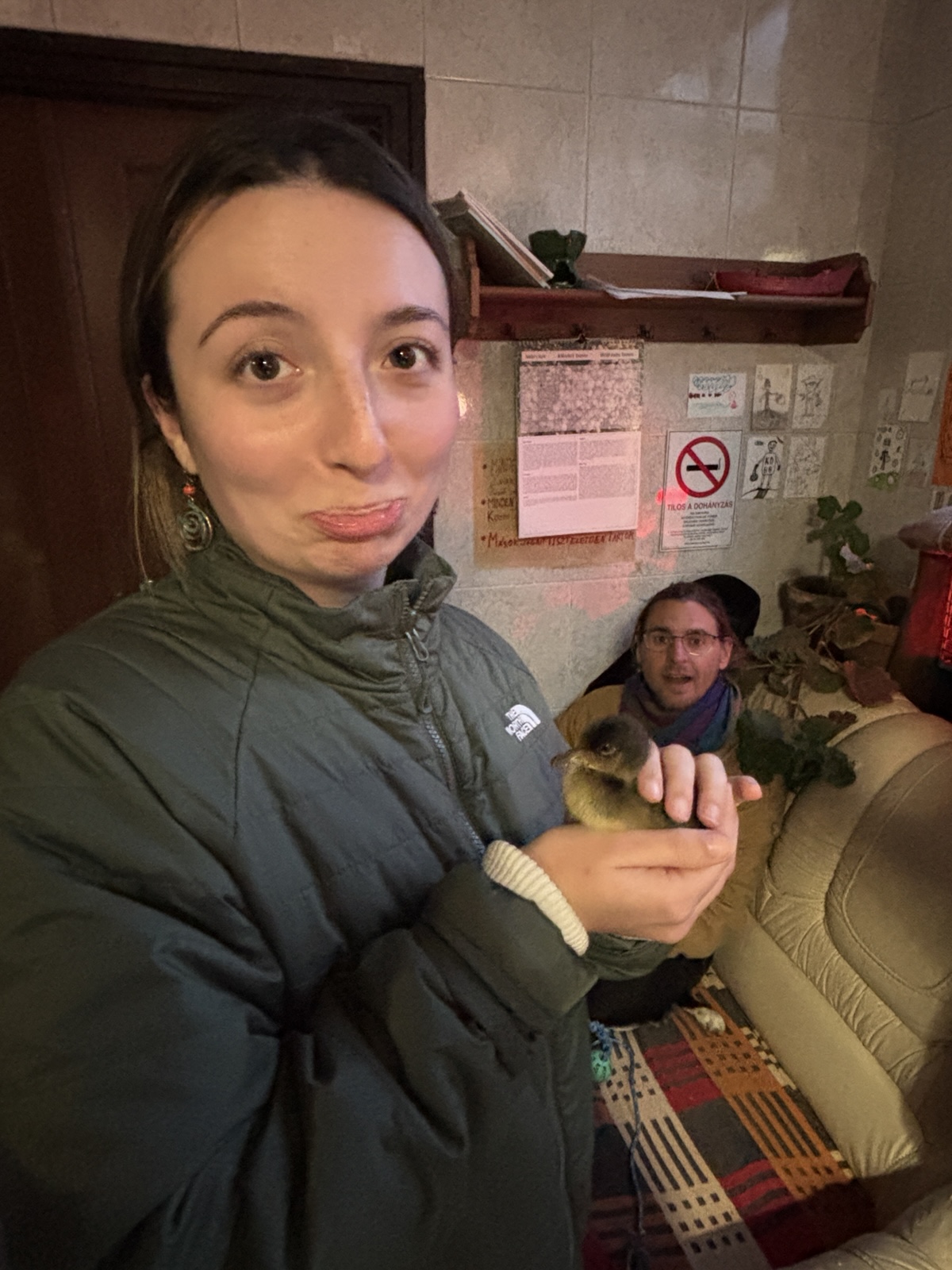
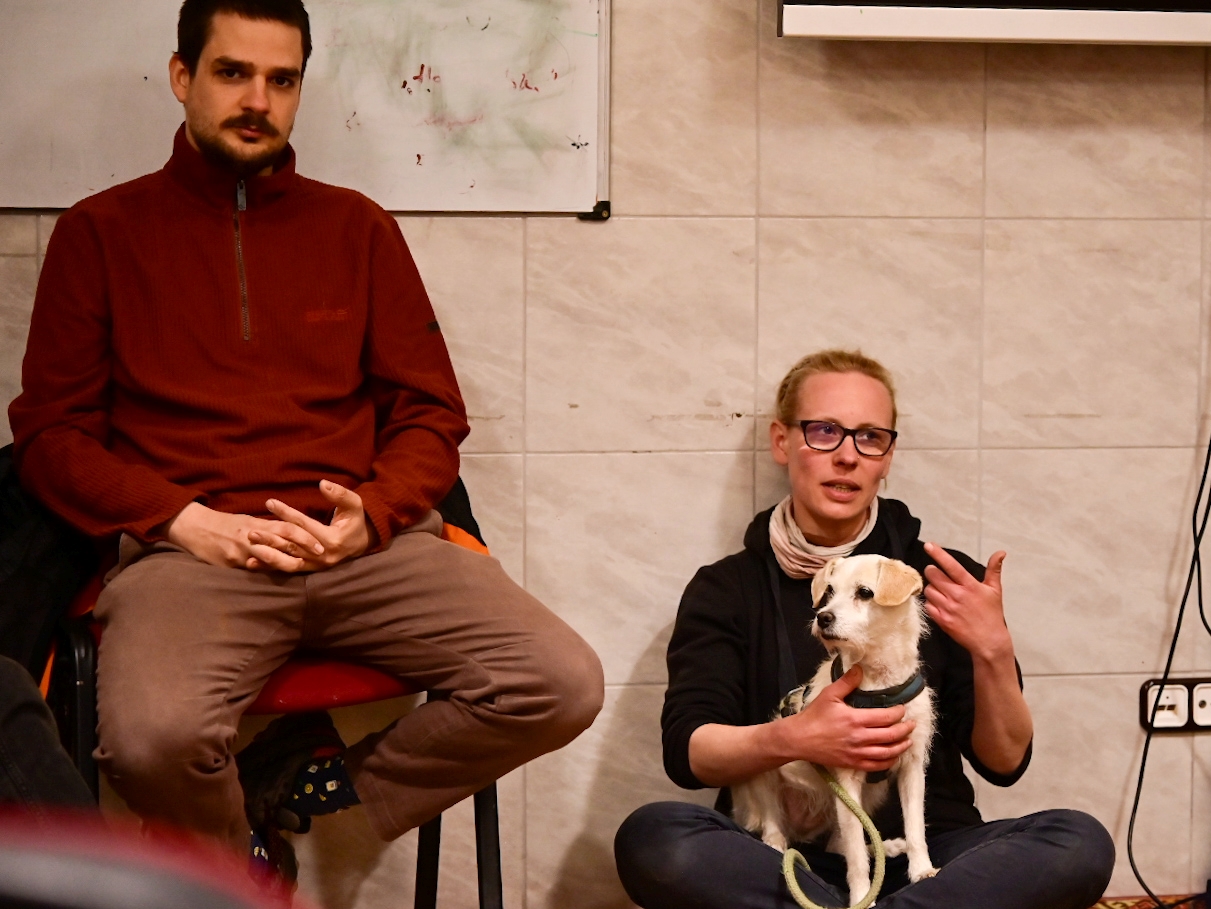
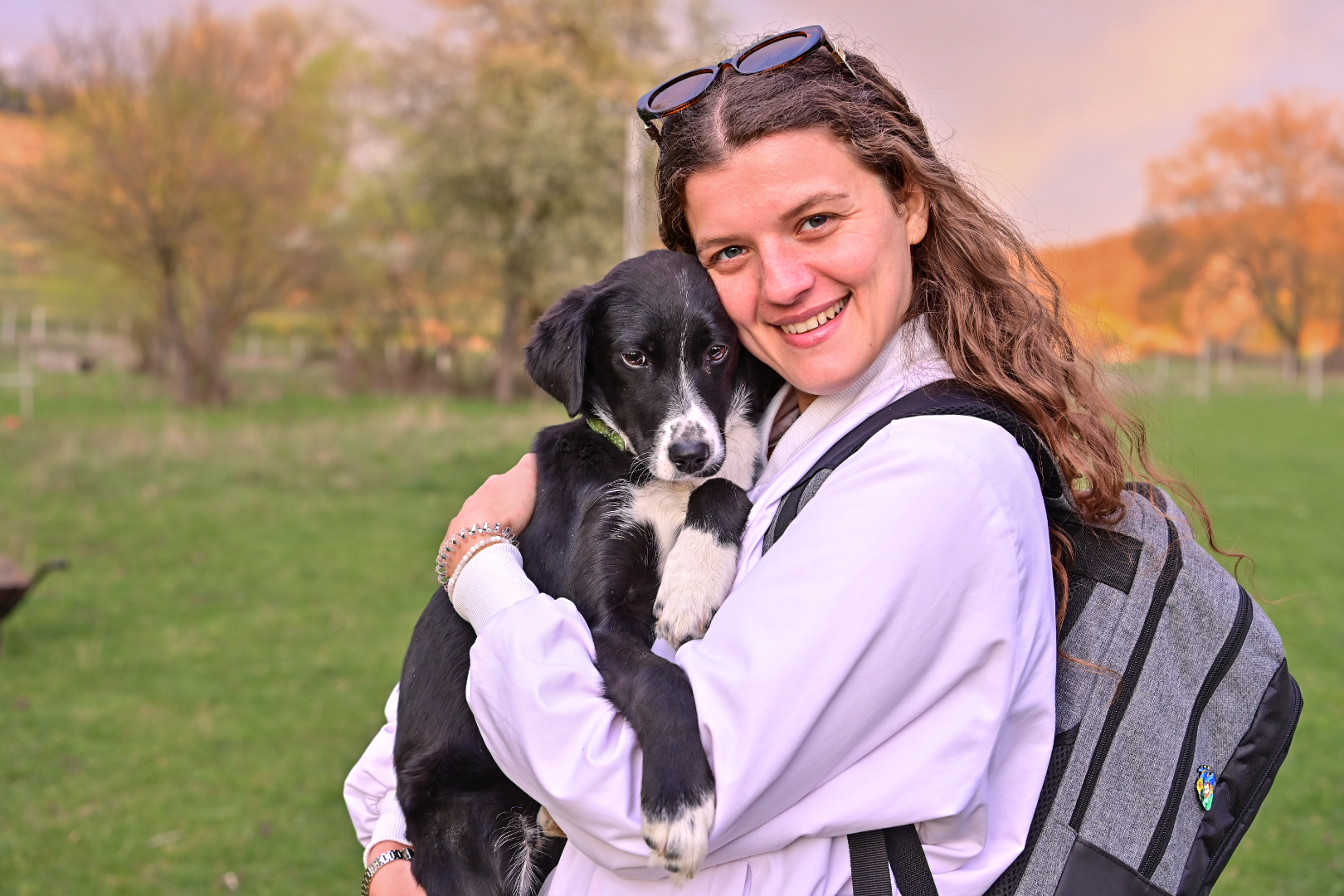
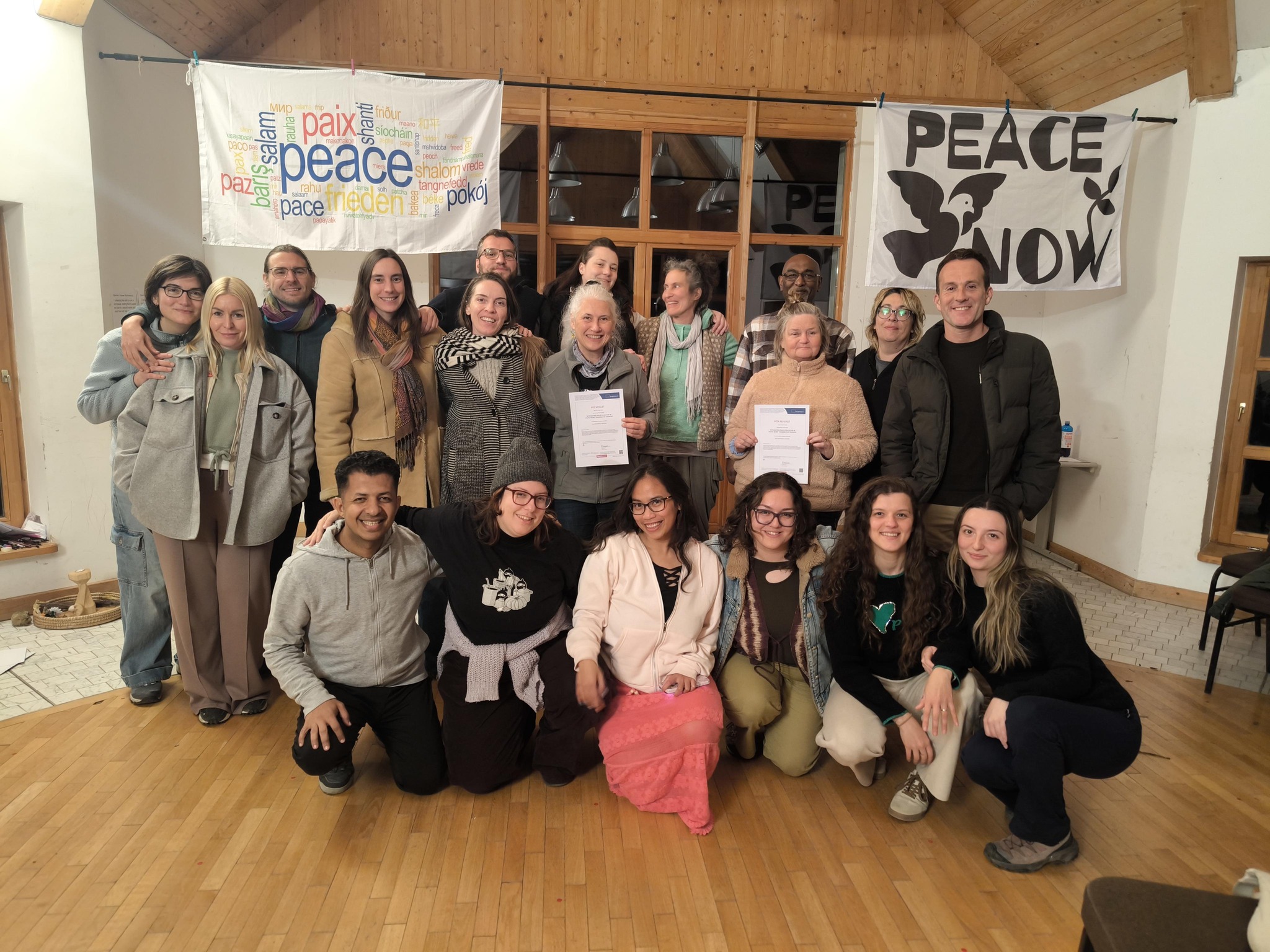
Below are some pictures of the 2nd training.
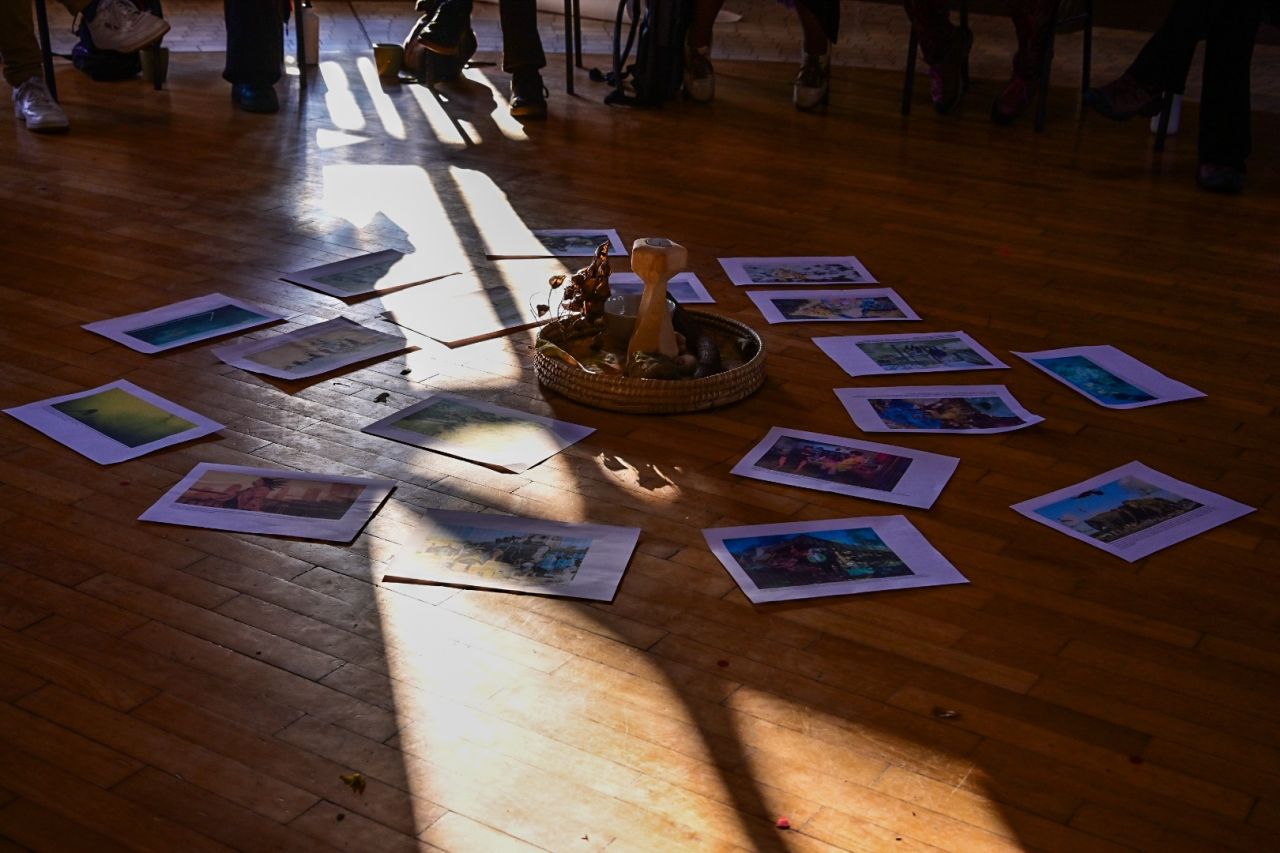
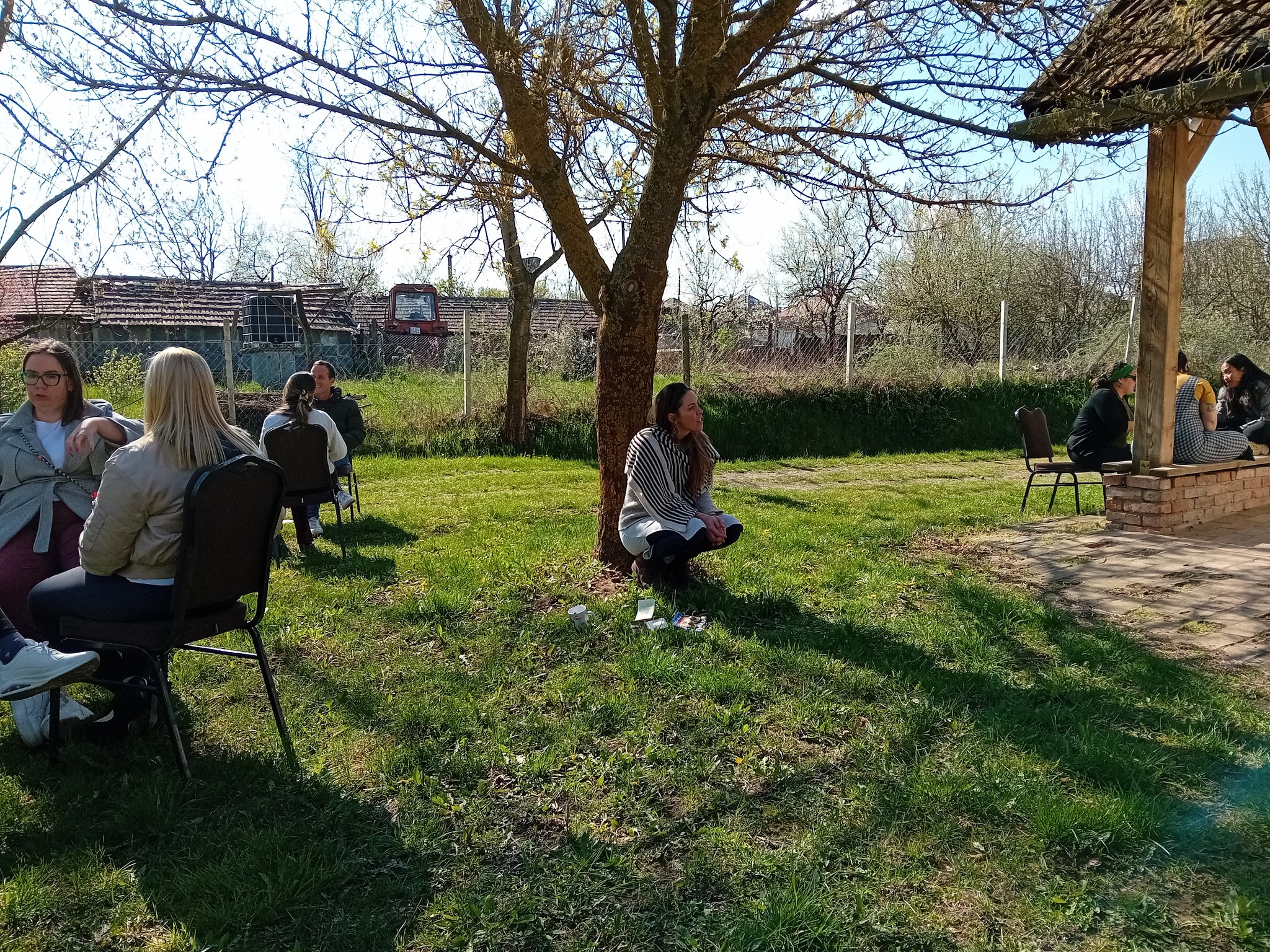
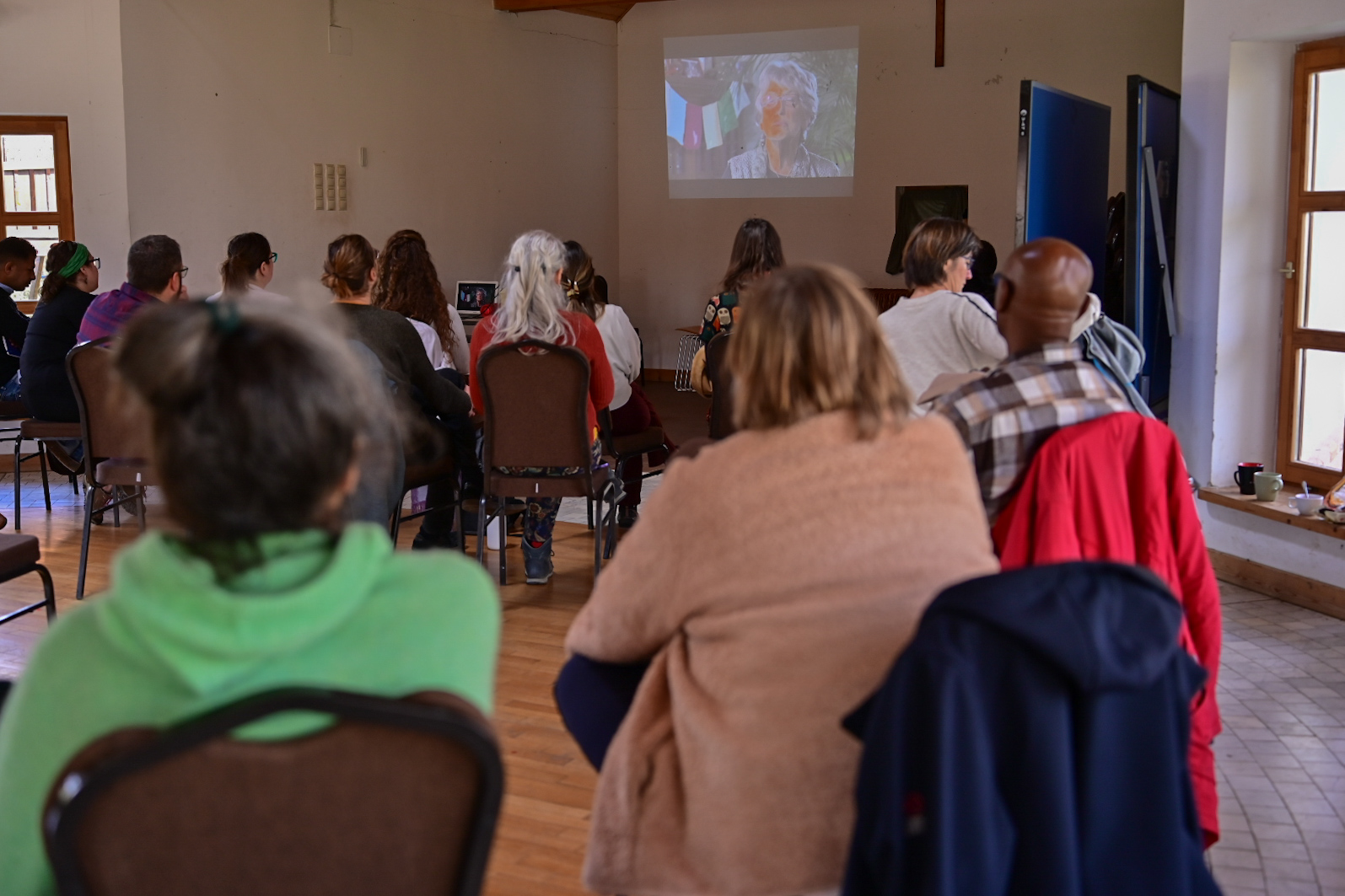
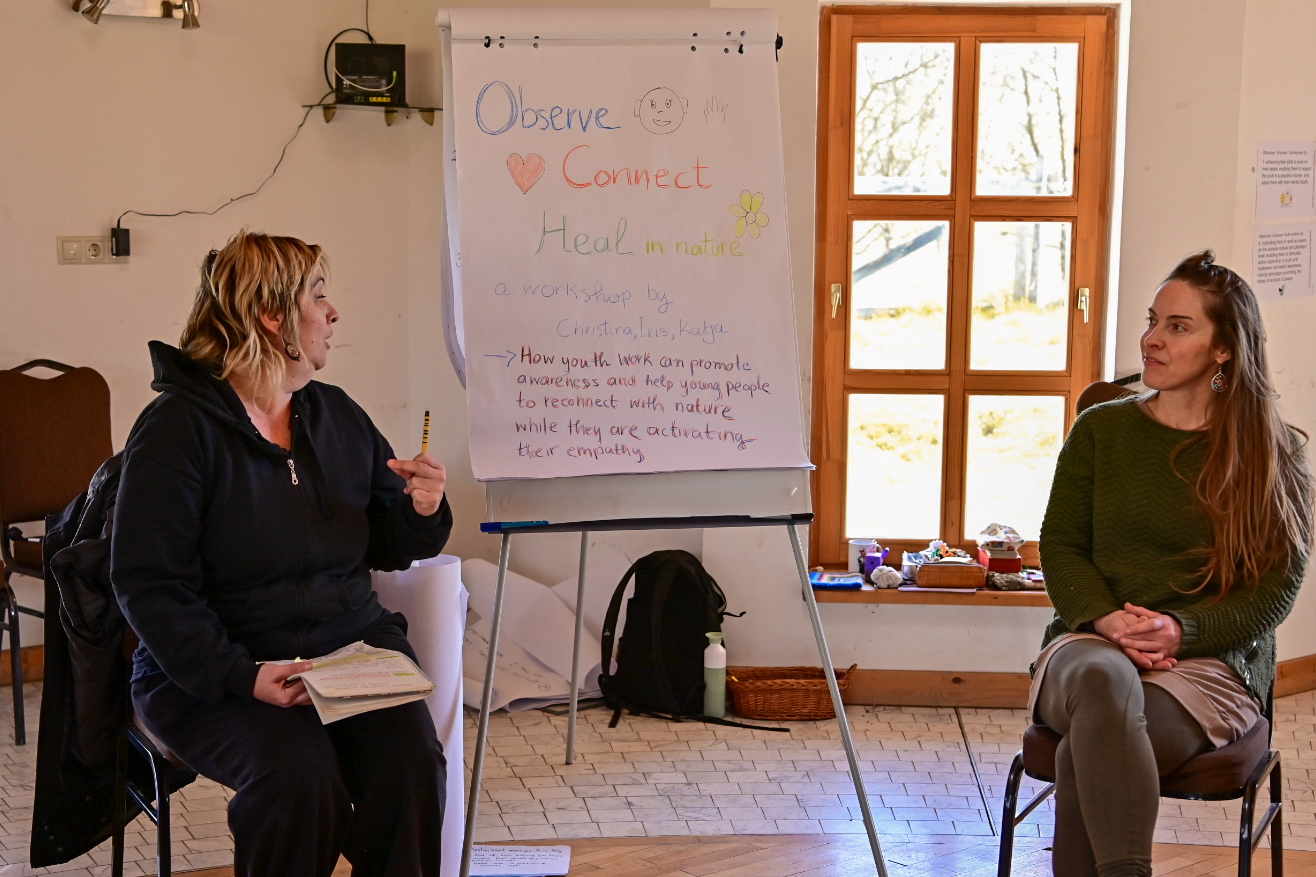
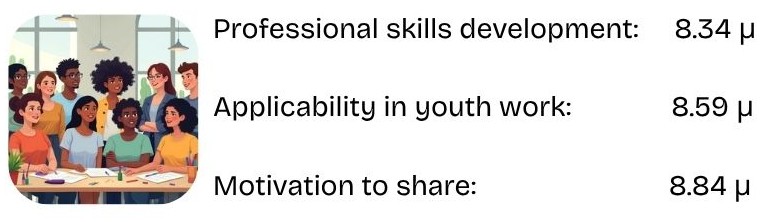
The participants indicated that they further developed their professional skills and Youth Worker Competences:
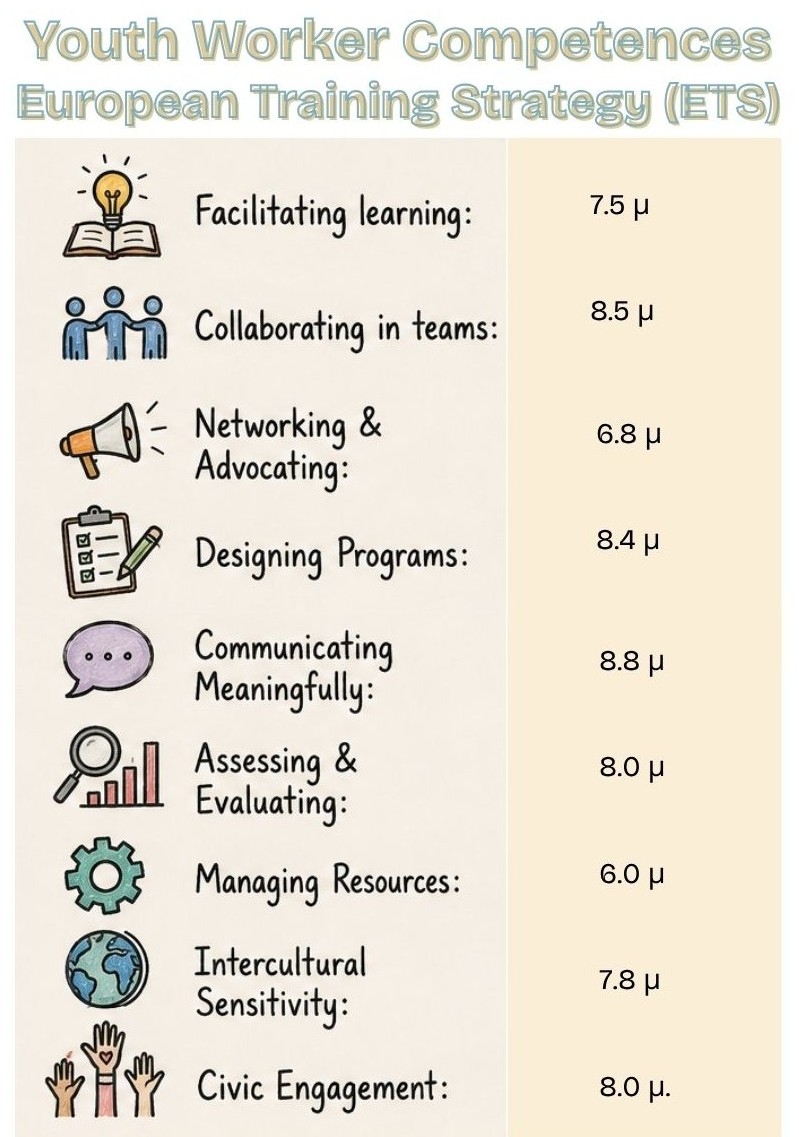
The program has had a positive impact on youth work.
1) Improved support for youth to develop emotional awareness, resilience, and self-care practices, eventually improving the emotional-mental health of the youth;
2) A more constructive approach to conflicts, thanks to a) de-escalation skills, b) nonviolent/empathic communication skills,c) problem-solving skills (such as combining assertiveness with cooperativeness).
3) Enhanced inclusion of marginalized youth, thanks to a) awareness of privilege b) increase ability to empathize, c) improved cultural sensitivity, d) increased trust as conflicts and differences are dealt with constructively and respectfully;
4) Better team-work in the organization, because of a) conflict resolution skills b) sociocratic decision-making skills c) increased awareness of self-care;
5) more active participation of youth in society, because of a) sharing positive & practical perspectives to contribute to (a culture of) peace b) linking peace with environmental concerns of youth and c) sharing tools to organize nonviolent actions.
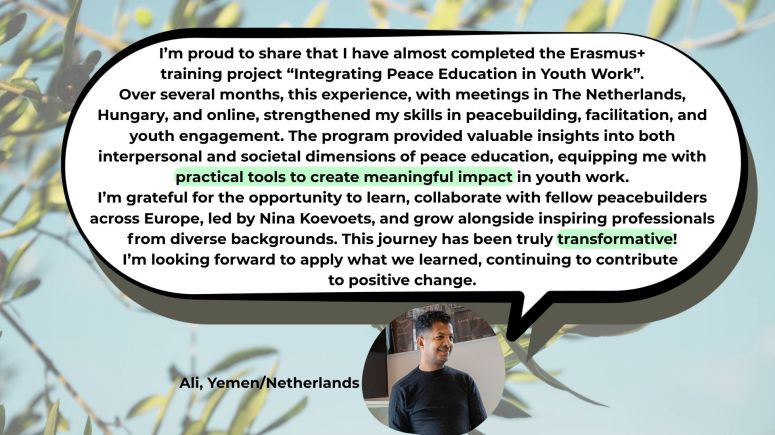
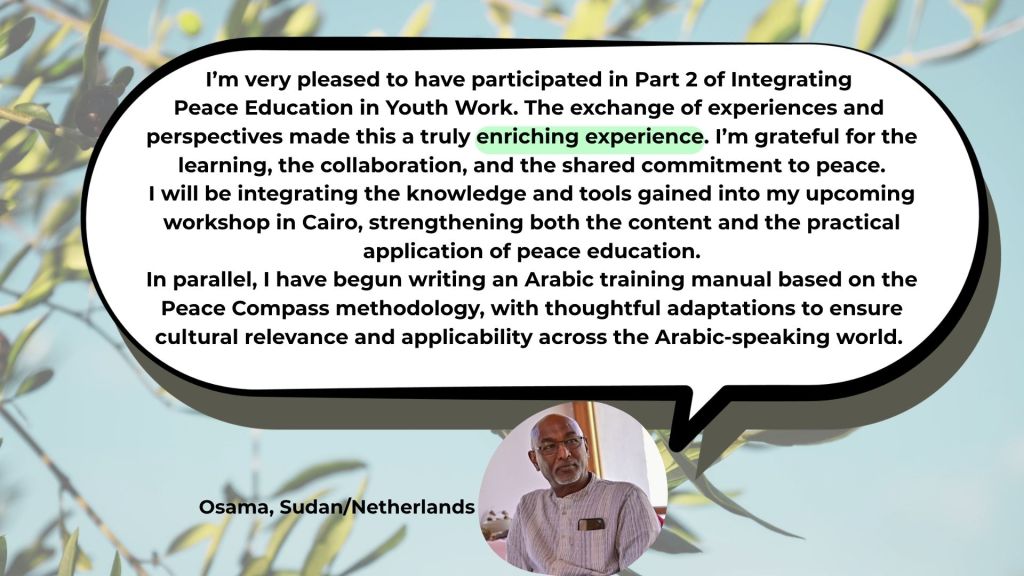
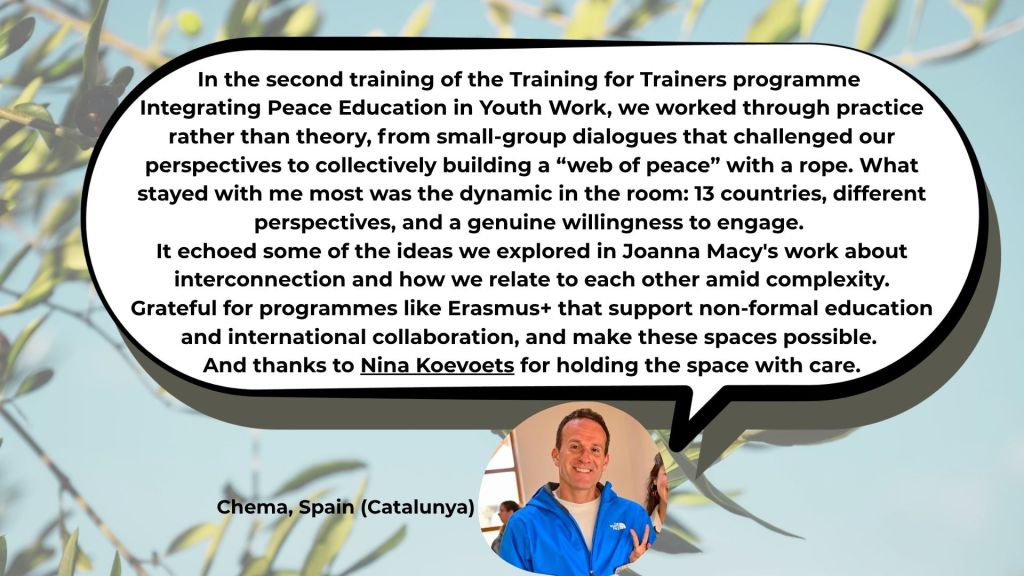
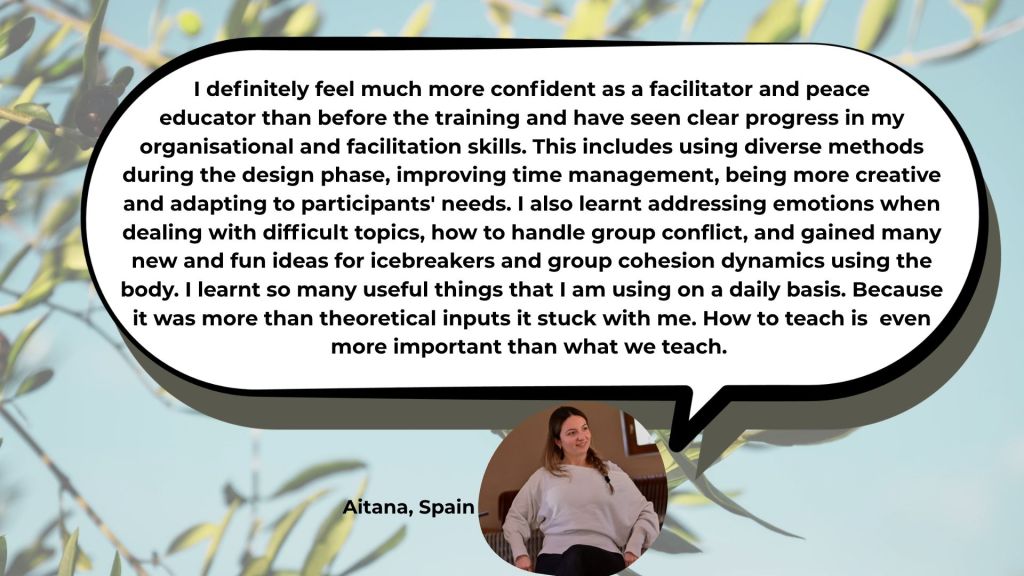
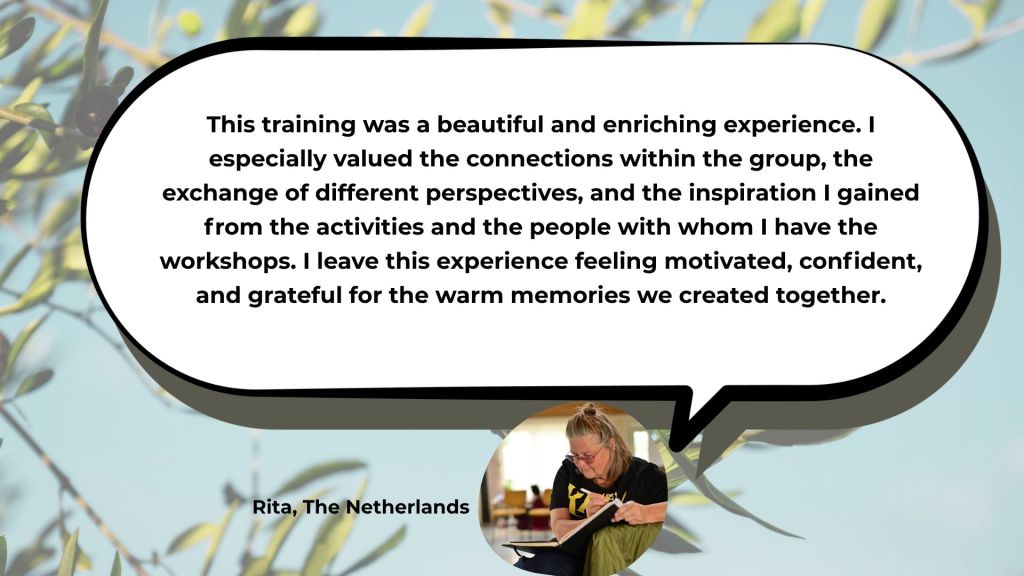
Finally you can read some testimonies below. And if you scroll down even more there’s a report of the workshops the trainees delivered.