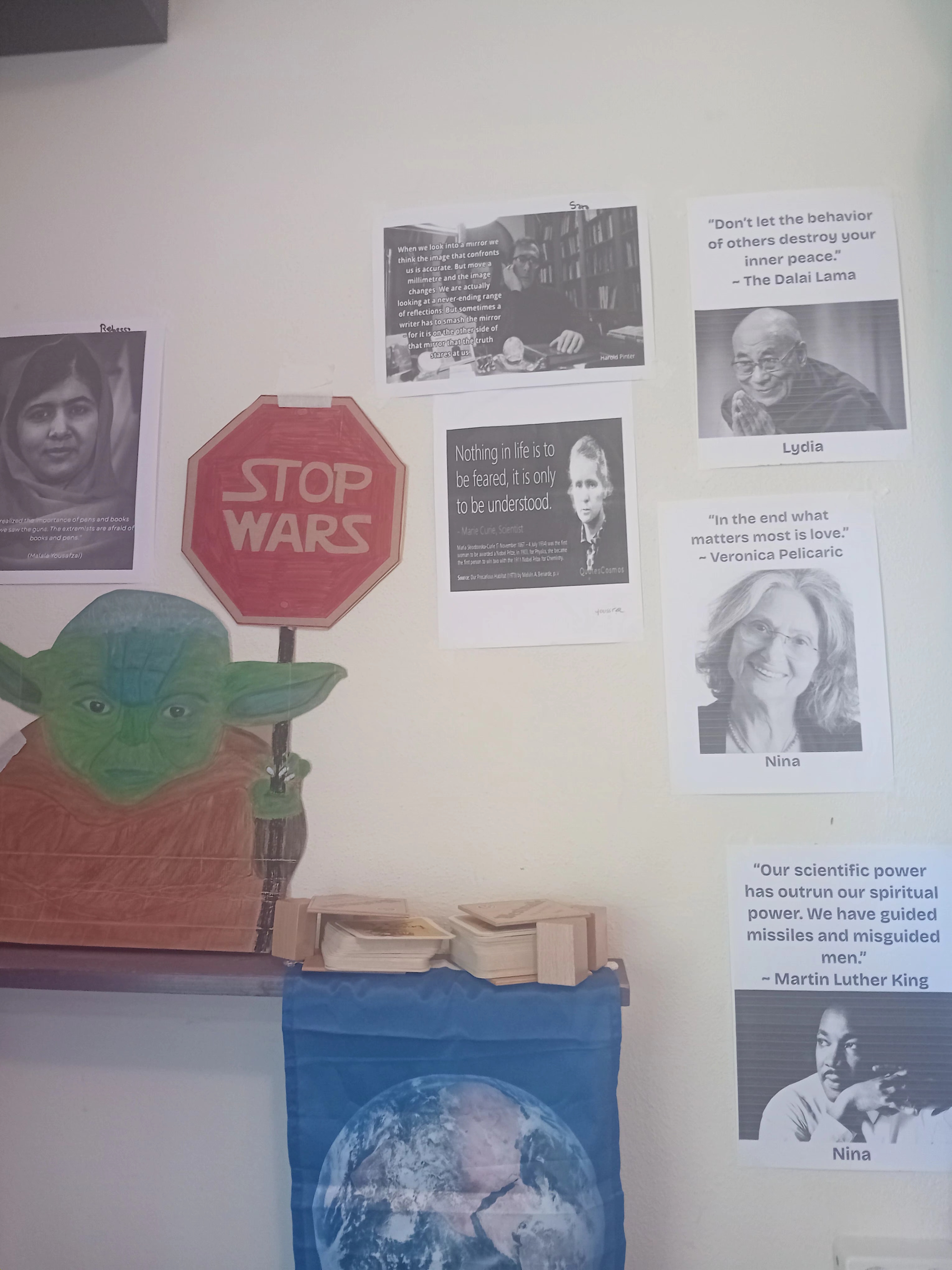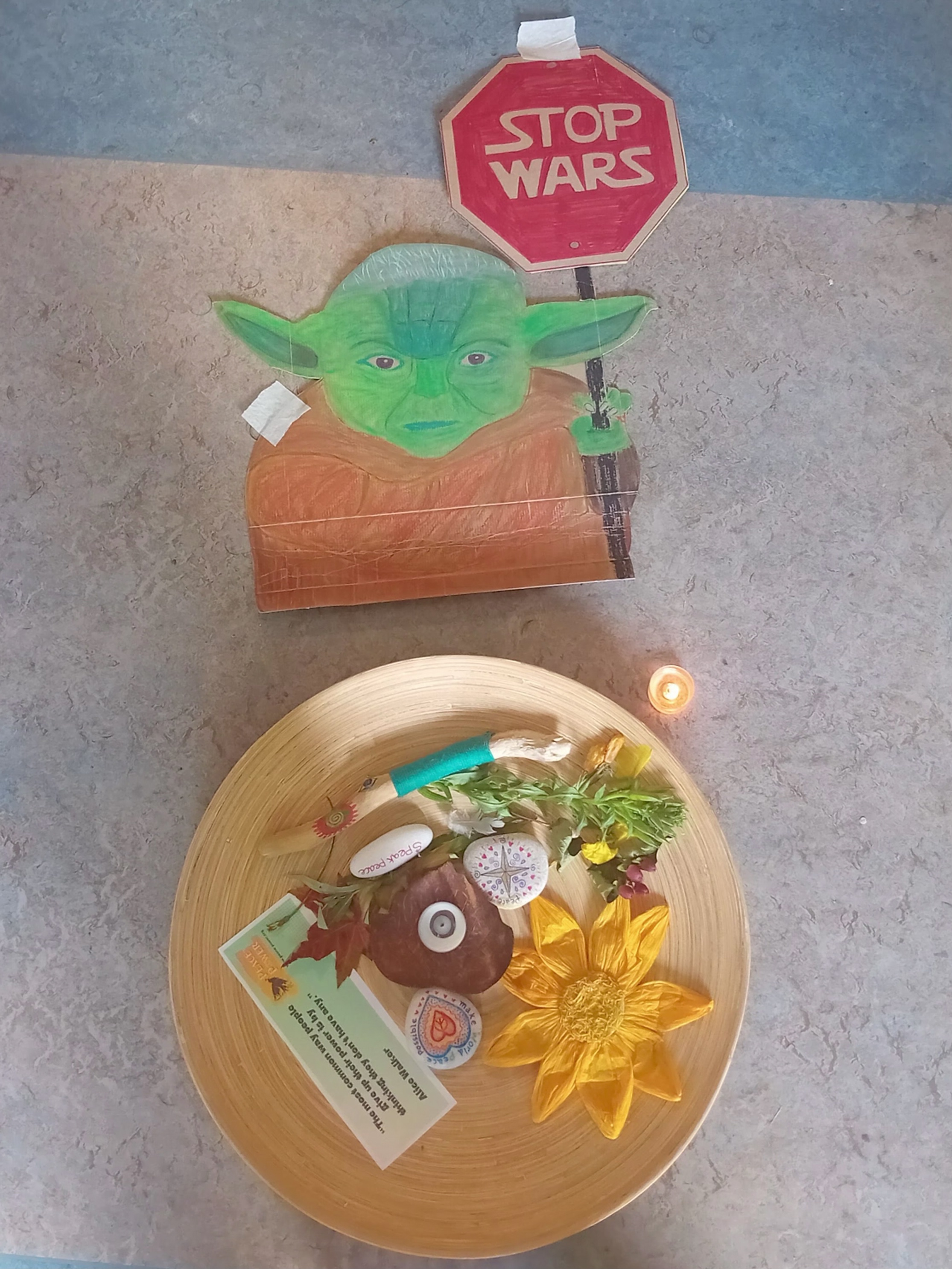
Story Telling and Advocacy for Peace
Training for Youth Workers Netherlands September 13-18

Why Story Telling & Advocacy for Peace?
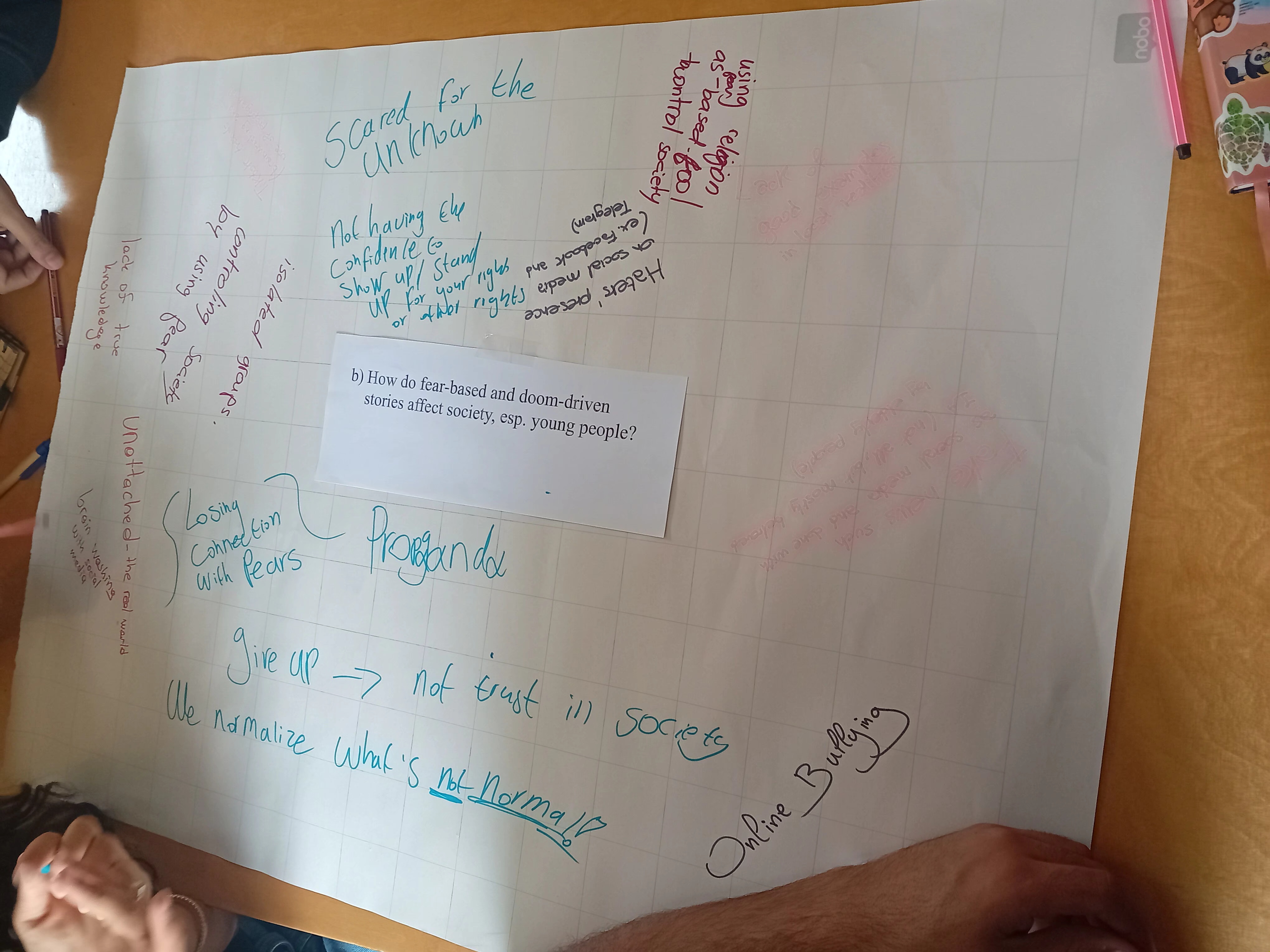
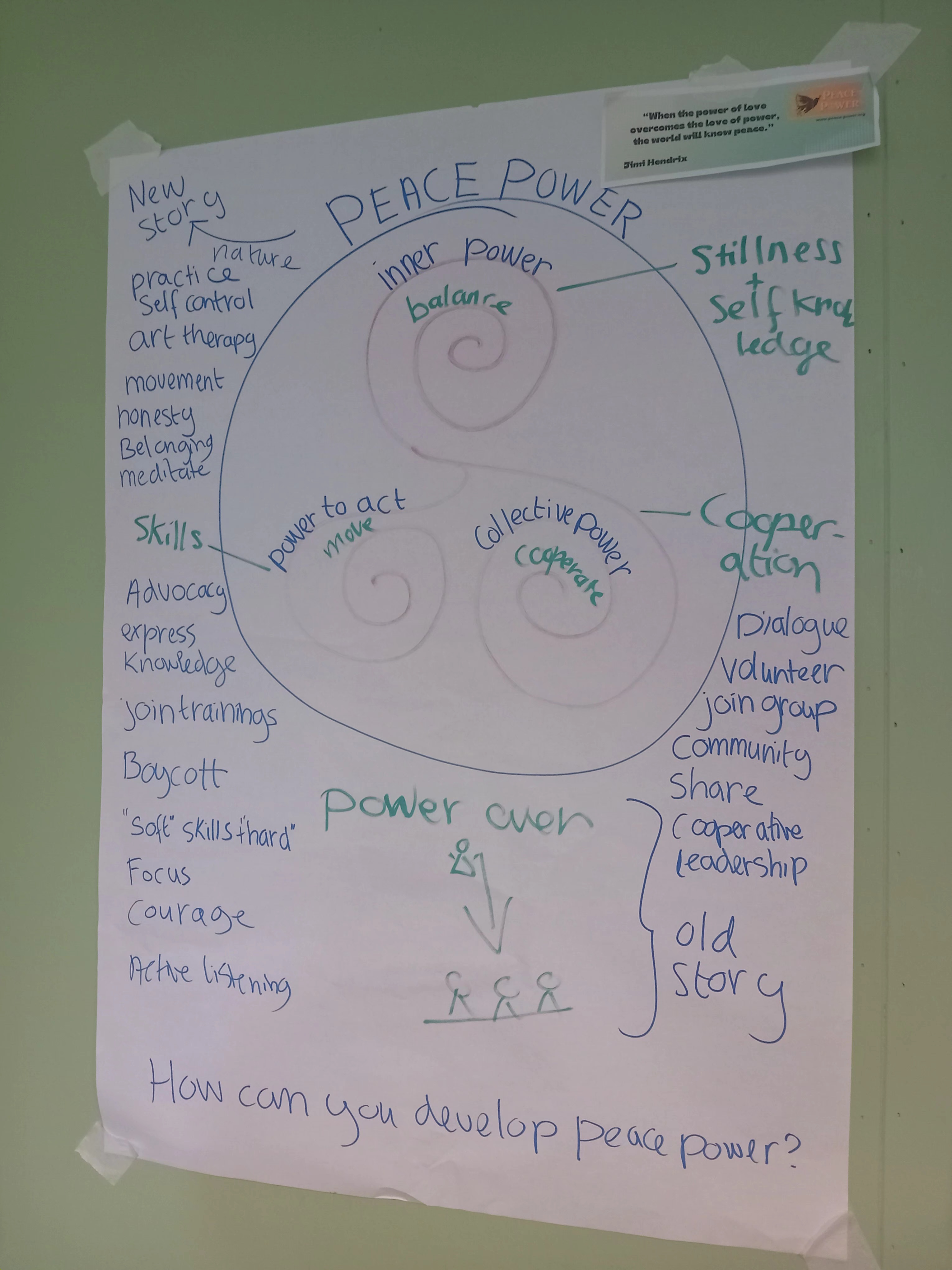
Across Europe and beyond, young people are growing up in a world increasingly shaped by war narratives, ecological breakdown, shrinking democratic space, and social fragmentation. Particularly accelerated by the US president, who claims to work on peace, but instead fuels violence abroad and in his own country. While many young people feel deeply concerned, they often experience powerlessness, cynicism, or emotional overload, rather than a sense of agency. News are dominated by fear, hostility, and a growing sense of inevitability of violence and collapse. Questioning such narratives is the first step to change reality. Therefore, we want to raise questions such as: what does peace mean beyond ‘the absence of war or fighting’? What does justice mean? Could ‘human nature’ be nonviolent? How can we solve conflicts nonviolently? And engage in a process of finding practical answers to these questions together.
Storytelling has always played a central role in how societies make sense of conflict, justify violence, or imagine alternatives. Stories shape identities, values, and possibilities. They can normalize war or open up space for peace. Storytelling is a powerful advocacy tool for youth workers and youth: it can inspire empathy, humanize abstract issues and amplify marginalized voices. It also provides tools to feel more empowered to make a difference, hence the title of this project.
This Training of Youth Workers within the Erasmus+ framework responds to the urgent need to help youth workers to let youth take responsibility and encourage and empower them to contribute to peace-building in their society, rather than staying helpless, cynical or disassociate. The training equips youth workers with the skills to design and facilitate impactful stories that inspire young people to actively contribute to peace, so it becomes a practice, a choice, and a collective responsibility. Something that is active, courageous, and urgent in these times of crises. The creative methods will enable youth workers to actively engage young people in finding their voice, discovering their agency, and contribute to society.
The aim of the training is to empower youth workers with storytelling and advocacy skills that enable them to inspire, mobilize, and support young people to engage in peace-building and social change, in times of increasing militarisation, social fragmentation, shrinking democratic space and climate chaos.
The objectives are that by the end of the training, participating youth workers will:
- Be able to counter narratives contributing to division, fear, and a sense of powerlessness with stories, inspired by real-life examples, that encourage understanding and compassion and give a sense of agency and hope.
- Learn the basic elements of designing an impactful story that promotes social change and develop skills to craft peace oriented narratives that resonate with young people.
- Learn practical methods to facilitate storytelling processes with young people that show peace-building processes, across different cultures and national contexts. And improve their ability to use story-telling as an advocacy tool for peace, justice, and nonviolence.
- Exchange best practices in story-telling and advocacy and strengthen each other’s youth work by sharing and exploring future cooperation.
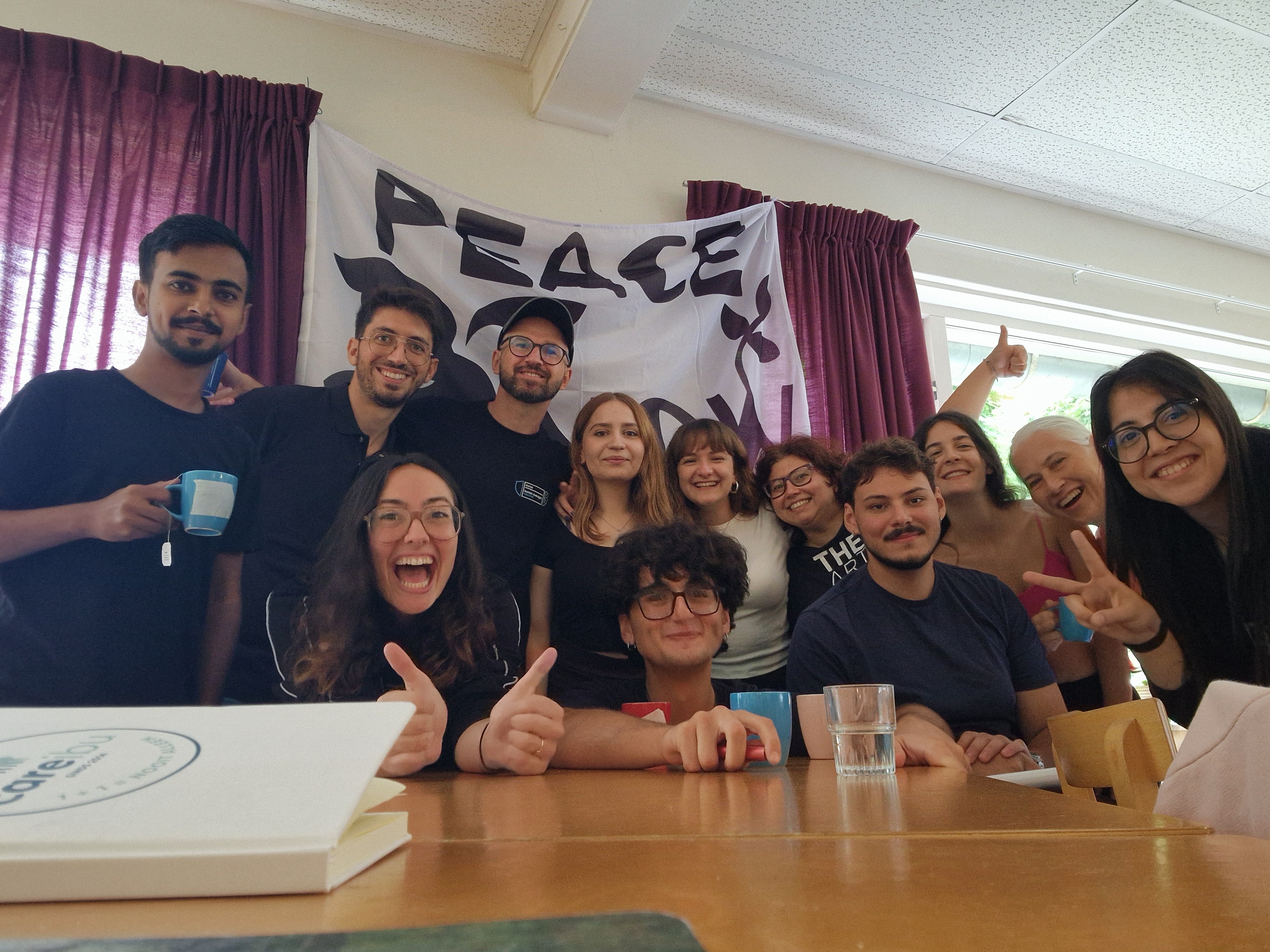
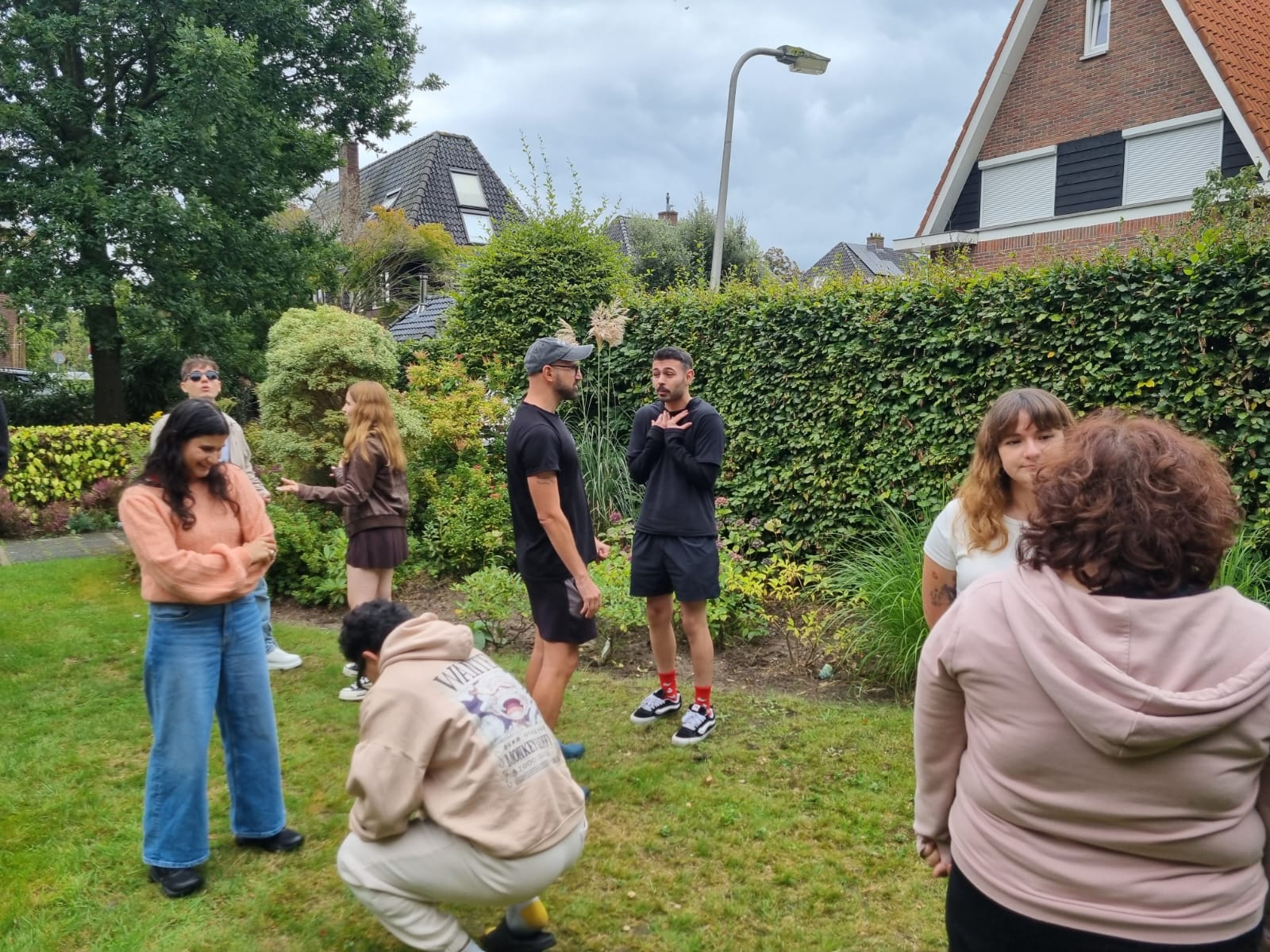
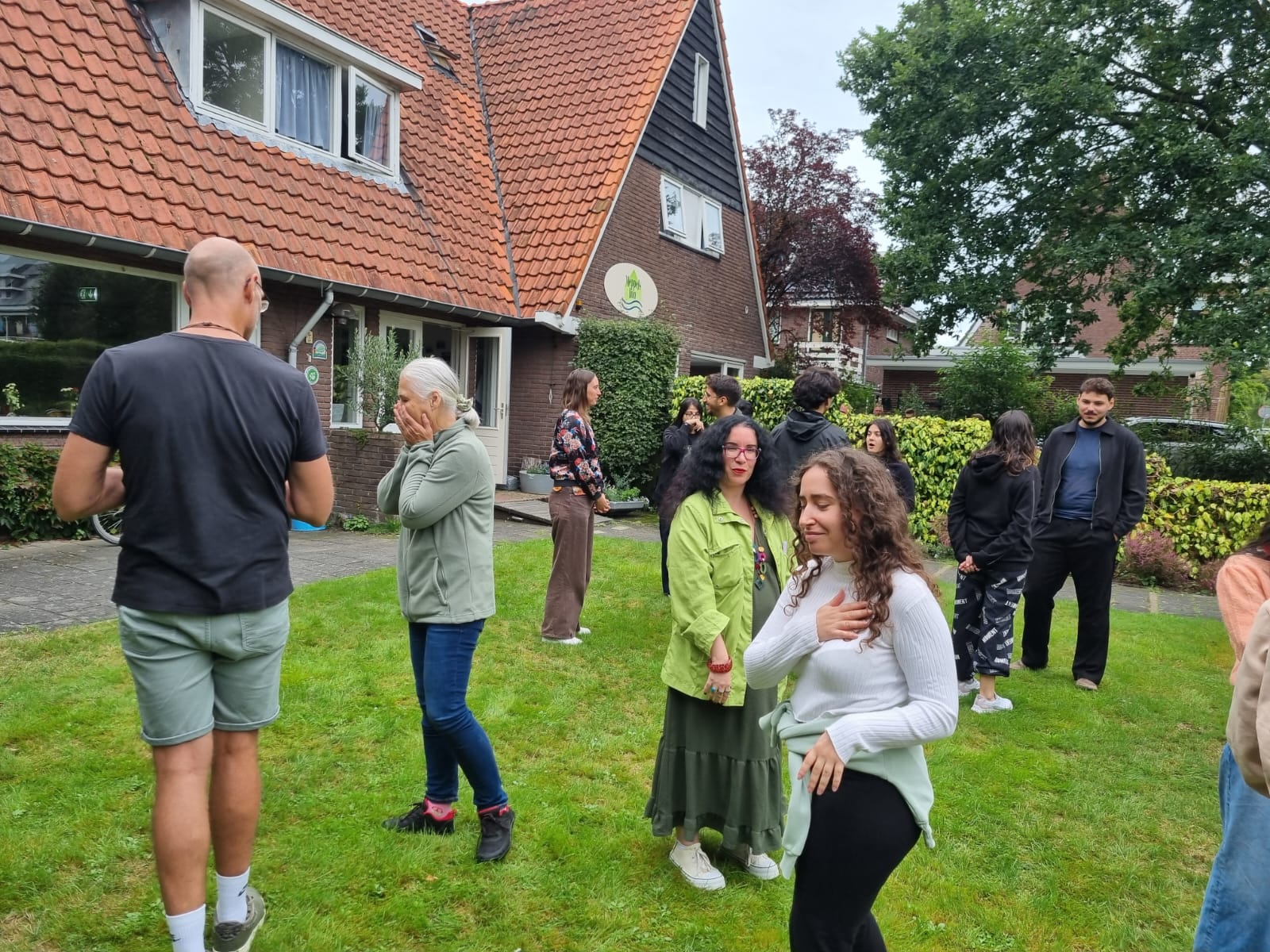
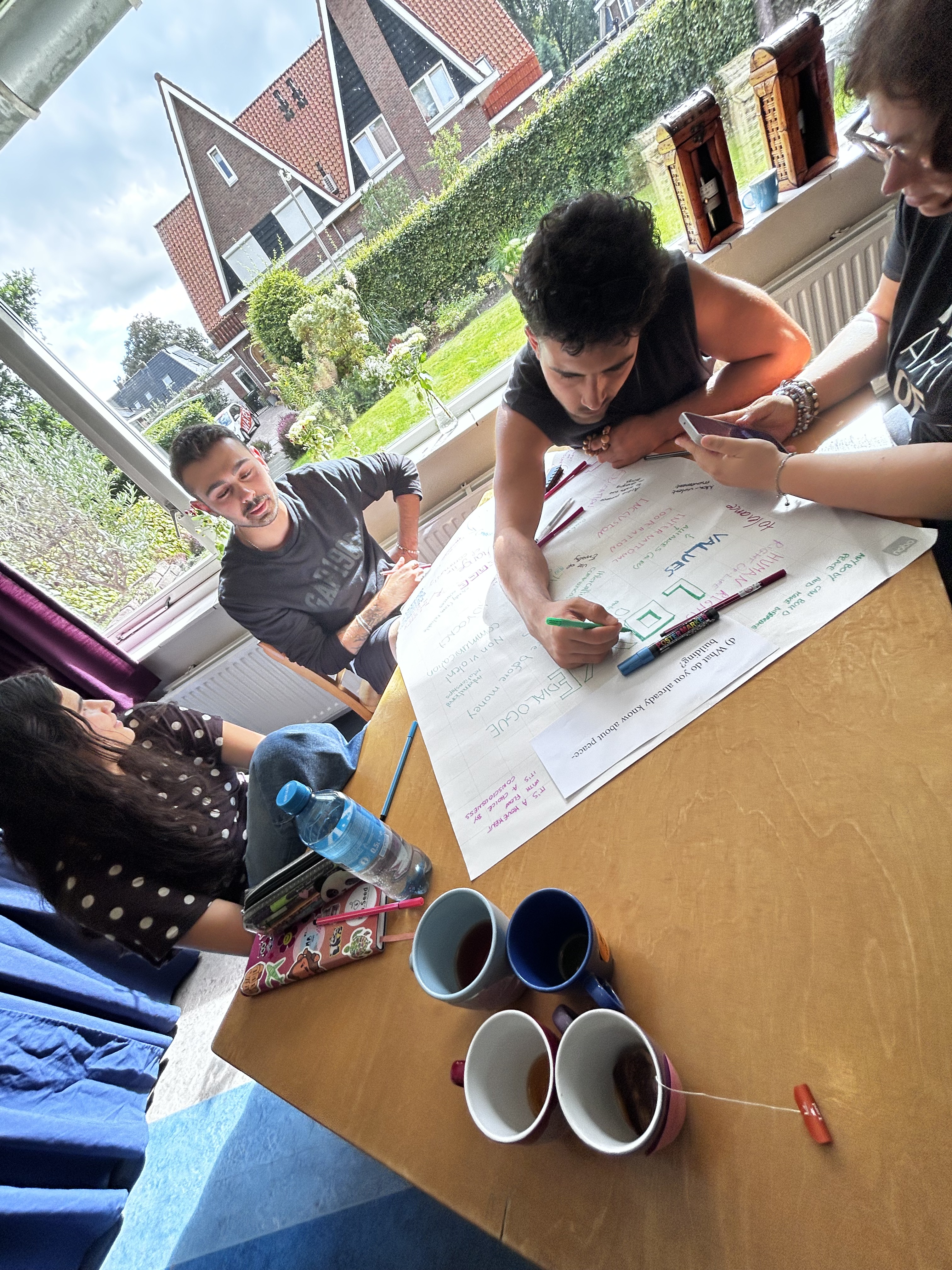
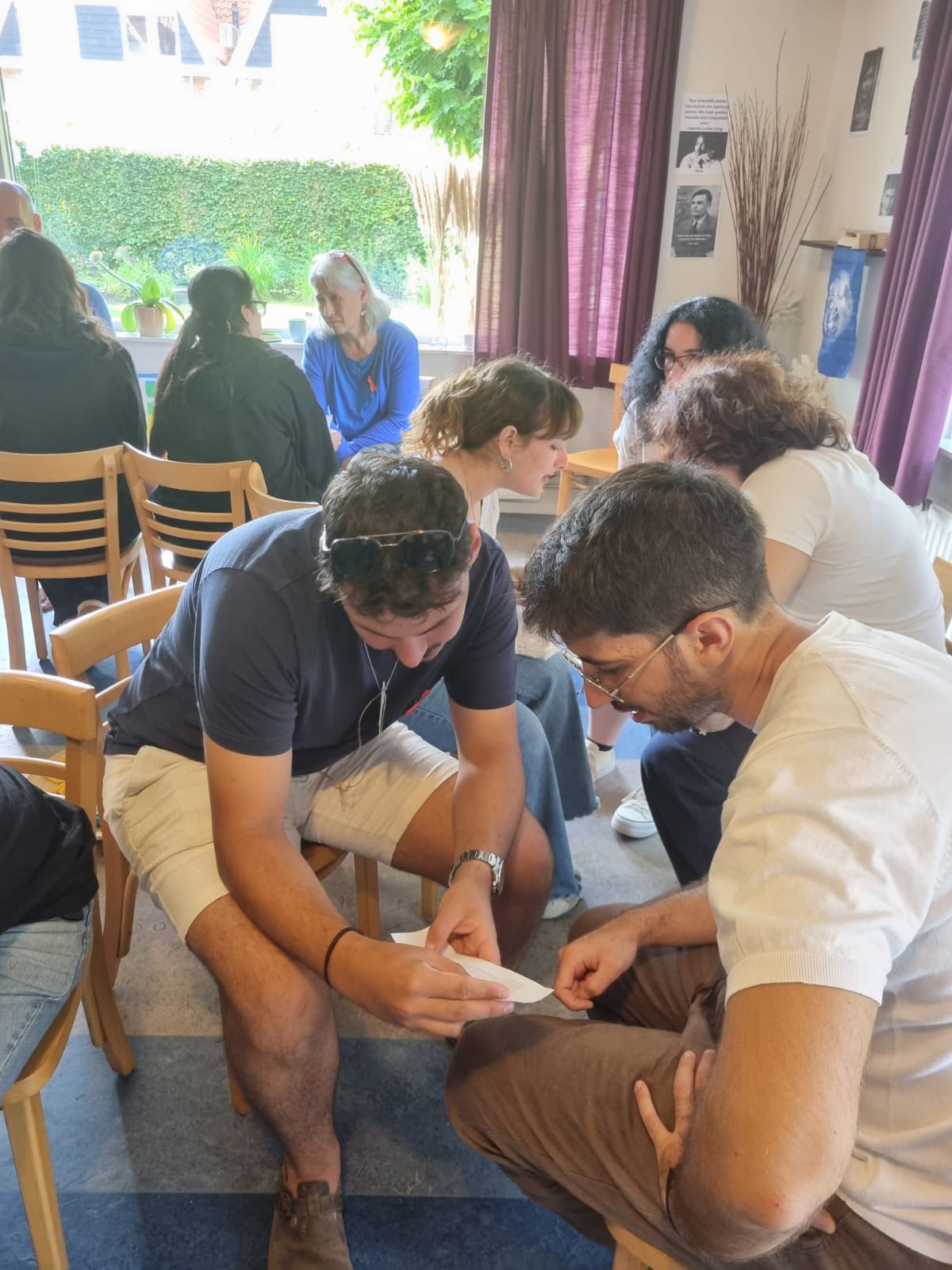
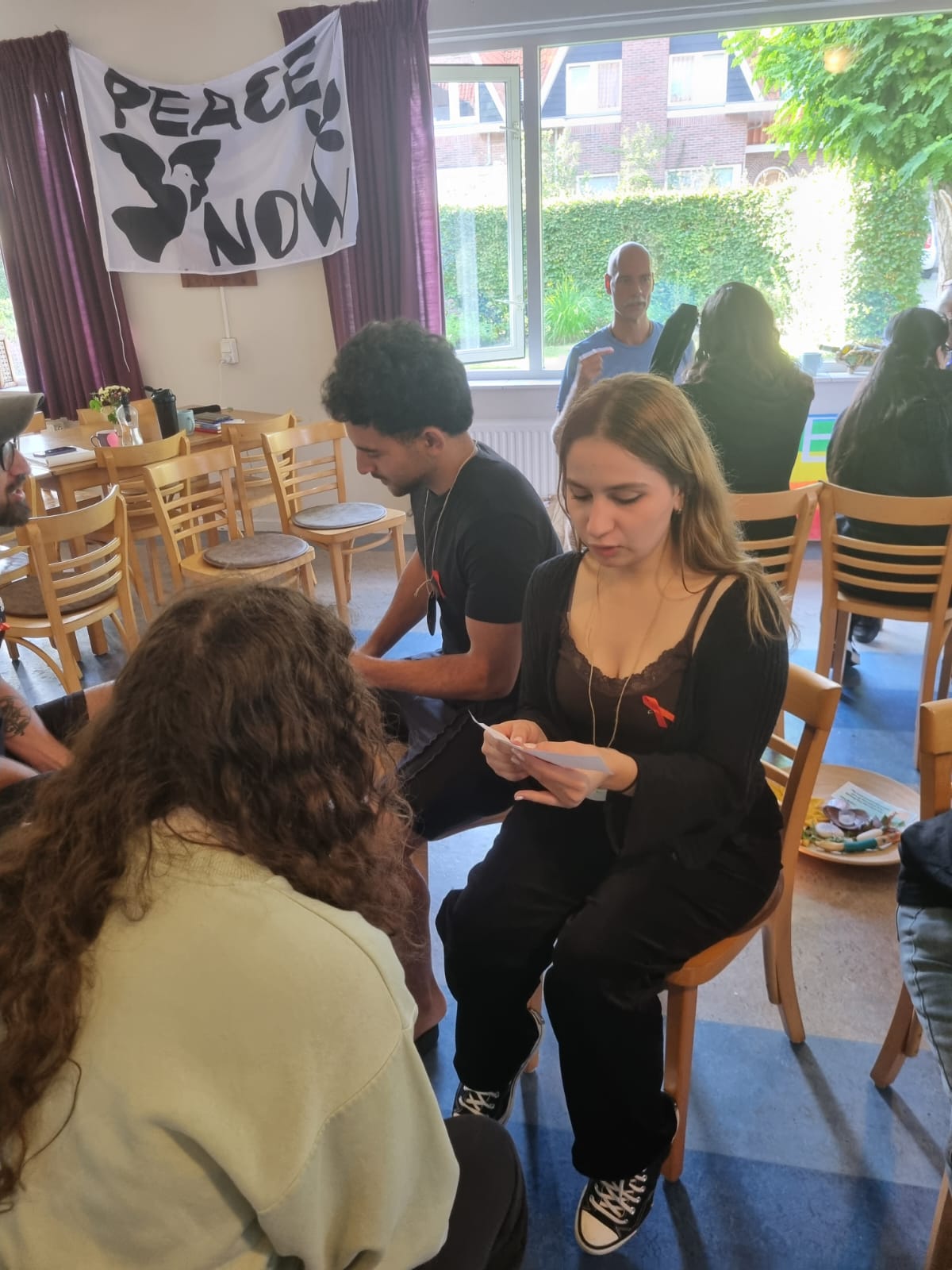
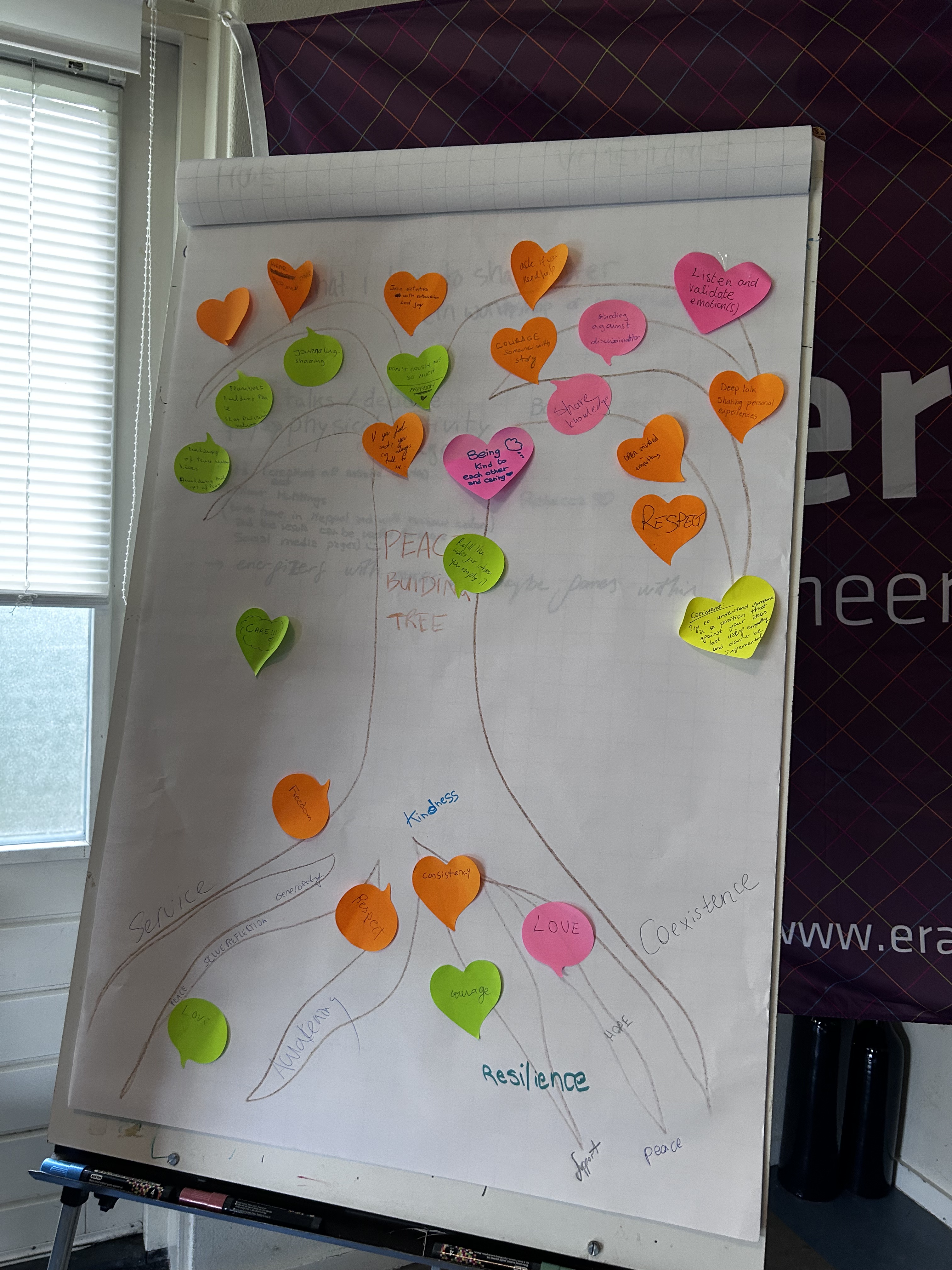
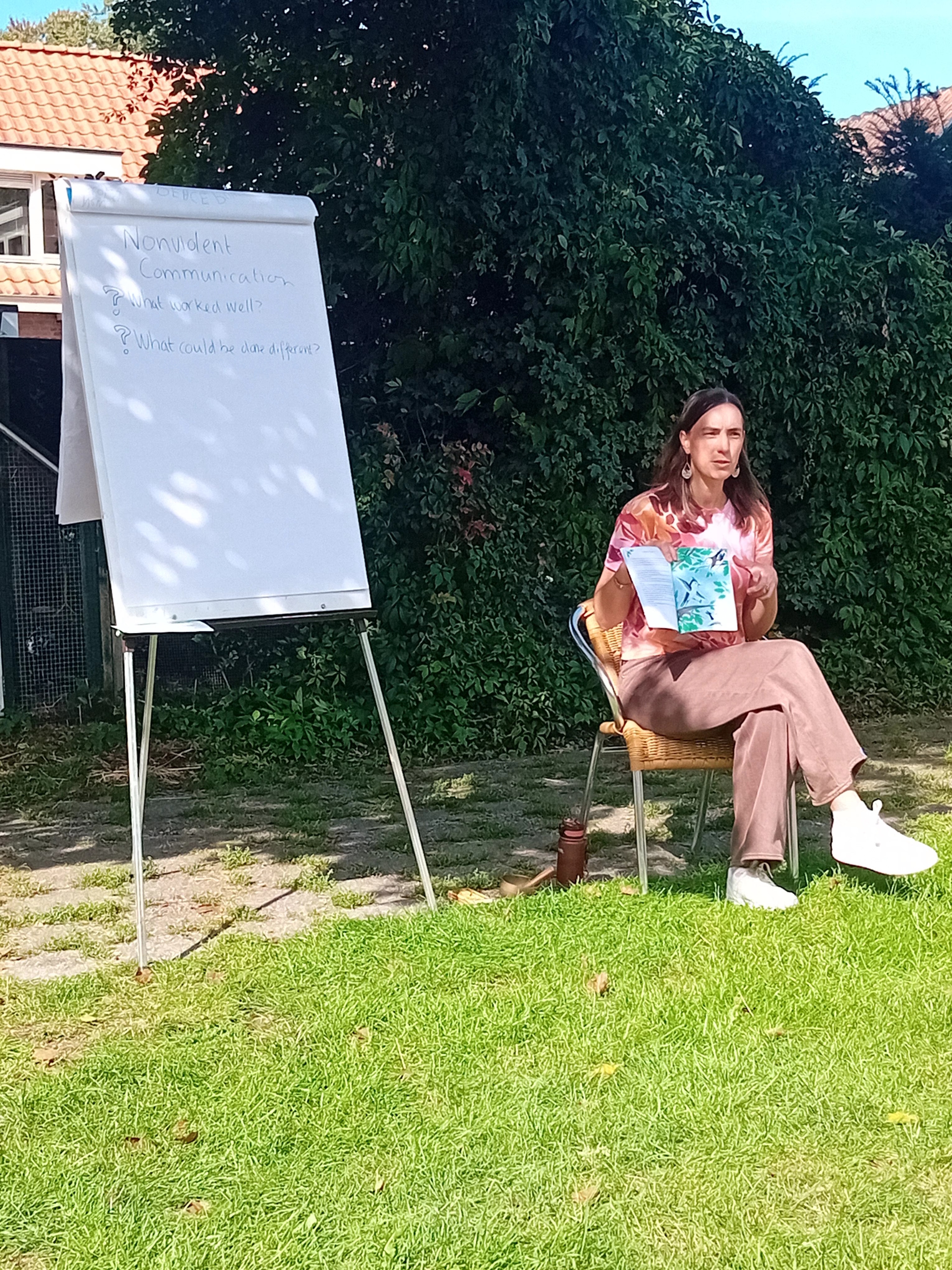
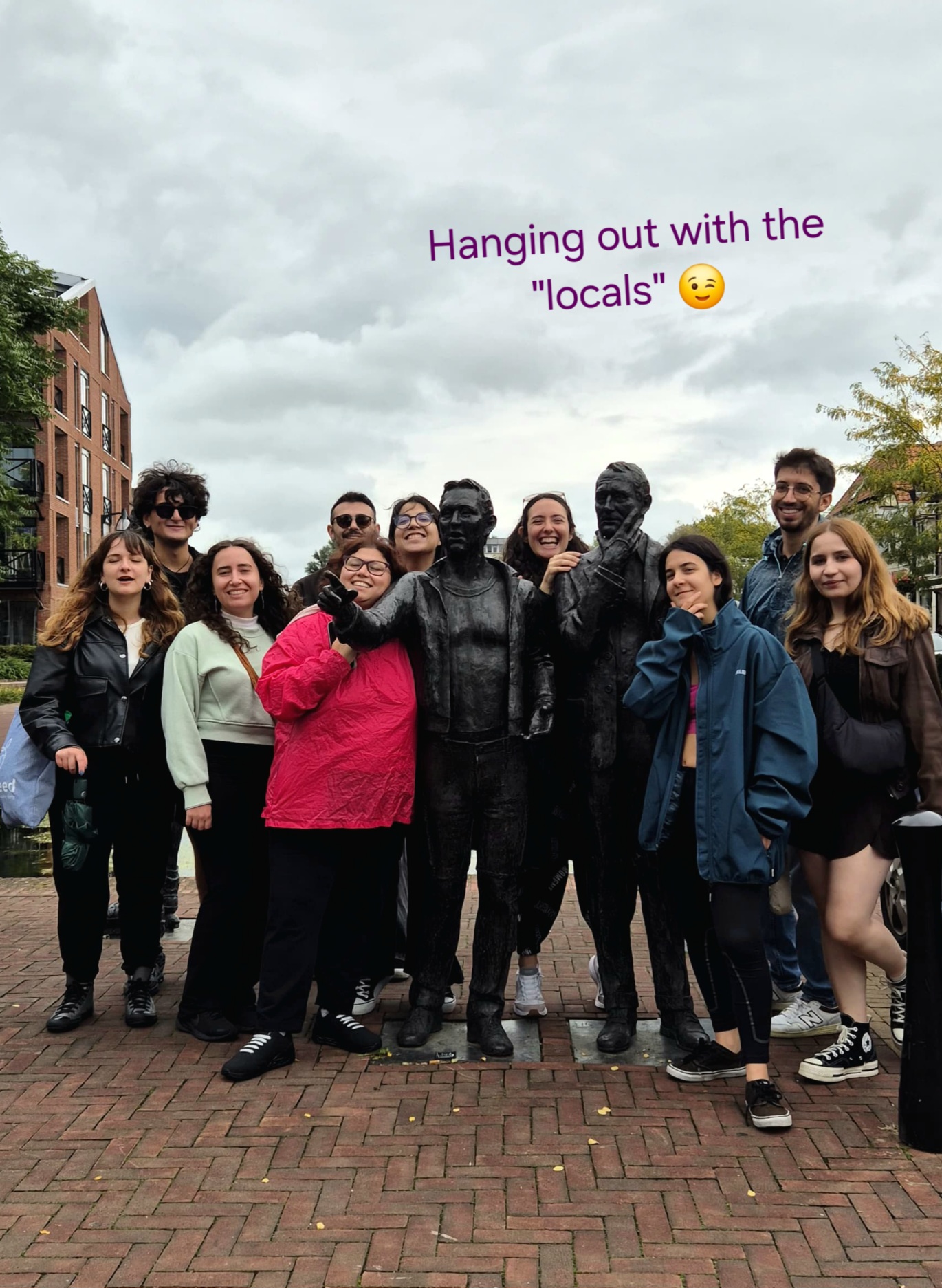
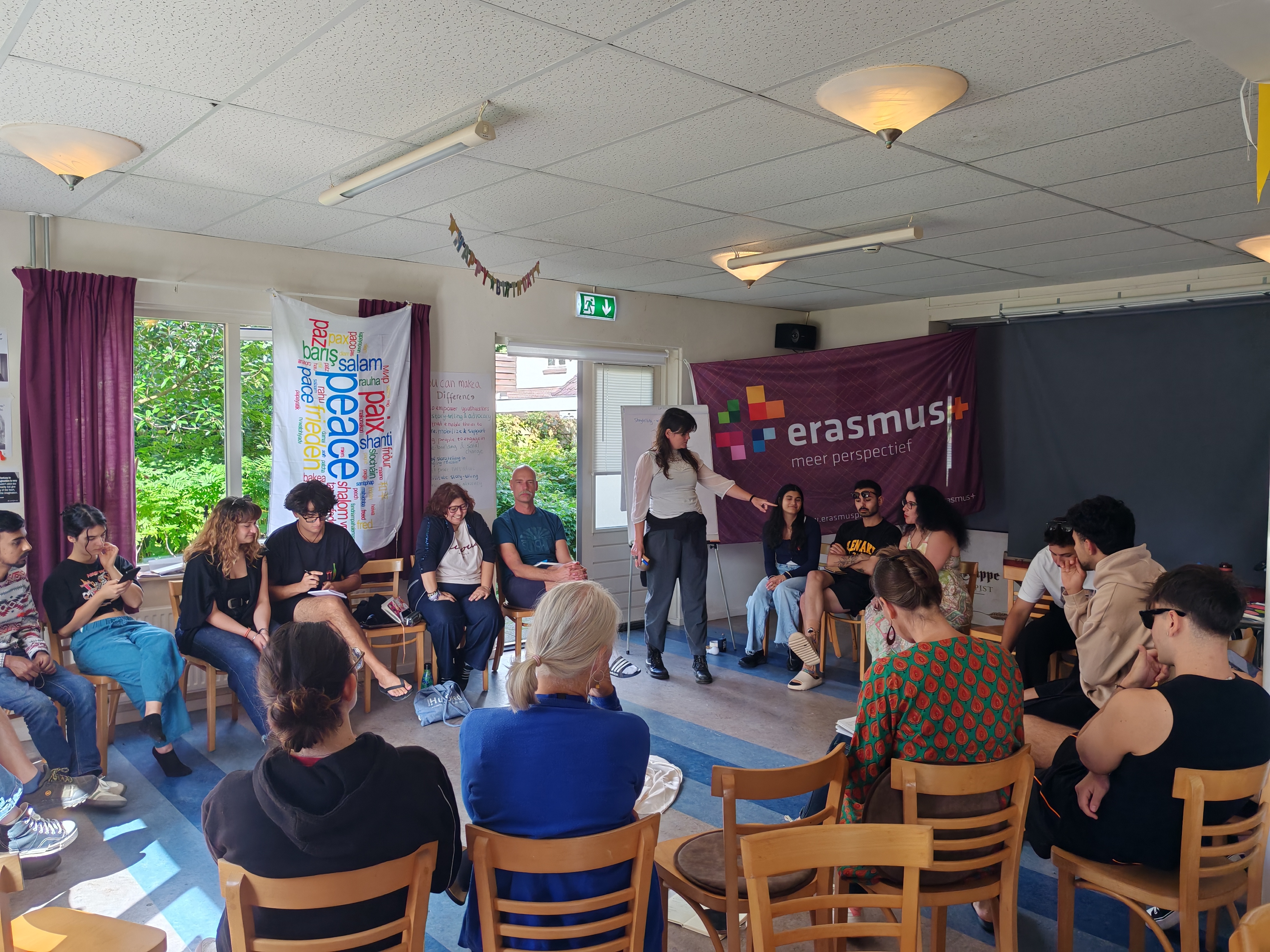
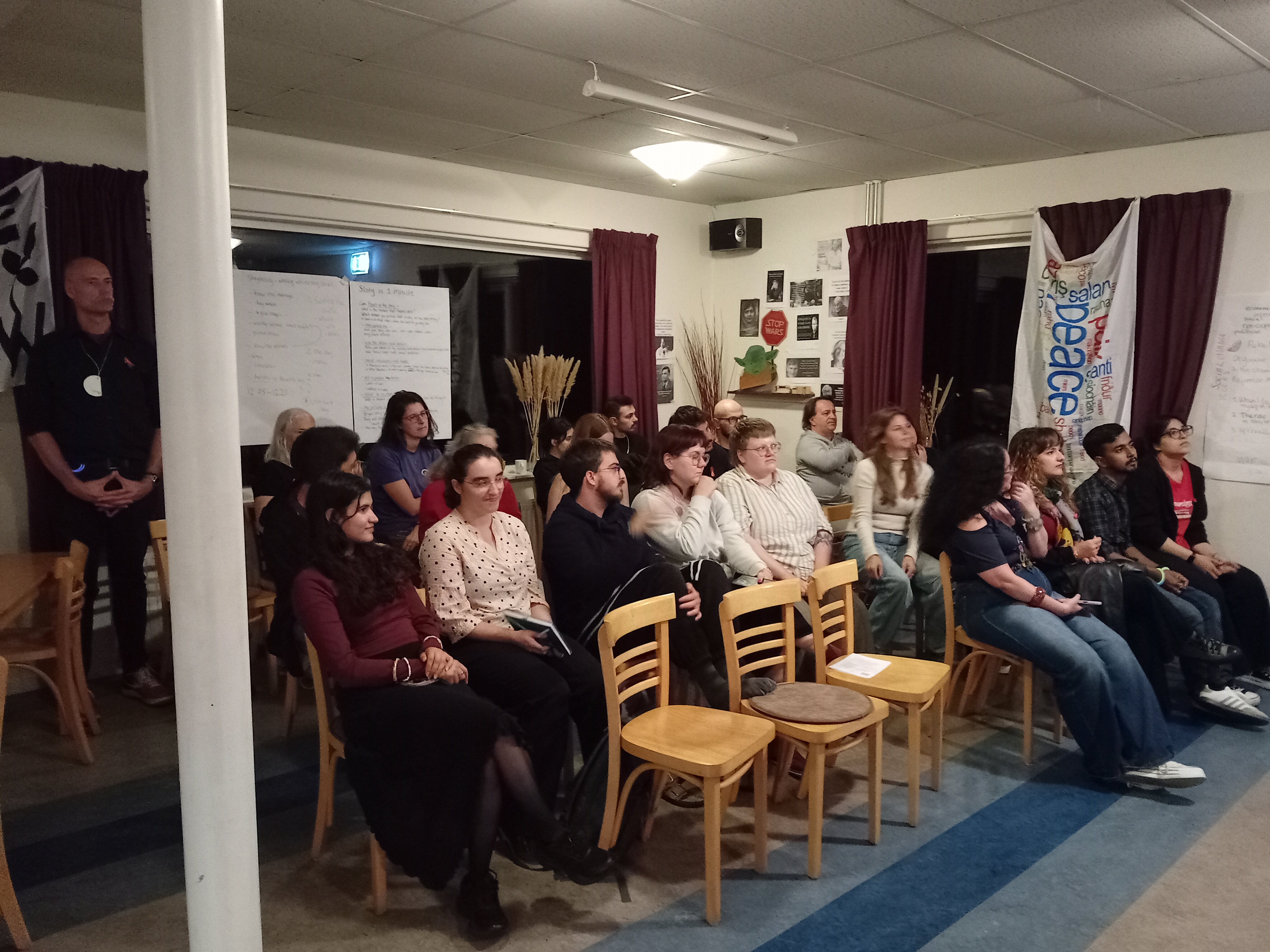
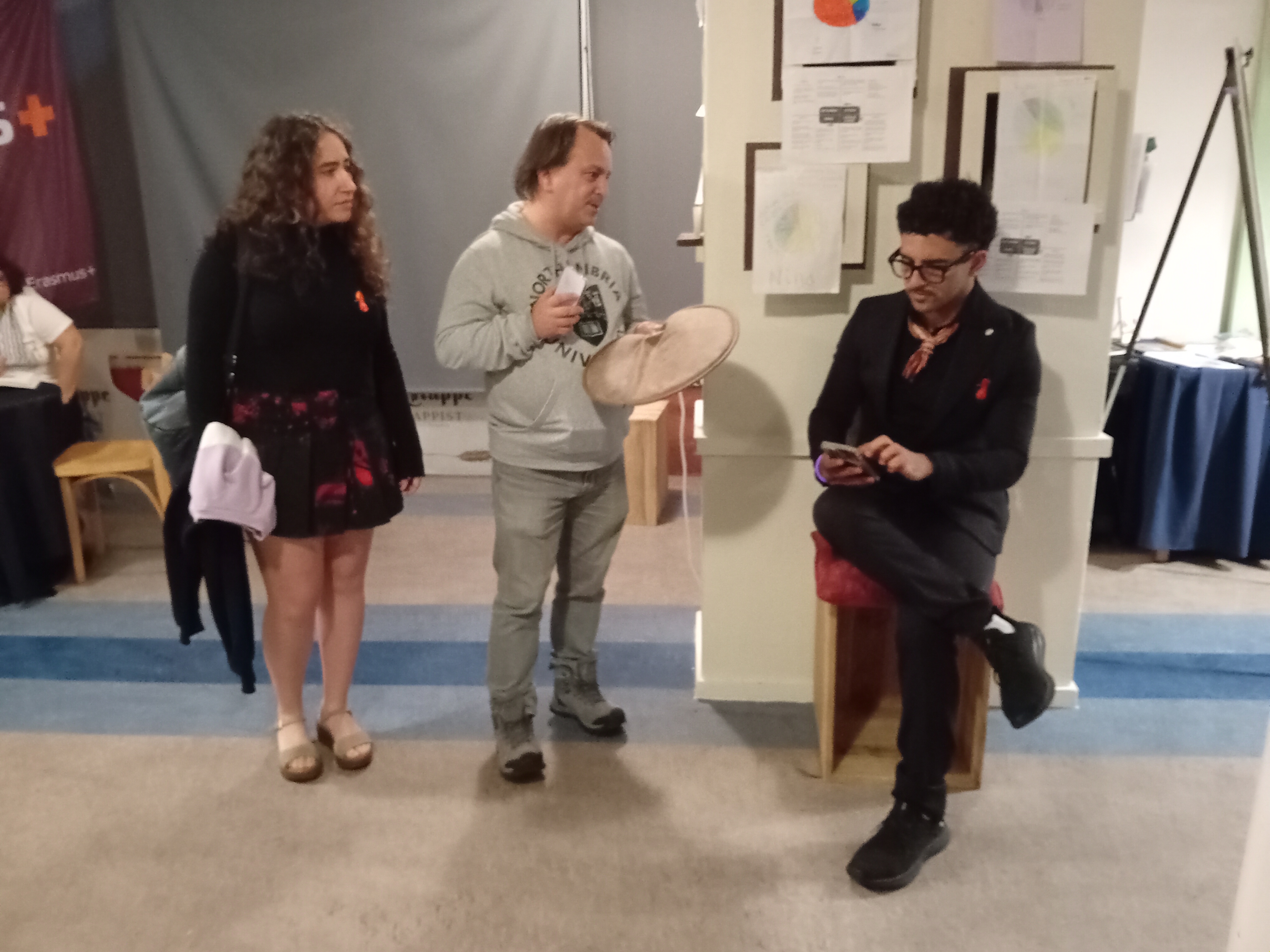
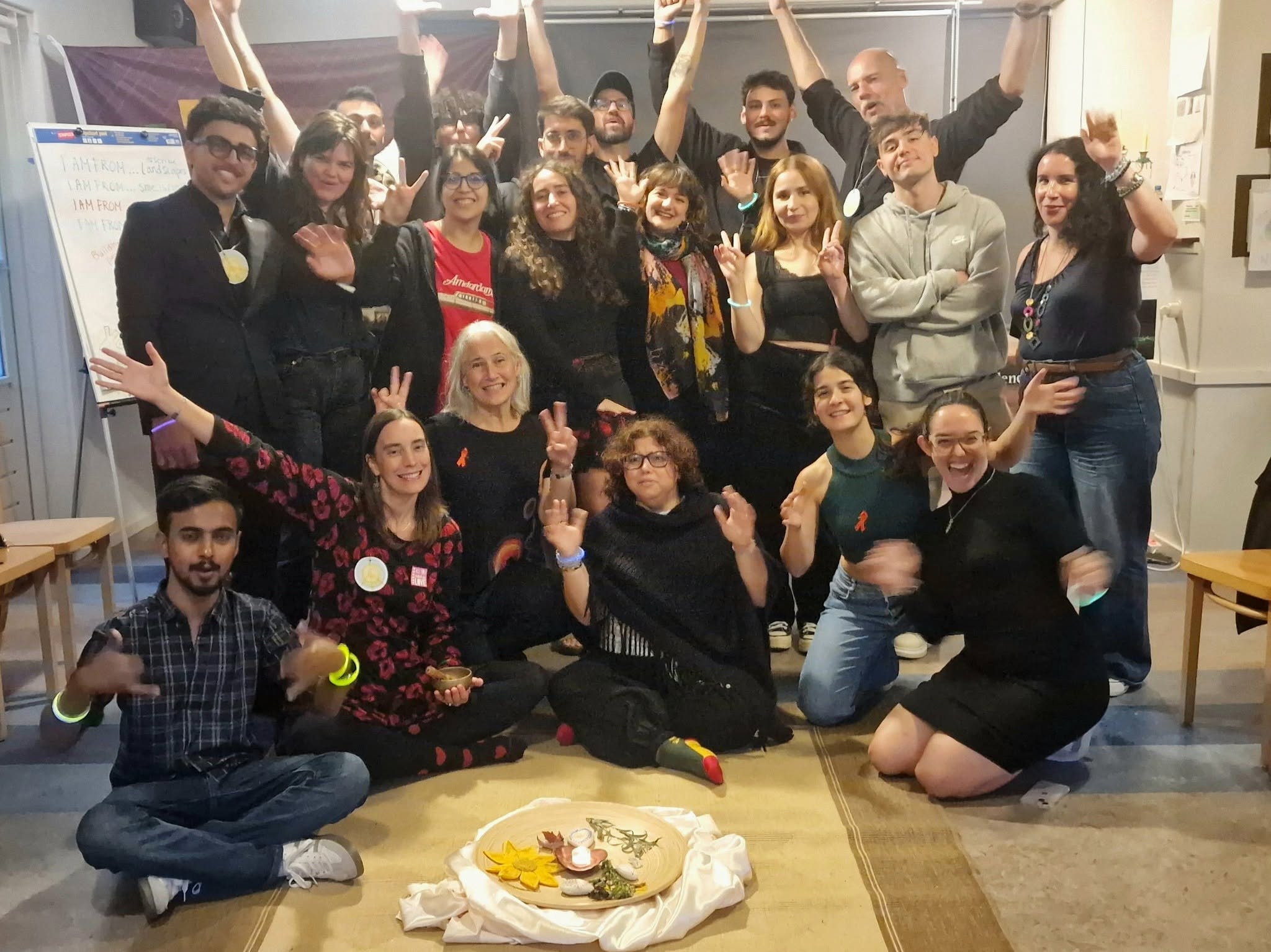
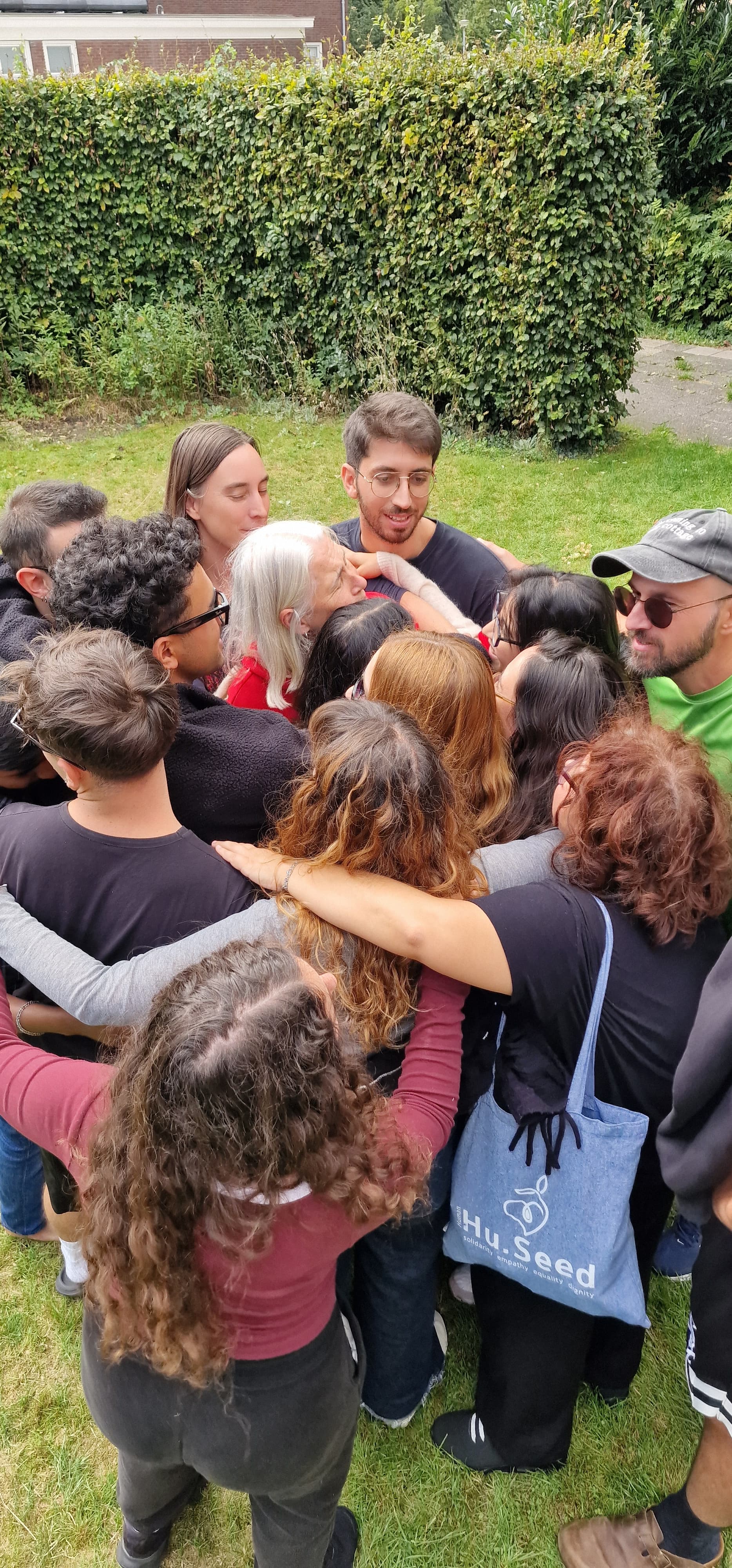
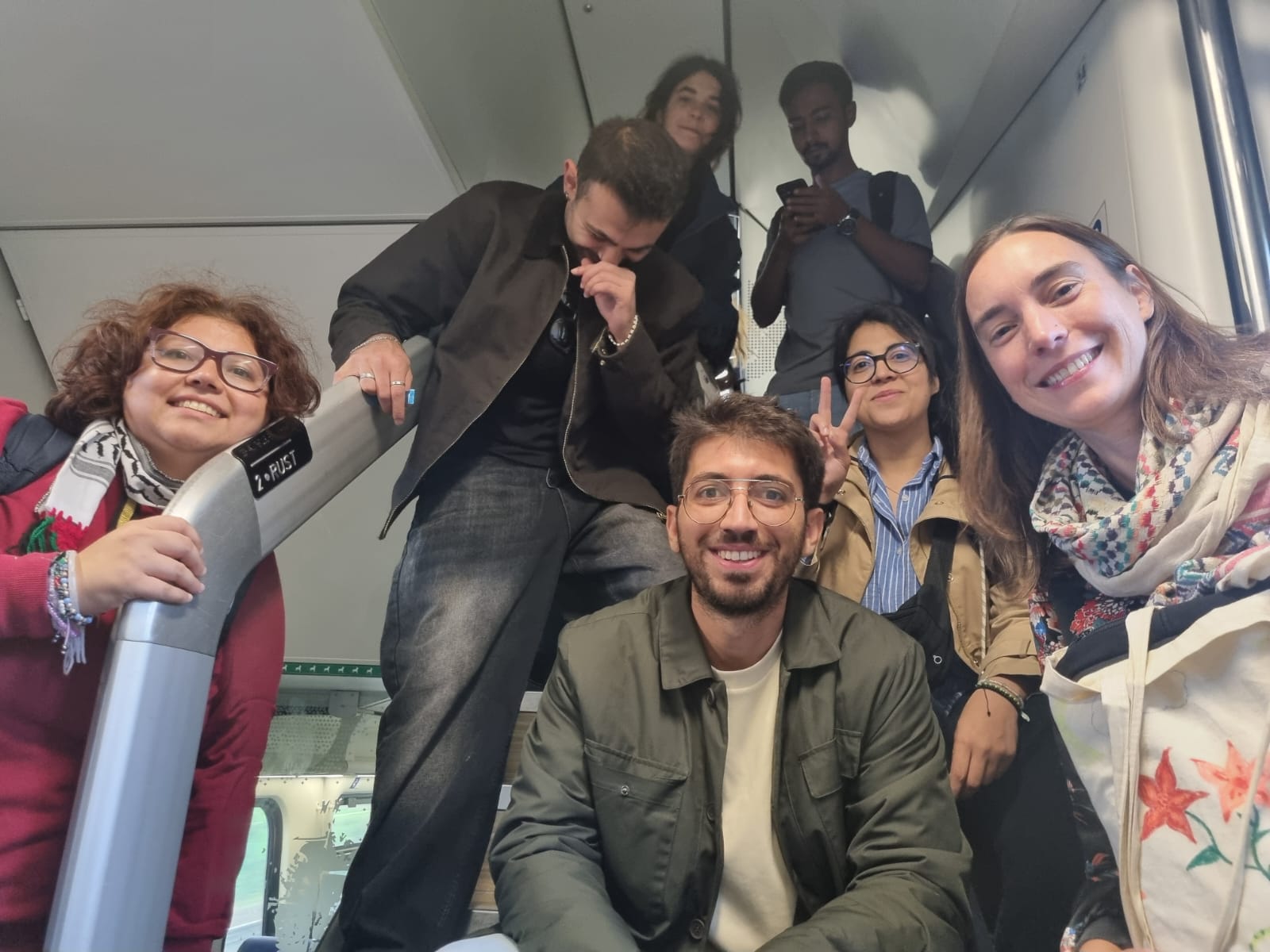
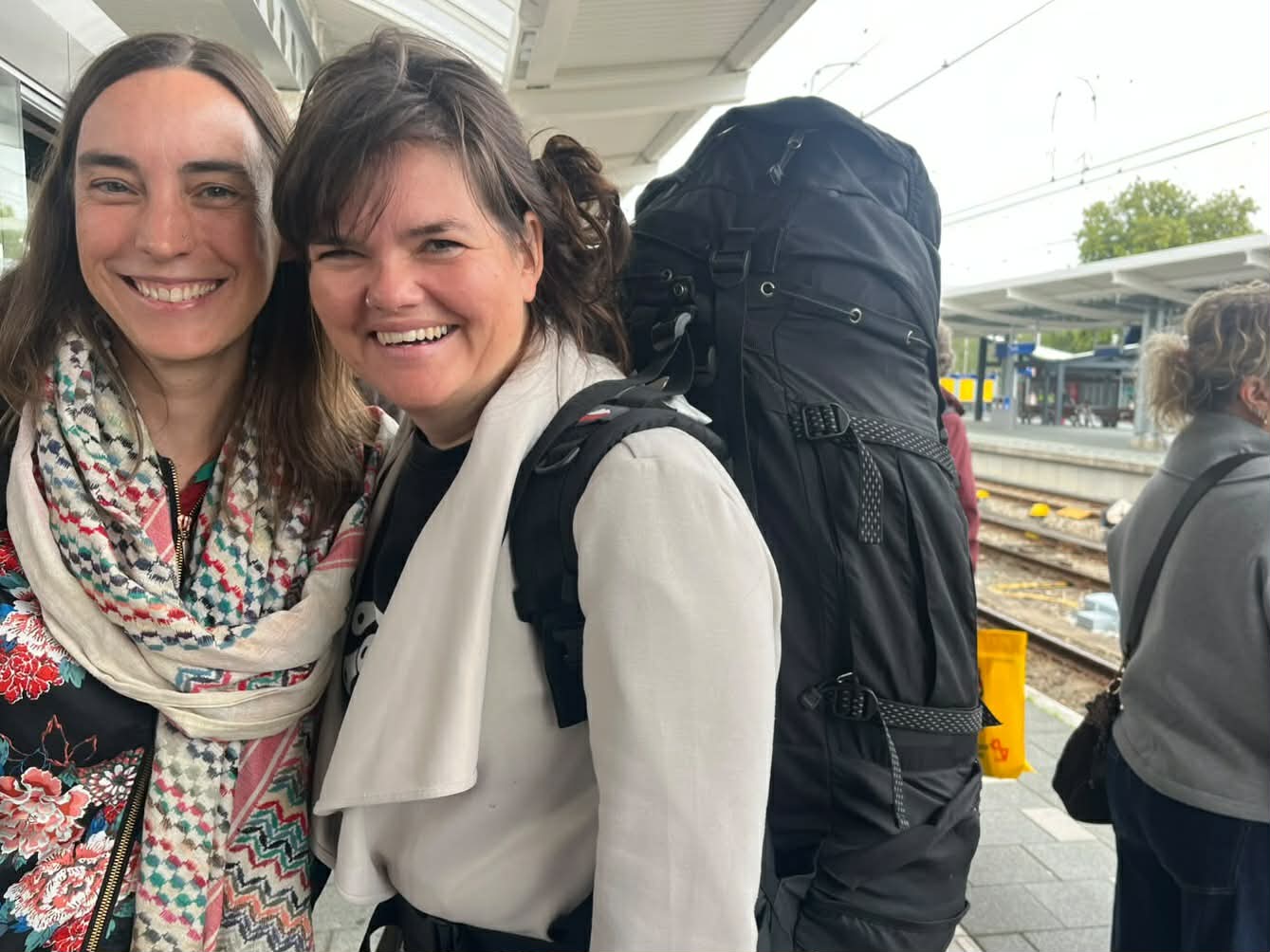
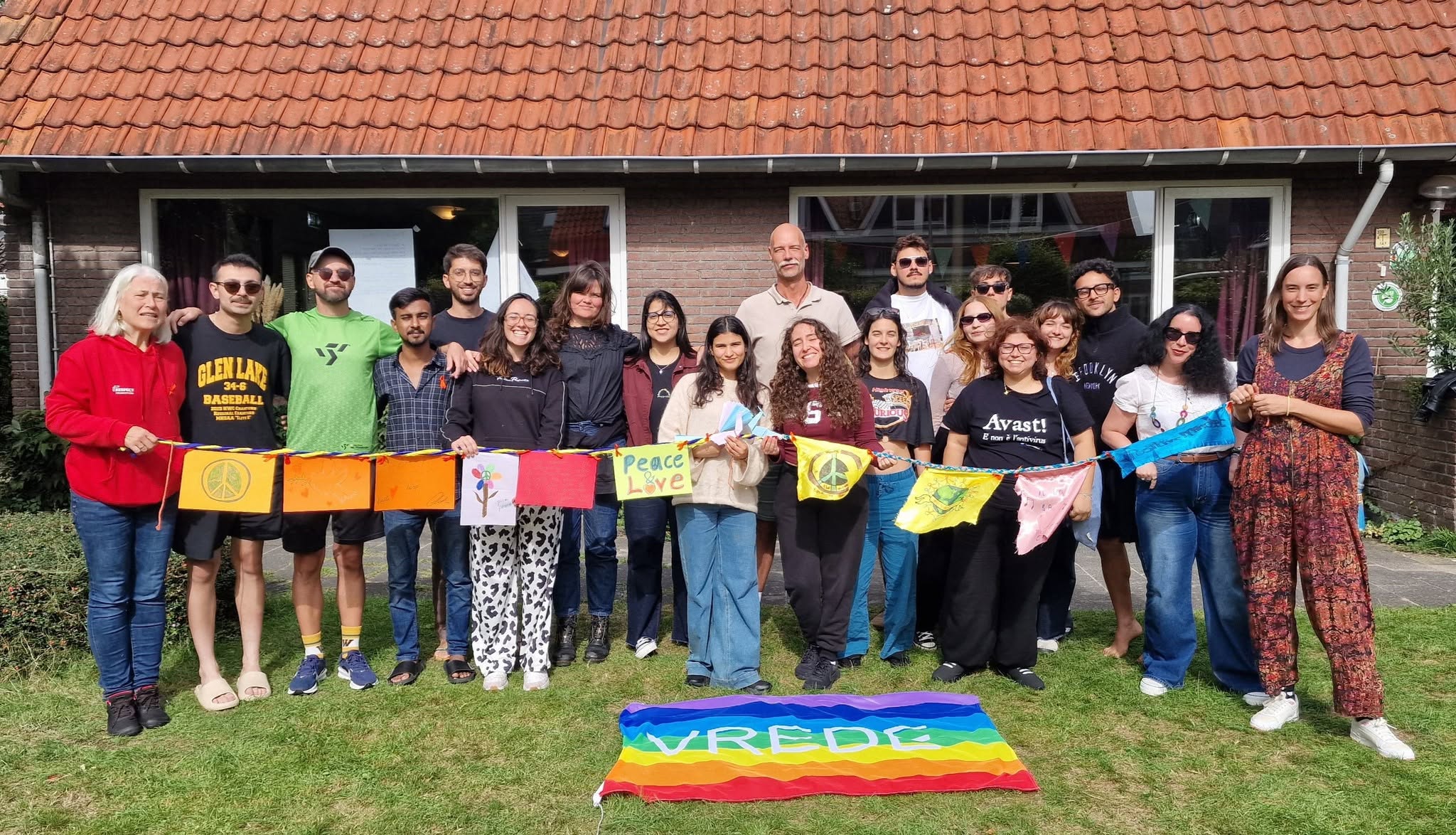
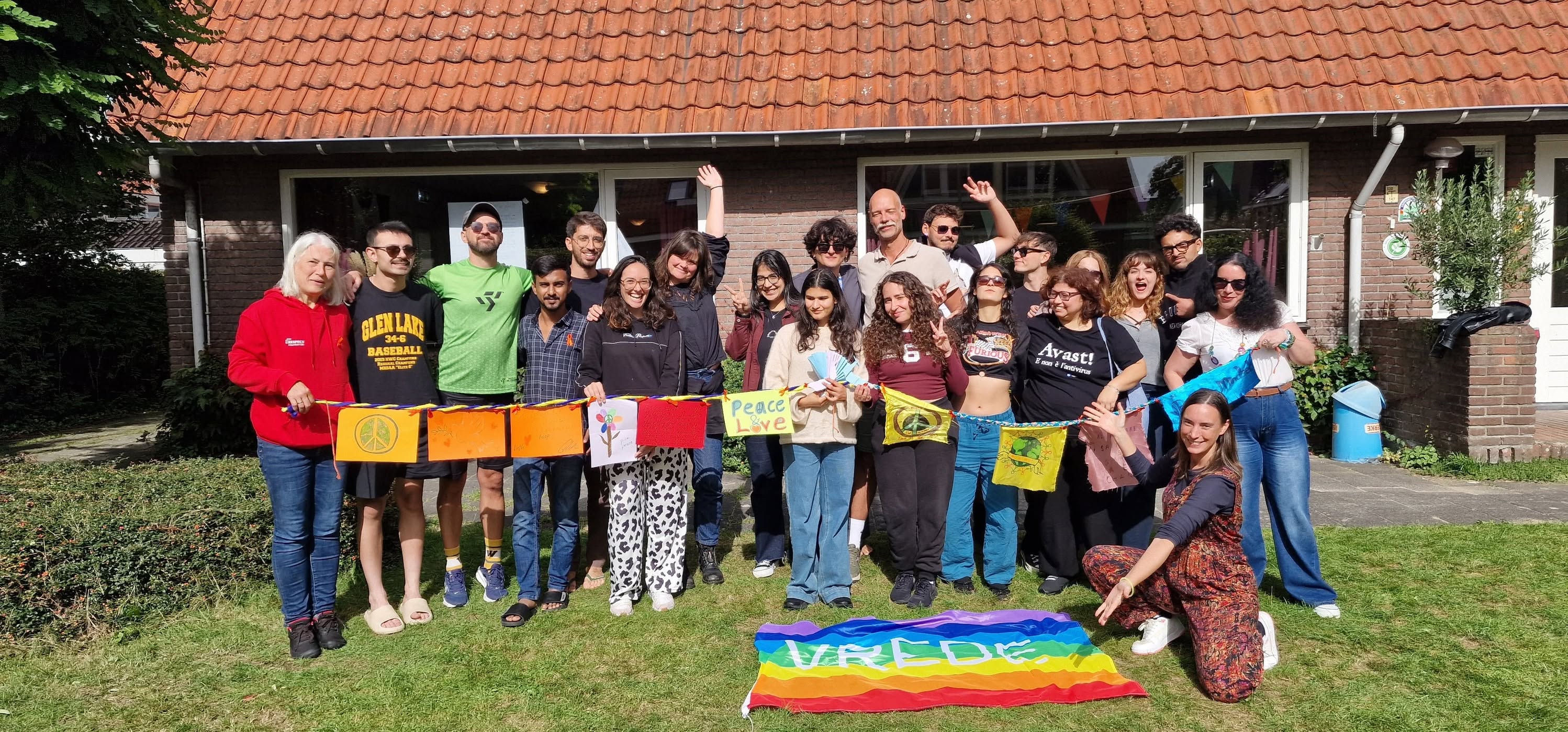
Youthworkers from Turkey, Italy, Spain and The Netherlands participated in this training that took place in The Netherlands. You can read more in the Info-pack below.
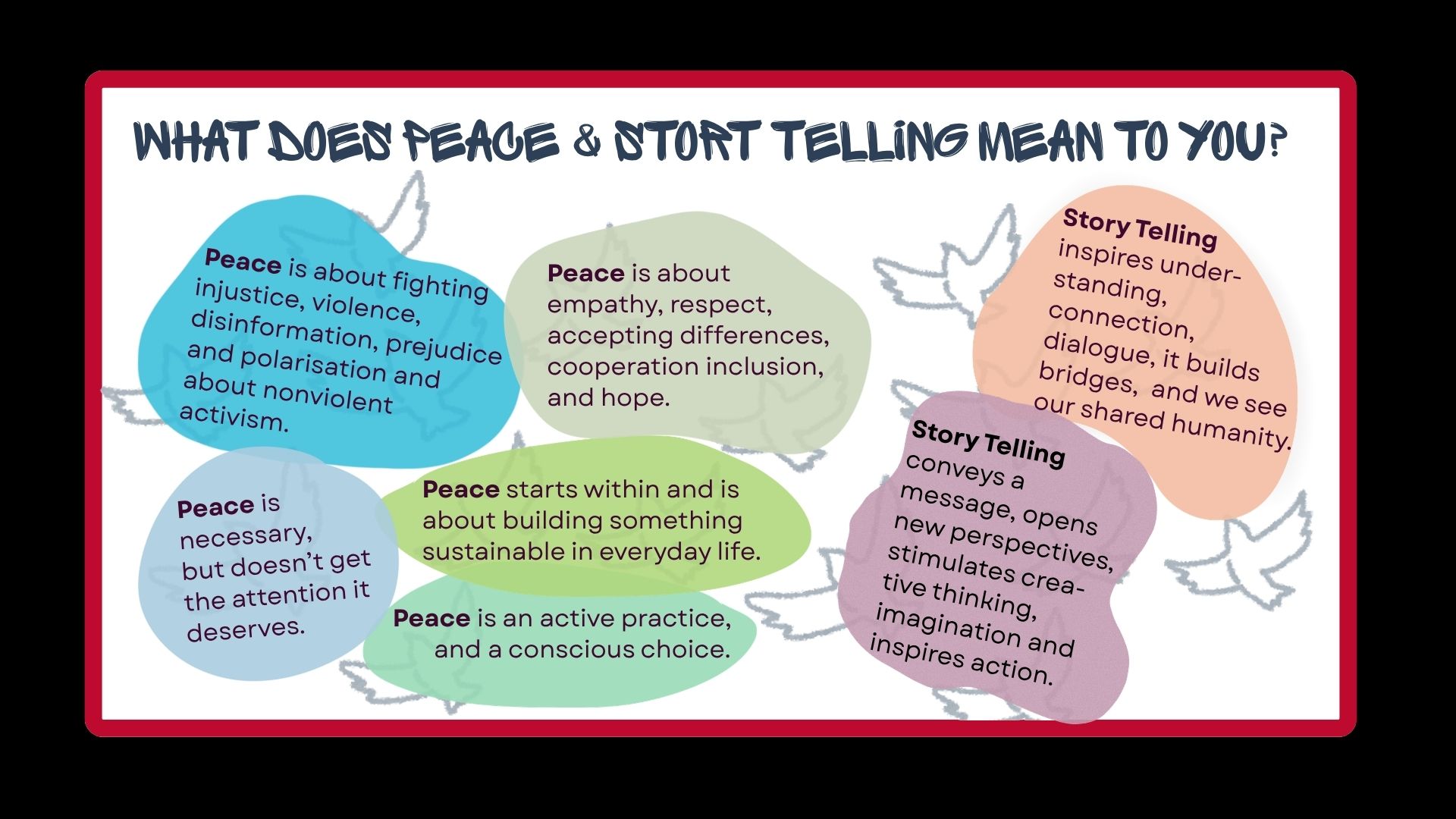
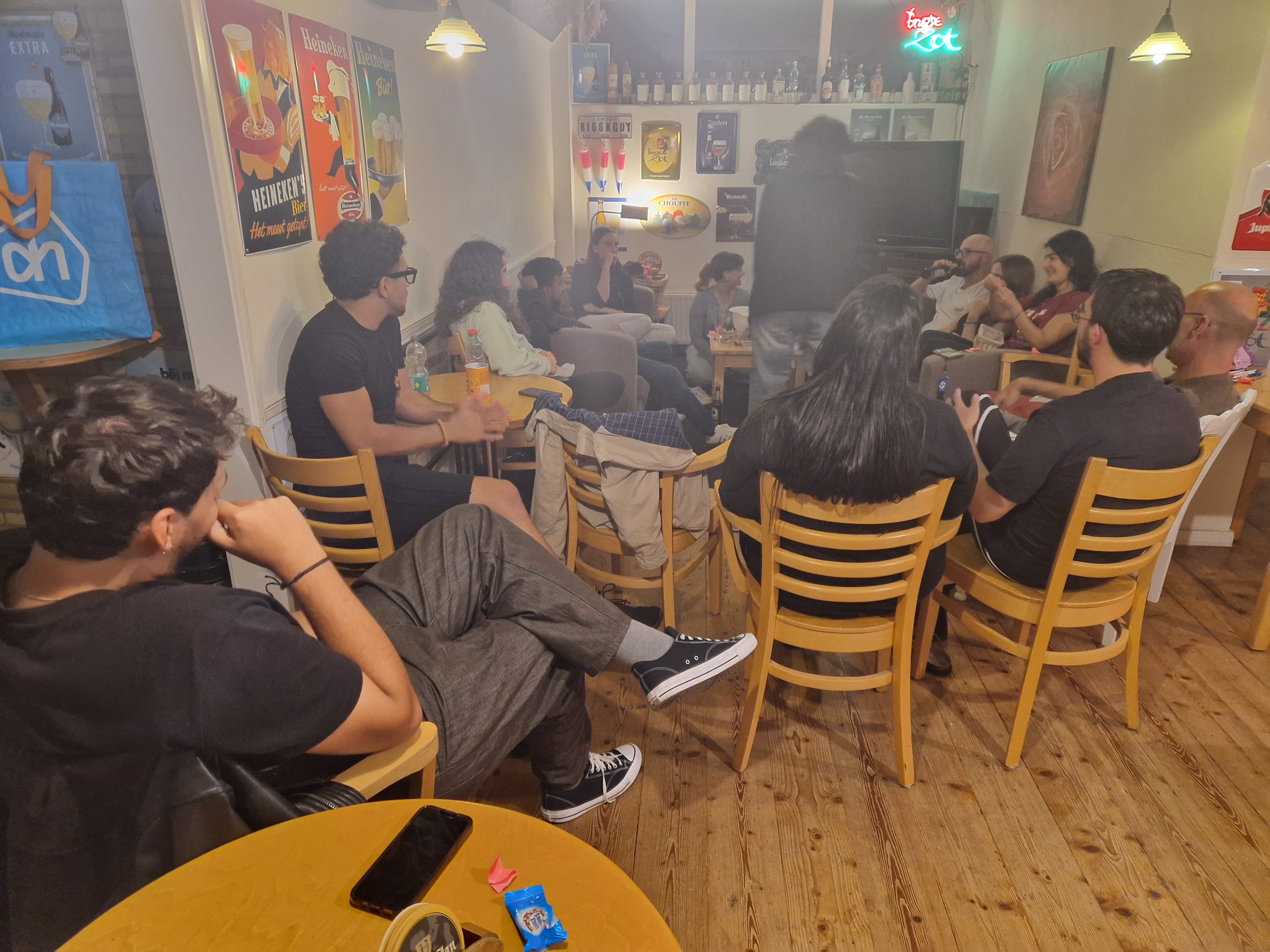
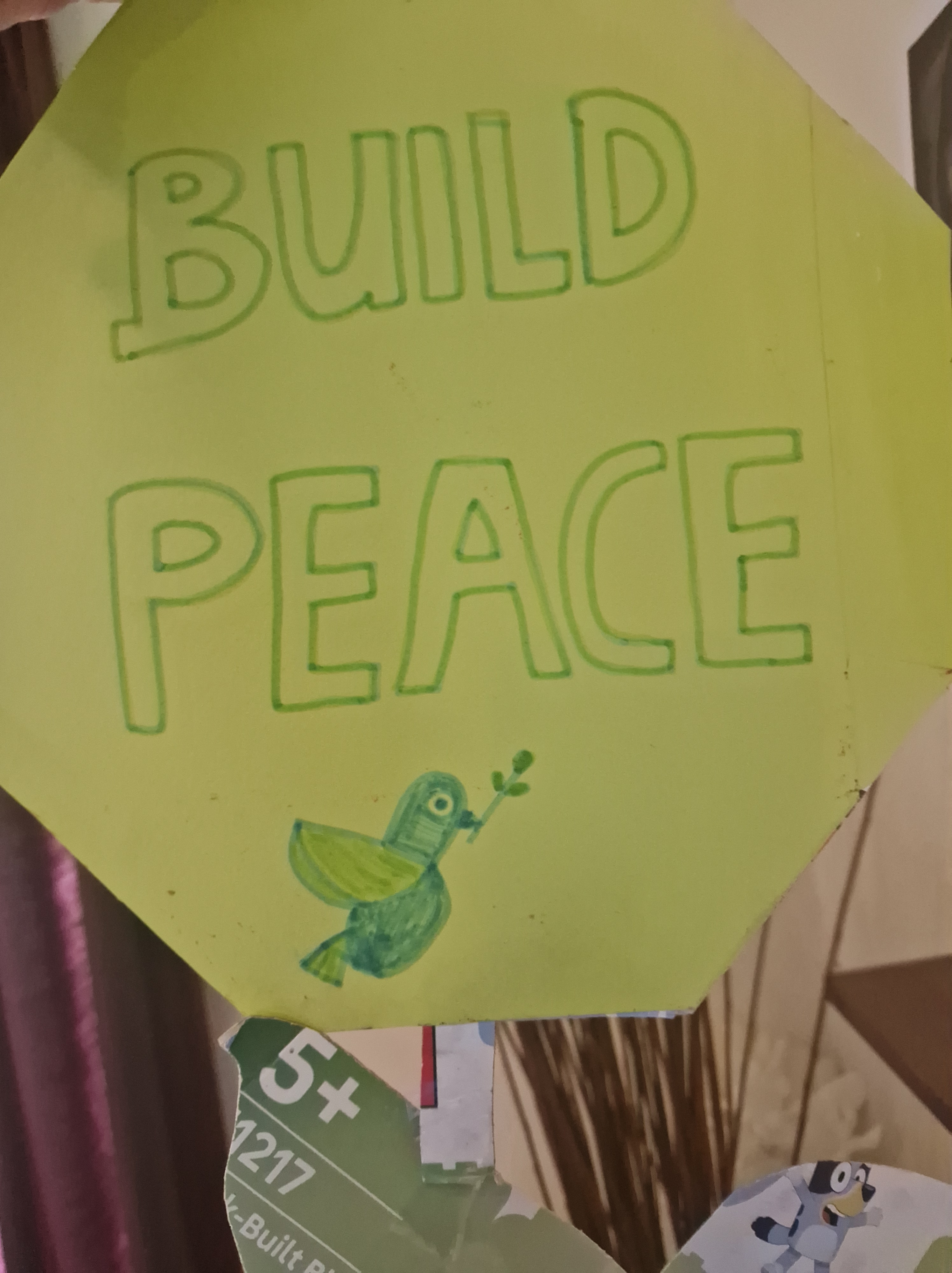
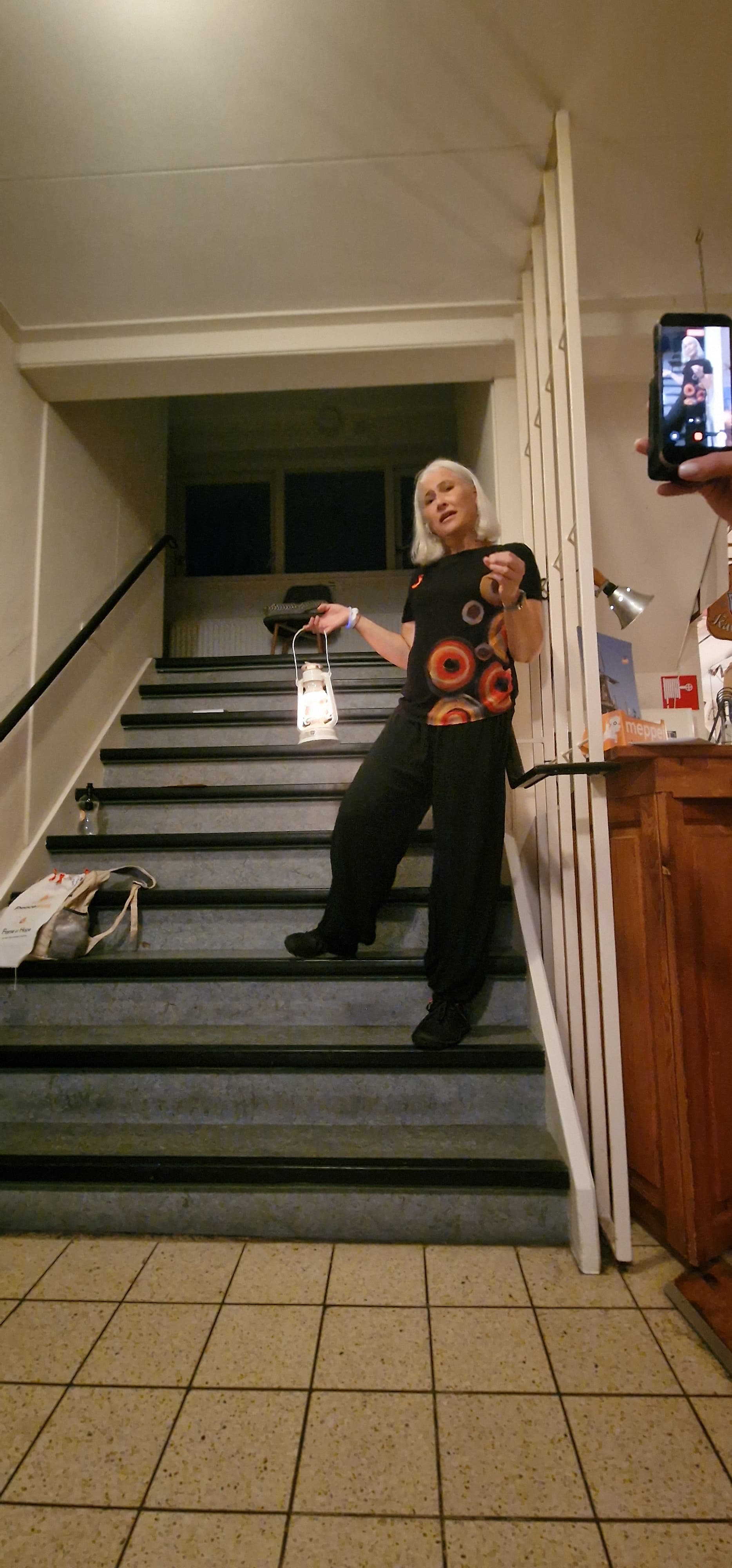
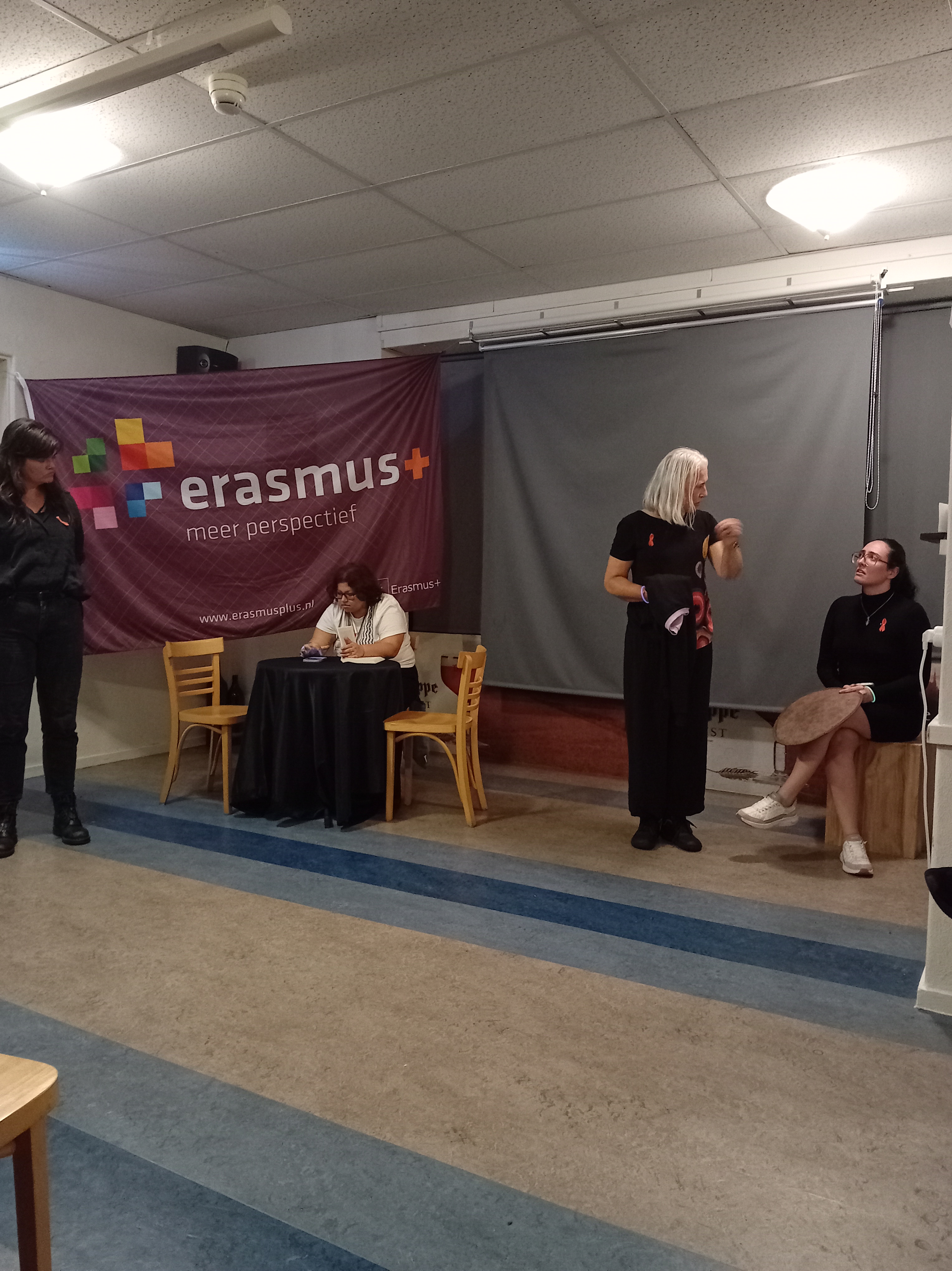
The image above is derived from the application form. On the 17th of September we organised a Peace Story Festival. At the festival five people told a story, four of them a personal one and one person shared an existing story from someone volunteering for Peace Brigades International. Moreover, there was a play called “The Domino Effect”, in which we used Theater of the Oppressed, to invite people from the audience to help solve the situation.
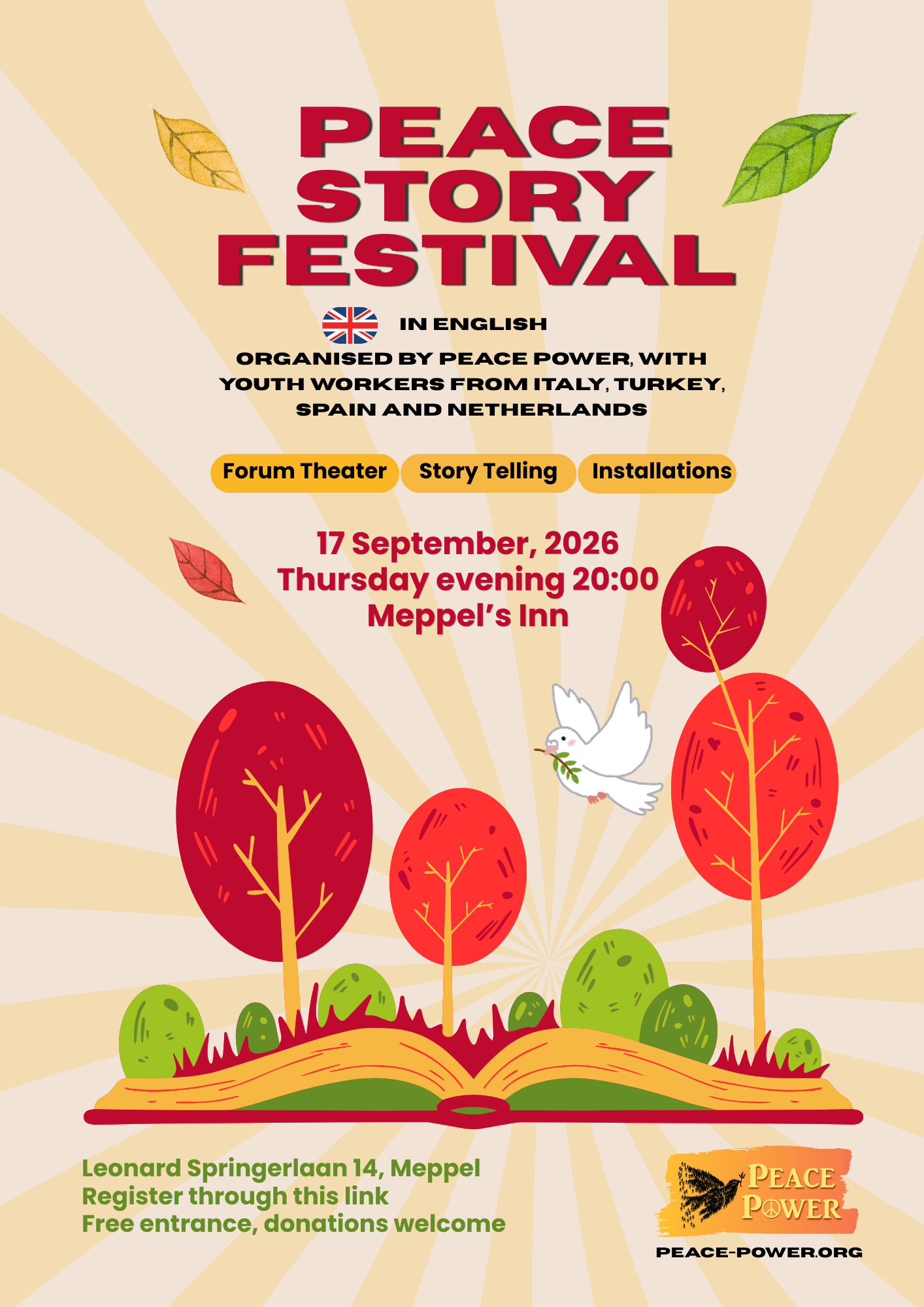
Below you find the “middle length” version of the five stories that we shared on the Festival. There is also a short taster and a longer version. Go to this link to see the whole playlist.
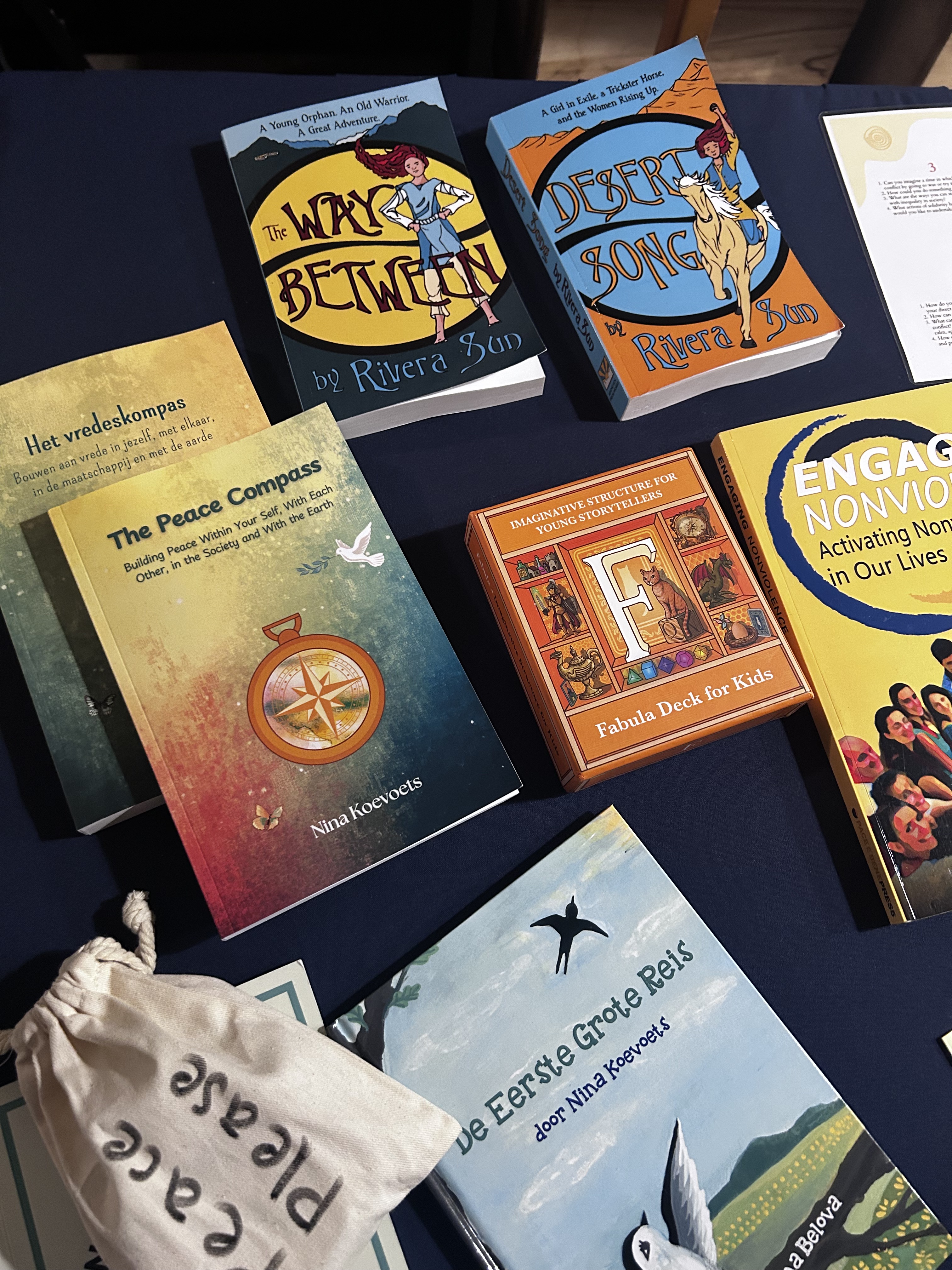
In this PDF document below you find the Real life stories that we used at the training., as well as articles that served as a background reading for the participants. And below that a poem that we made with five people, as well as a short story we made together.
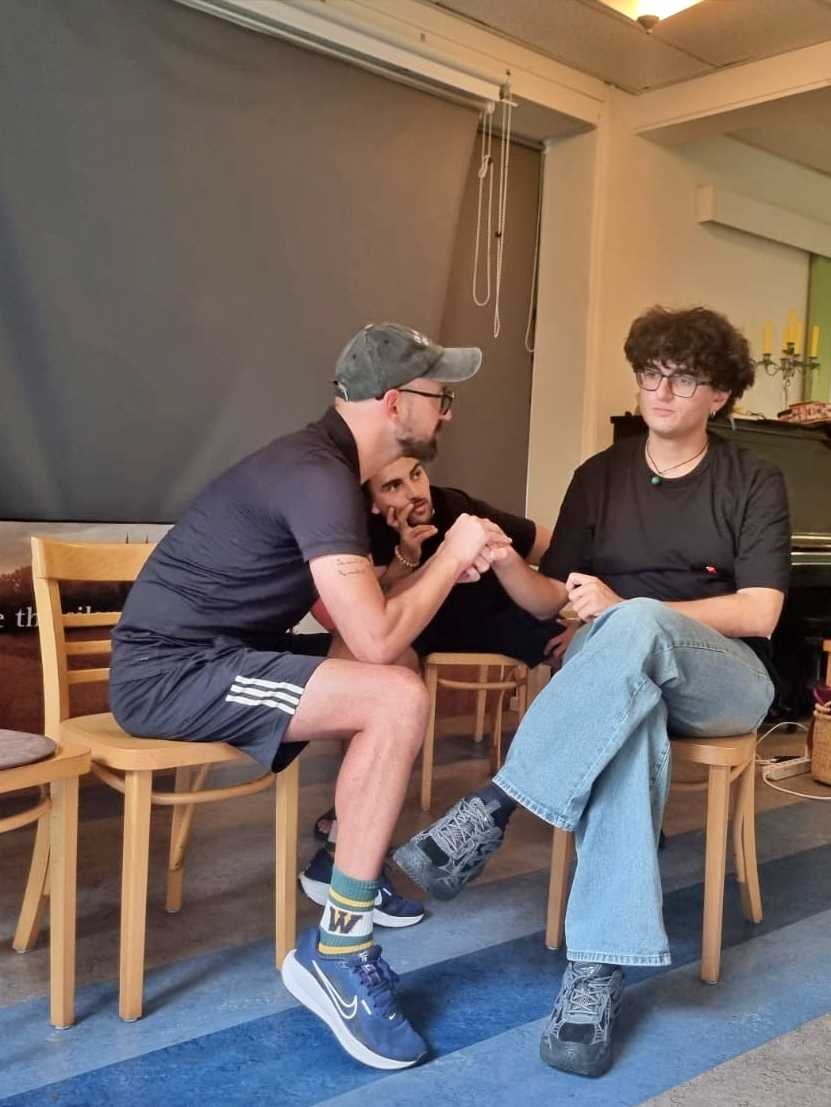
In addition to Stories, participants also worked with Forum Theater. You can see the video of one of the four scenes that were created and that was performed at our festival here.